
Woodworking tutorials using basic hand tools: unlock your creative potential
Woodworking tutorials using basic hand tools provide essential skills to create furniture, projects, and decor while emphasizing safety and tool maintenance for beginners.
If you’re looking to refine your skills, woodworking tutorials using basic hand tools can be incredibly rewarding. Whether you’re a novice or have some experience, these tutorials invite you to explore projects that boost your creativity and craftsmanship. Let’s dive into the world of woodworking!
Essential hand tools for woodworking beginners
Starting with woodworking can be exciting, especially when you have the right tools. Essential hand tools are key for beginners. They allow you to create projects without needing complicated machinery.
Common Hand Tools
1. Saw: A quality handsaw is necessary for cutting wood pieces. Whether it’s a panel saw or a coping saw, choose one that feels comfortable.
2. Chisel: Chisels are perfect for shaping and carving. A basic set with various sizes will give you versatility.
3. Hammer: A good hammer helps drive nails and assemble projects. A claw hammer is a popular choice for general use.
4. Measuring Tape: Accuracy is crucial in woodworking. A tape measure ensures precise dimensions, making it easier to plan your cuts.
5. Square: A framing or combination square helps ensure your cuts are straight and your angles are right.
Maintenance and Care
Taking care of your tools helps them last longer. Regularly clean your tools after use and keep them sharp. Invest in a good tool storage solution to avoid damage.
These essential hand tools provide a strong foundation for your woodworking journey. As you gain experience, you can explore more specialized tools.
Understanding wood types and their properties

Understanding different wood types is vital for any woodworking project. Each type of wood has unique properties that affect its workability, durability, and appearance.
Hardwoods vs. Softwoods
Wood is classified into two main categories: hardwoods and softwoods. Hardwoods come from deciduous trees, which lose their leaves annually. These woods, like oak and maple, are often denser and more durable. Softwoods come from coniferous trees, like pine and cedar, and are generally easier to work with.
Common Hardwood Types
Oak: Known for its strength and stunning grain patterns, oak is popular for furniture and cabinetry.
Maple: Maple is a dense wood that resists scratches. It is often used for kitchen items and high-end furniture.
Cherry: Cherry wood ages beautifully, darkening over time. It is ideal for fine furniture and cabinets.
Common Softwood Types
Pine: Pine is light, easy to work with, and widely available. It’s great for beginners and general projects.
Cedar: Cedar is known for its natural resistance to decay and insect damage, making it perfect for outdoor furniture.
Properties to Consider
When choosing wood, consider factors such as grain pattern, color, and density. These factors will influence the appearance and functionality of your project!
Moreover, understanding wood moisture content is crucial. Properly dried wood minimizes warping and splitting during use.
Basic techniques for effective woodworking
Mastering basic techniques is essential for effective woodworking. These skills lay the groundwork for more advanced projects. Here are some important techniques to learn:
Measuring and Marking
Accurate measuring is crucial. Use a tape measure to get precise lengths. Mark your cut lines with a pencil for easy visibility. A square can help ensure your lines are straight and true.
Cutting Techniques
Understanding how to cut properly will improve your efficiency. When using a handsaw, hold it at a 45-degree angle and follow your marked lines. Make smooth, steady strokes for better control.
Drilling and Boring
To create holes, use a hand drill or brace and bit. Make sure to hold the drill straight to avoid angled holes. For bigger holes, consider using a hole saw or spade bit.
Joining Techniques
Joining pieces together is a key part of woodworking. Common techniques include using wood glue, screws, or nails. For stronger joints, consider learning to use dovetails or mortise and tenon joints.
Sanding for Finish
Sanding smooths surfaces and prepares wood for finishing. Start with a coarse grit sandpaper and gradually move to finer grits. This helps achieve a professional look and feel.
Safe Practices
Always follow safety precautions. Wear safety goggles and a dust mask when working with tools. Keep your workspace organized to avoid accidents.
Creating simple woodworking projects

Creating simple woodworking projects is a fantastic way for beginners to practice skills and gain confidence. Here are some popular project ideas that are both fun and educational.
Birdhouse
A birdhouse is a great starter project. It requires measuring, cutting, and assembling. Use untreated wood for the birds’ safety. Paint it in bright colors to make it visually appealing.
Wooden Coasters
Making wooden coasters is another simple project. Cut wood into squares or circles, then sand them smooth. You can also personalize them by adding a wood finish or painting designs.
Picture Frame
A basic picture frame is an ideal way to explore joining techniques. Cut four pieces of wood to size, then use wood glue or screws to assemble. Paint or stain it to match your decor.
Storage Box
Crafting a small storage box helps with practicing box joints or dovetail joints. Ensure it has a lid to keep items secure. This project can be customized in size based on your needs.
Simple Bench
A small bench can be made with just a few planks. It’s a sturdy project that showcases your woodworking skills. Sand the edges for comfort and then paint or stain it for protection.
Practice and Patience
When starting these projects, remember that practice makes perfect. Don’t be afraid to make mistakes; they are part of the learning process. Enjoy the journey of creating!
Safety tips for using hand tools
Using hand tools safely is essential in woodworking. Following proper safety tips can prevent accidents and injuries. Here are some important guidelines:
Wear Protective Gear
Always wear safety goggles to protect your eyes from wood chips and debris. A dust mask can also help avoid inhaling dust while working.
Keep Your Workspace Organized
A tidy workspace reduces the risk of accidents. Clear away any clutter and ensure that tools are stored properly. This helps you find tools quickly and minimizes tripping hazards.
Inspect Tools Before Use
Check your hand tools for any damage or wear. Make sure that blades are sharp and handles are secure. Using damaged tools can lead to accidents.
Maintain a Firm Grip
Always have a strong grip on your tools while using them. Keep your hands dry to prevent slipping. If a tool feels uncomfortable, stop and adjust.
Follow Proper Techniques
Learn the correct techniques for using each tool. Whether sawing, drilling, or chiseling, correct posture and technique help you work safely and effectively.
Be Aware of Your Surroundings
Always remain alert while working. Pay attention to others nearby and ensure they are aware of your activities. This can help prevent unexpected accidents.
Store Tools Safely
When not in use, store tools in a safe place. Special boxes, cabinets, or hooks can help keep them secure and out of reach of children.
How to maintain and care for your tools
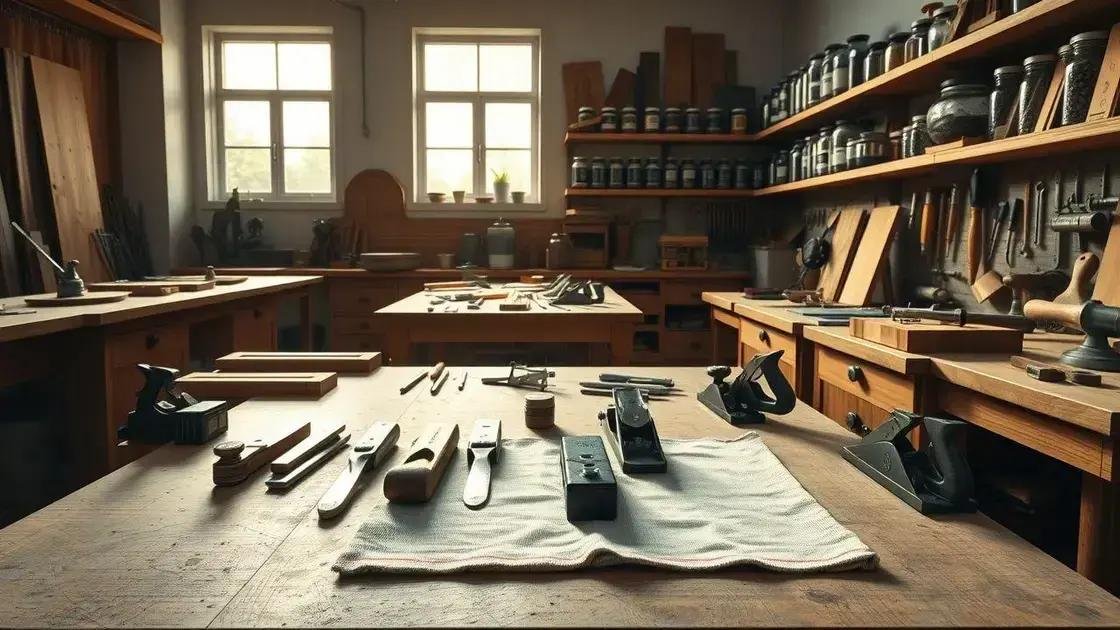
Taking care of your tools ensures they last longer and perform better. Here are important steps for maintaining and caring for your woodworking tools:
Regular Cleaning
After each use, clean your tools to remove dust, shavings, and sap. Use a soft brush or cloth to wipe them down. For more stubborn residues, a damp cloth can help.
Proper Storage
Store your tools in a dry place. Consider using a tool chest or wall-mounted racks. Ensure that each tool has its designated spot to prevent damage.
Sharpening Blades
Keep cutting edges sharp for efficient work. Use a sharpening stone or file for chisels and saw blades. Regularly check for nicks or dullness and sharpen them as needed.
Inspect for Damage
Before and after each use, inspect your tools for defects. Check handles for cracks and blades for chips. Repair or replace damaged tools to ensure safety.
Lubrication
For moving parts, apply lubricants regularly to keep them functioning smoothly. Use appropriate oils for gears and hinges. This prevents rust and ensures longevity.
Rust Prevention
To avoid rust, apply a thin coat of protective oil on metal surfaces. Store tools in a controlled environment with low humidity. Consider using silica gel packets in toolboxes to absorb moisture.
Upcycling wood: creative projects to try
Upcycling wood is a fantastic way to create something new while being environmentally friendly. It encourages creativity and resourcefulness. Here are some creative projects you can try:
Wooden Pallet Projects
Old wooden pallets can be transformed into furniture or decorative items. Create a pallet coffee table or garden bench. Simply sand the pallets, add legs, and finish with paint or stain.
Wine Rack
An old wooden crate can be upcycled into a stylish wine rack. Cut the crate to size and paint it to match your décor. This practical project showcases both style and functionality.
Planters
Wood scraps can be made into beautiful planters. Use larger pieces to create raised garden beds or small boxes for herbs. Make sure to drill holes for drainage.
Picture Frames
Transform leftover wood into rustic picture frames. Cut wood pieces to size and assemble them using glue. You can personalize by painting or staining the wood.
Decorative Wall Art
Use scrap wood to create unique wall art. Cut different shapes and sizes, then arrange them on a canvas or directly on the wall. Paint or leave them natural for a rustic look.
Furniture Refurbishing
Older furniture pieces can also be upcycled. Sand down old chairs or tables to remove finishes, then repaint or lacquer them for a fresh new look.
These upcycling projects not only save materials but also add charm to your home. Get creative and start transforming your old wood into something special!
Resources for further learning in woodworking

Expanding your knowledge in woodworking is essential for developing your skills. Here are some valuable resources for further learning in woodworking:
Books
Books offer in-depth knowledge and inspiration. Look for titles that cover various aspects of woodworking, including techniques, joinery, and project ideas. Popular choices include:
- The Complete Manual of Woodworking by Albert Jackson
- Woodworking for Dummies by Jeff Strong
Online Courses
Enroll in online courses to learn at your own pace. Websites like Udemy and Skillshare offer classes on specific woodworking techniques, tool usage, and project creation.
YouTube Channels
YouTube is an excellent resource for visual learners. Channels like Woodworking for Mere Mortals and The Wood Whisperer provide tutorials, tips, and project ideas that fit various skill levels.
Forums and Community Groups
Join online forums and woodworking communities, such as Woodworking Stack Exchange and Facebook groups. These platforms allow you to ask questions, share projects, and connect with fellow woodworking enthusiasts.
Workshops and Local Classes
Check for local woodworking classes or workshops at community centers or woodcraft stores. Hands-on learning in a group setting can enhance your skills and provide valuable networking opportunities.
Magazines and Blogs
Subscribe to woodworking magazines or follow blogs dedicated to the craft. Publications like Wood Magazine and Fine Woodworking offer expert tips, new techniques, and project ideas.
In summary, woodworking is a rewarding journey
Learning about woodworking tools, techniques, and projects can be enjoyable and productive. Whether you are starting with basic hand tools or exploring advanced projects, the more you learn, the better you will get.
By understanding wood types, practicing safe techniques, and keeping your tools in good condition, you can create beautiful items that showcase your skills.
Don’t forget to explore additional resources to expand your knowledge and connect with others who share your passion. Woodworking can be a fulfilling hobby or even a path to a new career. Enjoy the process, stay patient, and let your creativity shine!
FAQ – Frequently Asked Questions about Woodworking
What are the essential tools for beginner woodworking?
Essential tools include a handsaw, chisel, hammer, measuring tape, and square. These basic tools help start most woodworking projects.
How can I ensure my safety while using hand tools?
Wear safety goggles and a dust mask, keep your workspace organized, and regularly inspect your tools for damage to ensure safety.
What types of wood are best for beginners?
Softwoods like pine are great for beginners due to their ease of workability. Hardwoods like oak are more challenging but can be incredibly rewarding.
What are some simple woodworking projects for beginners?
Beginner-friendly projects include making a birdhouse, wooden coasters, and simple furniture like a stool or shelf.
How do I maintain and care for my woodworking tools?
Regularly clean tools, store them in a dry place, sharpen blades, and inspect for damage to prolong their lifespan.
Where can I find resources to learn more about woodworking?
You can find books, online courses, YouTube tutorials, and local workshops to expand your woodworking knowledge and skills.