Woodworking projects for men to build at home: unleash your creativity
Woodworking projects for men to build at home provide an excellent way to express creativity, enhance skills, and create functional items, with resources available online for support and shared experiences.
Woodworking projects for men to build at home offer an excellent opportunity to express creativity while crafting functional pieces. Have you thought about how rewarding it is to create something with your own hands? Let’s dive into some inspiring ideas!
Best woodworking tools for beginners
Choosing the right tools is essential for any beginner in woodworking. Having the best woodworking tools can make your projects easier and more enjoyable.
Essential Hand Tools
Start with basic hand tools that are fundamental for any woodworking project. A hand saw is crucial for making precise cuts, while a chisel set will allow you to carve and shape wood. A claw hammer is also a must for driving nails or removing them.
Power Tools for Efficiency
Once you’re comfortable with hand tools, consider adding a few power tools to speed up your work. A power drill is versatile for drilling holes and driving screws, making it an excellent first power tool. A jigsaw is another great option for making curved or intricate cuts.
Measuring and Marking Tools
Accurate measurements are critical in woodworking. Invest in a reliable tape measure and a square to ensure your cuts are straight and measurements precise. A marking gauge will help you mark lines on your workpiece accurately.
Safety Equipment
Safety should always come first. Always wear safety glasses to protect your eyes from sawdust and debris. Wearing a dust mask is also essential, especially when sanding or cutting wood.
Workbenches and Accessories
A sturdy workbench is a valuable asset for any woodworker. It provides a stable surface to work on. Additionally, clamps will help hold your project pieces securely while you work, ensuring accuracy and safety.
How to choose the right project for your skill level

Selecting the right woodworking project is key to enjoying your crafting experience. Start by assessing your current skill level and consider projects that match it.
Beginner Projects
If you are just starting out, opt for simple projects. Items like a birdhouse or a picture frame are easy to make and require minimal tools. These projects will help you learn basic techniques without feeling overwhelmed.
Intermediate Projects
Once you feel more confident, you can tackle intermediate projects. Consider making a small bookshelf or a coffee table. These require more skills and tools but will still be manageable. Look for tutorials that guide you through each step.
Advanced Projects
If you have considerable experience, challenge yourself with advanced projects such as a wooden bench or storage chest. These projects require precise measurements and joinery skills, allowing you to showcase your woodworking abilities.
Identifying Your Interests
Think about what you enjoy making. If you prefer furniture, focus on projects in that area. If you love decorative items, explore projects like wooden sculptures or ornamental boxes. Knowing your interests will guide your project choices.
Learning Through Mistakes
Don’t be afraid to make mistakes. Every woodworker, regardless of skill level, faces challenges. Use these experiences as learning opportunities. Examine what went wrong and how you can improve in future projects.
Top 5 woodworking projects for men
Woodworking offers a variety of options that cater to different skill levels and interests. Here are the top 5 woodworking projects for men that you can build at home.
1. Simple Bookshelf
A simple bookshelf is a practical project that can enhance any living space. It provides a great opportunity to practice measuring and cutting. Plus, it offers storage for books and decorative items.
2. Outdoor Picnic Table
Constructing an outdoor picnic table is perfect for gatherings and family activities. This project involves more significant planning and woodworking skills, but the results are worth it. It’s a sturdy piece that can bring joy for years.
3. Storage Bench
A storage bench serves two purposes: it provides seating and offers hidden storage. This project is interesting because you can customize it according to your space and style, making it functional and attractive.
4. Wooden Planter Box
If you enjoy gardening, a wooden planter box can help you beautify your garden or balcony. It’s a straightforward project that allows you to practice your skills while creating a cozy green space. You can also personalize it with unique designs.
5. Coffee Table
A handmade coffee table is ideal for both style and functionality in your living area. You can choose different shapes and finishes to make it a centerpiece that showcases your woodworking talents. Plus, it’s a great project to work on if you’re ready for a challenge.
Safety tips for woodworking at home

Safety in woodworking is crucial to ensure a positive and accident-free experience. Here are some important safety tips for woodworking at home.
Wear Proper Protective Gear
Always wear safety glasses to protect your eyes from flying debris. A dust mask is essential to avoid inhaling fine wood particles, while ear protection is important when using loud power tools.
Keep Your Workspace Clean
A tidy workspace minimizes hazards. Keep your area free of clutter and sawdust. Regularly remove scraps and tools from your work surface to prevent accidents.
Use Tools Correctly
Familiarize yourself with each tool’s operation before using it. Always read the user manual and follow safety instructions. Keep your tools well-maintained for optimal performance.
Secure Your Workpiece
Before cutting, make sure to secure your workpiece with clamps or a vise. This prevents shifting during cuts, ensuring accuracy and safety.
Work with Adequate Lighting
Ensure that your workspace is well-lit. Proper illumination helps prevent accidents by allowing you to see your work and tools clearly.
Be Mindful of Your Body Position
Always maintain a stable stance when using power tools. Keep your hands away from moving parts and never reach over a cut. This reduces the risk of injury.
Have a First Aid Kit Ready
Always keep a well-stocked first aid kit nearby. Knives and saws can lead to injuries. Being prepared can help you treat minor injuries quickly.
Sourcing quality wood materials
Sourcing quality wood materials is essential for any woodworking project. The type of wood you choose can affect the durability, appearance, and overall success of your project.
Know the Different Types of Wood
Understand the various types of wood available. Hardwoods, like oak and maple, are durable and great for furniture. Softwoods, such as pine and cedar, are easier to work with and often used for projects like shelves or frames.
Consider Local Lumber Yards
Visit local lumber yards instead of big box stores. They often carry a wider selection of high-quality wood and can provide advice on the best materials for your needs.
Check for Sustainability
Look for wood that is sourced sustainably. Check for certifications like FSC (Forest Stewardship Council) which ensures that the wood comes from responsibly managed forests.
Inspect the Wood Quality
When selecting wood, inspect for any defects. Look for knots, cracks, or warping. The wood should be straight and free of any severe blemishes.
Buy in Bulk for Better Pricing
If you have multiple projects planned, consider buying in bulk. Many suppliers offer discounts for larger quantities, which can save you money in the long run.
Online Suppliers
Don’t overlook online suppliers. Many reputable companies sell quality hardwoods and softwoods online. Check reviews and ratings to ensure reliability before ordering.
Finishing techniques for a professional look
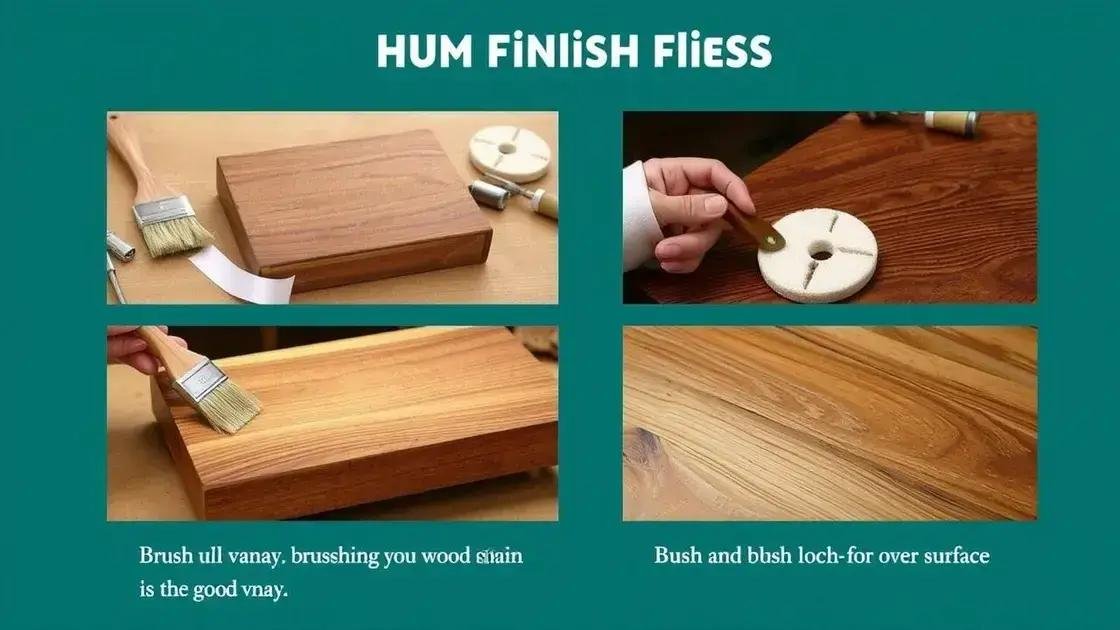
Finishing techniques are crucial for achieving a professional look in your woodworking projects. Proper finishing enhances the beauty of the wood and protects it from damage.
Understanding Different Finishes
There are various types of finishes you can use. Varnish provides a durable finish that is ideal for high-traffic items. Stains add color while allowing the wood grain to show through, enhancing the wood’s natural beauty.
Prepping the Wood
Before applying any finish, ensure the wood surface is clean and smooth. Sand the wood thoroughly, starting with a coarser grit and moving to finer grits. This process helps the finish adhere better and results in a smoother appearance.
Applying the Finish
Use a high-quality brush or a cloth to apply the finish evenly. When using sprays or aerosols, maintain a consistent distance from the surface to achieve an even coat. Apply multiple thin layers rather than a single thick layer to avoid drips and runs.
Drying and Curing
Allow sufficient time for the finish to dry between coats. Follow the manufacturer’s instructions for drying times. Curing can take longer, especially with oil-based finishes, and is crucial for achieving the best results.
Final Touches
Once the finish has cured, consider buffing the surface with a soft cloth for an added sheen. For extra protection, a coat of wax can be applied for a subtle shine while also enhancing the wood’s moisture resistance.
Tips for organizing your workspace
Organizing your workspace is essential for efficiency and safety in woodworking. A clutter-free area allows for better focus and reduces the risk of accidents.
Clear the Clutter
Start by removing unnecessary items from your workspace. Keep only the tools and materials you need for your current project. This helps create a less distracting environment.
Utilize Storage Solutions
Invest in good storage solutions like toolboxes, shelves, and cabinets. Label boxes and shelves to easily find tools and materials when you need them. Consider using clear bins for visibility.
Work Surface Setup
Keep your main work surface as clear as possible. Arrange your tools in an organized manner within arm’s reach. A pegboard is a great option for hanging frequently used tools where they are easy to access.
Create Zones
Divide your workspace into zones for different activities. For example, have a cutting area, assembly zone, and finishing section. This separation will help you maintain focus on one task at a time.
Regular Maintenance
Set aside time at the end of each project to tidy up your workspace. Regular maintenance helps prevent clutter from building up and keeps your tools in good condition.
Keep Safety Gear Handy
Always keep your safety gear, such as goggles and masks, in an accessible spot. This promotes a habit of wearing them, reducing the risk of injuries while you work.
Joining online woodworking communities

Joining online woodworking communities can greatly enhance your skills and knowledge. These platforms offer support, tips, and inspiration from fellow woodworkers worldwide.
Finding the Right Community
Look for forums or social media groups dedicated to woodworking. Websites like Reddit, Facebook, and woodworking-specific forums are excellent places to start. Find a group that matches your interests and skill level.
Sharing Your Work
Don’t hesitate to share your projects. Posting photos and descriptions of your work invites feedback and appreciation. This interaction can boost your confidence and motivate you to tackle new challenges.
Asking for Advice
Online communities are perfect for seeking advice on specific problems. Whether you have questions about techniques, tool selection, or finishing methods, you can find experienced woodworkers who are eager to help.
Learning from Others
Participate in discussions and read through posts. You can learn a lot from others’ experiences and mistakes. Many seasoned woodworkers share valuable tips that can save you time and effort.
Access to Resources
Many online communities provide access to a wealth of resources. This includes video tutorials, articles, and project plans that can help you grow your woodworking skills.
Networking Opportunities
These communities allow you to network with other woodworkers and professionals in the field. Networking can open doors to workshops, meetups, and collaborations that can enrich your woodworking journey.
Embrace the Art of Woodworking
Woodworking is a fulfilling hobby that allows you to create beautiful and functional items. Whether you are a beginner or an experienced craftsman, there is always something new to learn.
By following safety tips, utilizing quality materials, and joining online communities, you can enhance your woodworking skills and make valuable connections. Staying organized and using proper finishing techniques will help you achieve a professional look in your projects.
So gather your tools, find inspiration from fellow woodworkers, and start building your next masterpiece today!
FAQ – Frequently Asked Questions About Woodworking
What are the best types of wood for beginners?
Softwoods like pine and cedar are great for beginners because they are easier to work with and often more affordable.
How can I ensure safety while woodworking?
Always wear safety gear like goggles and masks, keep your workspace clean, and ensure tools are used correctly.
What are some effective finishing techniques for wood projects?
Using varnish, stains, and wax can enhance the beauty of your projects. Always prepare the wood surface before applying finishes.
How can I find woodworking communities online?
Look for groups on social media platforms like Facebook or forums like Reddit, where you can connect with fellow woodworkers.
What tools do I need to start woodworking?
Begin with essential tools like a hand saw, hammer, chisels, tape measure, and safety glasses to get started.
What are some beginner woodworking projects?
Simple projects such as a birdhouse, picture frame, or a small shelf are excellent for beginners to develop their skills.