Woodworking projects for fathers and sons to build together and bond
Woodworking projects for fathers and sons to build together enhance creativity, foster teamwork, and teach valuable skills like problem-solving and patience while creating lasting memories through collaborative, hands-on experiences.
Woodworking projects for fathers and sons to build together create unforgettable memories and strengthen bonds. Have you ever thought about the joy of crafting something as a team? Let’s explore exciting projects to kickstart your journey.
Why woodworking is a great activity for fathers and sons
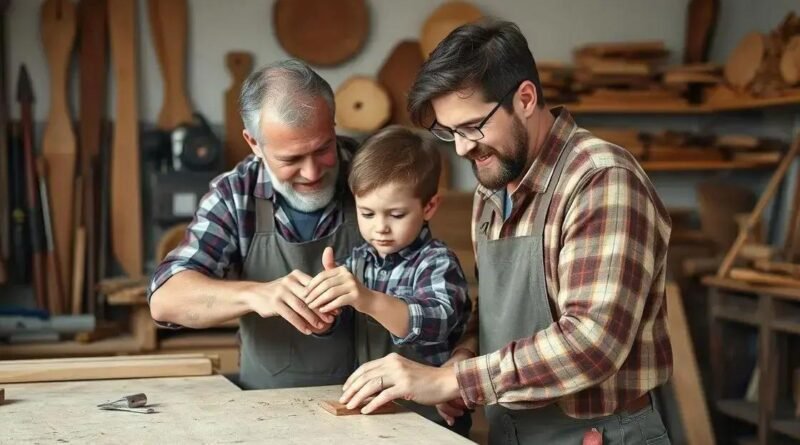
Engaging in woodworking is a fantastic way for fathers and sons to bond while creating something meaningful together. This activity helps in building strong relationships through shared experiences and teamwork.
Benefits of Working Together
When fathers and sons work on woodworking projects, they communicate, share ideas, and learn from each other. This collaboration fosters mutual respect and understanding, which strengthens their bond. It also creates opportunities to develop critical life skills, such as problem-solving and patience.
Encouraging Creativity
Woodworking encourages creativity, allowing sons to express themselves through their projects. They can personalize their designs, explore their imagination, and see their ideas come to life. This sense of accomplishment boosts confidence and inspires them to take on new challenges.
Learning Practical Skills
This hands-on activity teaches practical skills like measuring, cutting, and assembling materials. Sons learn about the tools and techniques used in woodworking, which can be beneficial as they grow. These skills are not only useful as hobbies but also valuable for future careers.
Fostering a Sense of Accomplishment
Completing a woodworking project together brings a sense of achievement for both fathers and sons. They can proudly display their work or use it, reminding them of their time spent together. This shared accomplishment can strengthen their relationship and create lasting memories.
Essential tools for woodworking projects
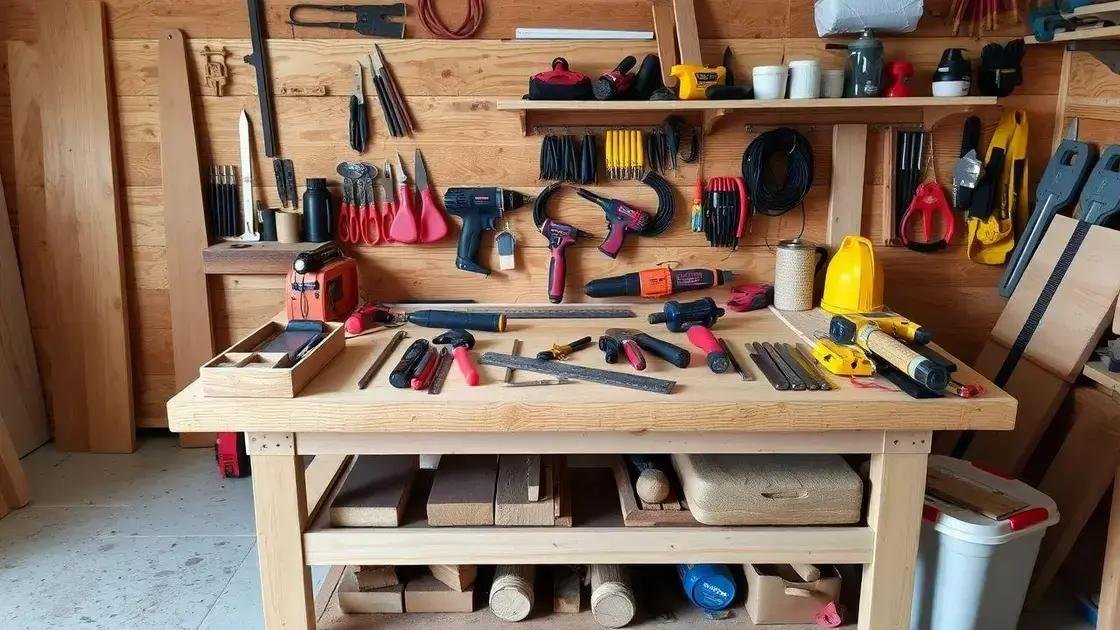
Having the right tools is crucial for successful woodworking projects. Below are some essential tools you should consider for working effectively and safely.
Hand Tools
Basic hand tools such as saws, chisels, and hammers are fundamental for woodworking. Saws come in various types, like handsaws and coping saws, tailored for specific cuts. Chisels help with fine details, while hammers are necessary for assembly.
Power Tools
Power tools can greatly enhance efficiency and precision. A drill is essential for making holes and driving screws. An electric saw, like a jigsaw or circular saw, is perfect for making straight and curved cuts quickly. Additionally, a router is beneficial for shaping edges and creating joinery.
Measuring and Marking Tools
Accurate measurements are key to successful projects. A tape measure and a square ensure your cuts are precise. Pencils and marking gauges help in marking out lines and measurements on wood, ensuring you cut correctly.
Finishing Tools
For finishing your projects, sanders and files are necessary. Using a sander will create smooth surfaces and edges, while a wood file allows for finer detailing. Don’t forget wood stains and finishes to enhance the appearance and protect your projects.
Safety Gear
Always prioritize safety when woodworking. Use goggles to protect your eyes, ear protection while operating loud machinery, and a mask to avoid inhaling dust and fumes. Proper safety gear is essential for a safe woodworking experience.
Simple woodworking projects to start with
Starting with simple woodworking projects is a great way to learn and enjoy time with your child. Here are some easy ideas that both fathers and sons can create together.
Birdhouse
A birdhouse is a fun project that teaches basic skills like cutting and assembling. Use untreated wood for the structure, and you can paint or decorate it afterward. Helping to provide a home for birds creates pride and joy.
Picture Frame
Building a picture frame is straightforward and allows for personalization. Cut four pieces of wood to the desired size, join them, and add a backing. Frame a special photo or artwork to commemorate your project together.
Wooden Toy Car
A wooden toy car is a classic project that kids love. Cut out shapes for the car body and wheels. With a little sanding and painting, you’ll create a unique toy that can be played with or displayed.
Bookshelf
Creating a small bookshelf teaches measuring and assembly skills. Simple shelves can store books or display treasures. Customize the design to fit your space, and your child will enjoy organizing their favorite stories.
Coasters
Wooden coasters are a simple yet practical project. Cut wood into squares, and then sand them for a smooth finish. You can stain or paint them to match your home decor. They make great gifts, too!
Safety tips for woodworking with kids
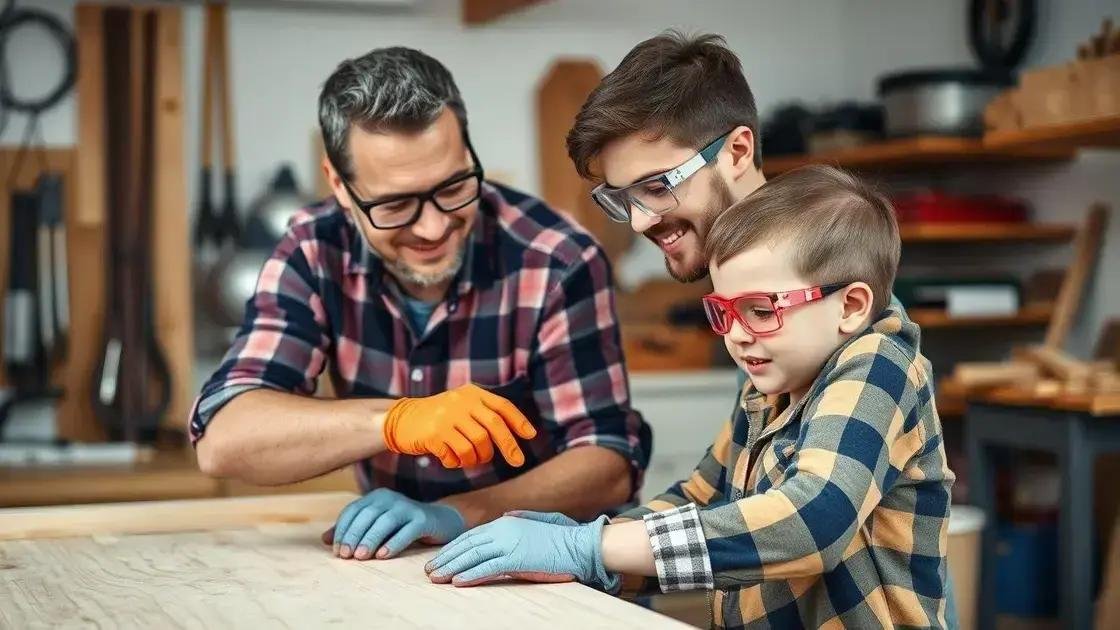
Prioritizing safety when woodworking with kids is essential. Here are important tips to ensure a safe and enjoyable experience.
Supervision is Key
Always supervise children closely while they are working with tools. This helps prevent accidents and ensures they follow safety procedures. Be present to offer guidance and support.
Use Appropriate Tools
Make sure to provide tools that are suitable for their age and skill level. Use hand tools for younger children, as they are generally safer than power tools. If using power tools, ensure that only adults operate them while explaining safety precautions.
Safety Gear
Provide safety goggles to protect eyes from dust and debris. Additionally, use ear protection when using loud tools, and a dust mask for cutting materials to prevent inhalation of dust.
Workspace Organization
Keep the workspace clean and organized. Ensure tools are put away after use to avoid tripping hazards. A tidy area promotes focus and safety during woodworking projects.
Teach Safe Practices
Educate kids on how to use each tool correctly. Teach them to respect tools and understand their purpose. Show them how to handle materials safely and where to place their hands while working.
Creative ideas for building customized furniture
Creating customized furniture is a fun way to express creativity and make functional pieces for your home. Here are some creative ideas to get started on your next project.
Personalized Bench
A personalized bench can serve as both seating and storage. Design a bench with a lift-up top for storing toys or shoes. Allow your child to help paint or carve designs into the wood to make it unique.
Customized Shelves
Open shelves can be designed in various shapes and sizes. Create geometric shelves or a tree-shaped shelf to add a playful touch to a room. Use bright colors or wood stains to match your decor, making it a fun DIY project.
Adjustable Desk
Building an adjustable desk allows for growth. Construct a simple desk that can be raised as your child grows. Include features like a hidden compartment for school supplies, making it functional and organized.
Wooden Toy Chest
A wooden toy chest is not just practical for storage; it can also be a creative canvas. Have your child help decorate the chest with their favorite colors, stencils, or stickers. This will make keeping the play area tidy exciting.
Colorful Step Stool
Build a step stool that helps kids reach high places safely. Customize it by painting it in their favorite colors or adding fun designs. This project not only teaches building skills but also provides them with a handy tool in the kitchen or bathroom.
Using woodworking to teach valuable skills
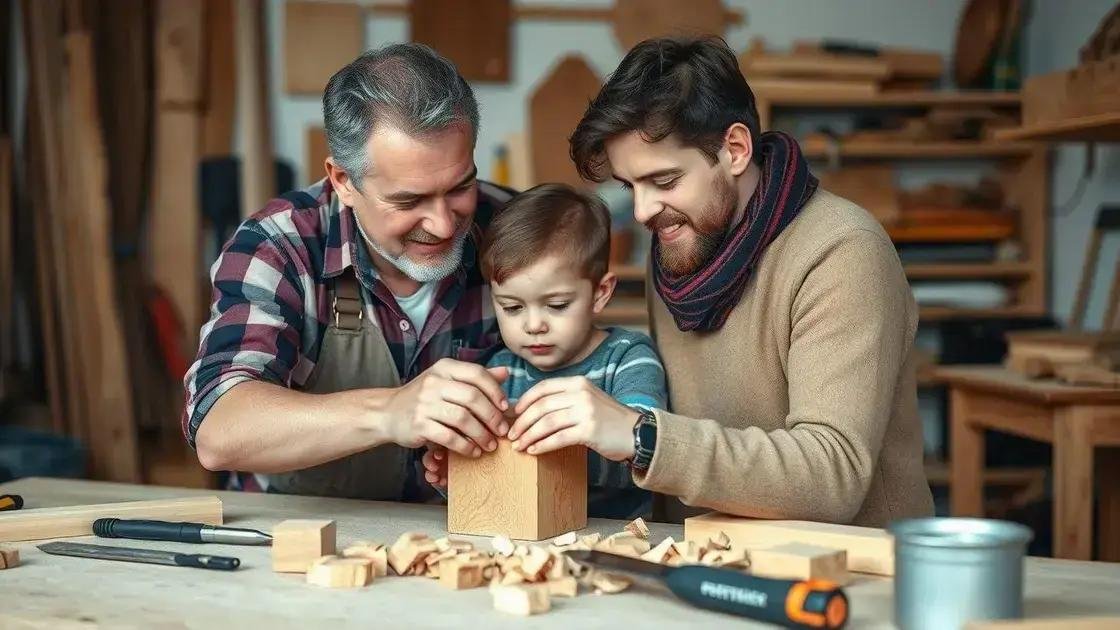
Woodworking is an excellent way to teach valuable skills to children. Here are some important lessons they can learn while enjoying this hands-on activity.
Problem-Solving Skills
While working on woodworking projects, kids encounter challenges that require them to think critically. Whether it’s fixing a mistake or figuring out how to assemble pieces, they learn to approach problems with creativity and resourcefulness.
Mathematical Concepts
Woodworking involves measuring, cutting, and constructing, which reinforces mathematical concepts. Kids learn to use tools like tape measures and squares, helping them understand fractions, dimensions, and area while having fun.
Fine Motor Skills
Using various tools helps children develop fine motor skills. By handling tools and materials, they improve their hand-eye coordination and dexterity, which are essential for many everyday tasks.
Planning and Patience
Creating a woodworking project requires planning. Kids learn how to visualize the final product, sketch their ideas, and create a step-by-step plan to achieve their goals. This instills patience, as they understand that great results take time and effort.
Teamwork and Communication
Woodworking often involves collaboration. Working with a father or peers on a project teaches children how to communicate effectively and work as a team. They practice sharing ideas, listening to input, and resolving differences.
Incorporating nature into your woodworking projects
Incorporating nature into your woodworking projects adds beauty and a unique touch. Here are some ideas to harmonize your creations with the natural world.
Using Reclaimed Wood
Reclaimed wood not only provides a rustic charm but also promotes sustainability. This type of wood can come from old furniture, barns, or pallets, giving your project character while helping the environment.
Natural Finishes
Choose finishes that enhance the natural look of the wood. Use oils, waxes, or water-based stains that highlight the grain and color variations. These finishes are eco-friendly and protect the wood without hiding its natural beauty.
Natural Elements in Design
Incorporate elements like branches, stones, or even plants into your designs. For example, a table can have branches creatively used as legs, or a bookshelf can include small planters for decorative succulents, blending functionality with nature.
Outdoor Projects
Consider crafting furniture or decor designed specifically for outdoor use. Building picnic tables, garden benches, or birdhouses not only serves a purpose but also enhances outdoor spaces, encouraging a connection with nature.
Inspiring Natural Shapes
Let the shapes found in nature inspire your designs. Curved lines and organic forms can create harmonious pieces. Think about how waves, trees, or mountains can influence the contours and overall style of your woodworking projects.
Celebrating the finished projects together
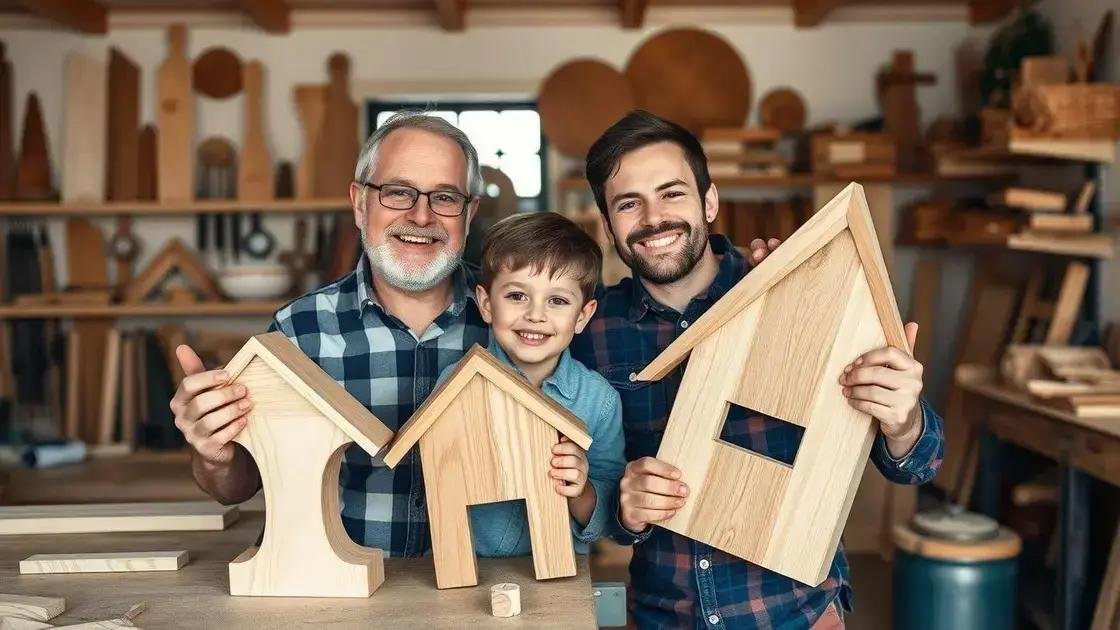
Celebrating finished projects is an essential part of the woodworking experience. It creates lasting memories and boosts confidence for both fathers and sons.
Take a Moment to Appreciate Your Work
Once a project is completed, take time to admire the work. Discuss what went well and the challenges faced along the way. This reflection enhances the sense of achievement.
Share Your Creation
Showcase the finished project with family and friends. Sharing your creation not only highlights the hard work but also makes your child feel proud. Consider hosting a small gathering or inviting relatives to see the handiwork.
Document the Process
Capture photos or videos of the project from start to finish. Create a scrapbook or digital album that tells the story of your woodworking journey. This also serves as a creative way to remember the skills learned and fun had together.
Host a Mini Awards Ceremony
Make the final reveal special by organizing a fun award ceremony at home. Create awards for creativity, effort, or teamwork, and give them to each other. This playful recognition adds to the excitement surrounding your achievements.
Use the Projects in Daily Life
Incorporate the finished projects into daily routines. Using the furniture or decor you made together reinforces the bond formed during the process. Each time you see the project, it will remind you of the fun times spent collaborating.
In conclusion, woodworking projects are a wonderful way for fathers and sons to bond
Not only do these projects cultivate creativity and practical skills, but they also create lasting memories. By embracing safety and enjoying each step of the process, families can strengthen their relationships and enjoy the fruits of their labor.
From simple projects like birdhouses to more complex furniture creations, each experience is an opportunity to learn and grow together. Celebrating these achievements adds an extra layer of joy, reminding everyone of the fun and teamwork involved.
So grab some wood, tools, and your kids, and let the adventures in woodworking begin!
FAQ – Frequently Asked Questions about Woodworking Projects for Fathers and Sons
What age is appropriate for children to start woodworking projects?
Children can start woodworking as early as 6 or 7 years old, with simple projects that involve basic skills under adult supervision.
What tools are safe for kids to use in woodworking?
Hand tools like sanders, clamps, and non-electric saws are often safe for kids. Always ensure adult supervision and guidance.
How can woodworking improve a child’s skills?
Woodworking helps develop problem-solving skills, fine motor skills, and creativity while also teaching patience and teamwork.
What are some beginner woodworking projects for fathers and sons?
Simple projects like birdhouses, picture frames, and toy cars are great for beginners and can be completed together for fun learning experiences.
How do you ensure safety during woodworking with kids?
Always supervise children, provide appropriate safety gear, use age-appropriate tools, and maintain a clean workspace to prevent accidents.
What should we do with the finished woodworking projects?
Celebrate the completed projects by showcasing them at home, using them in daily life, or even organizing a small gathering to share these creations with family and friends.