Wood projects for garage workshop beginners: unleash your creativity
Wood projects for garage workshop beginners involve starting with essential tools, selecting the right wood, and trying beginner-friendly projects to develop skills while ensuring safety and effective organization in the workspace.
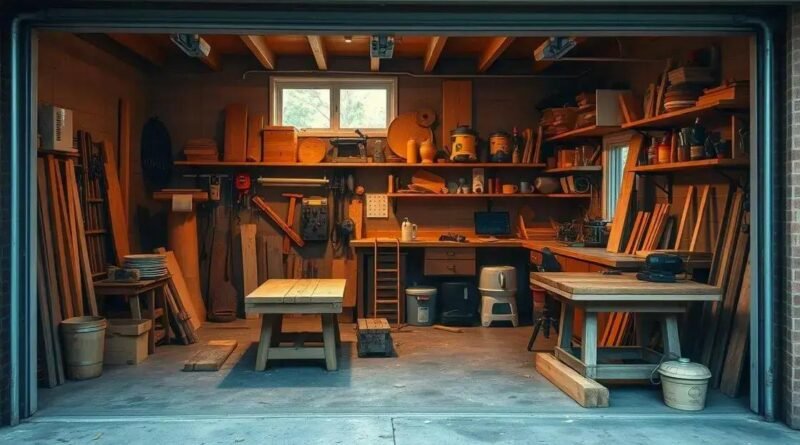
Wood projects for garage workshop beginners offer a fantastic way to express your creativity while honing your skills. Have you ever dreamed of crafting your own furniture or home decor? Let’s explore some beginner-friendly ideas that can turn your garage into a true workshop.
Essential tools for your garage workshop
Setting up a successful garage workshop starts with having the right tools. Essential tools can make your woodworking experience enjoyable and efficient. Here’s a look at must-have tools that every beginner should consider.
Hand Tools
Basic hand tools are crucial for any woodworking project. Start with items like saws, chisels, and hammers. A combination square is also invaluable for making accurate measurements.
Power Tools
Investing in power tools can significantly reduce effort and time. A corded or cordless drill is essential for driving screws and making holes. A sander helps you achieve a smooth finish on your projects, while a jig saw is great for cutting curves and intricate shapes.
Workbench and Storage
A sturdy workbench provides a solid surface for your projects. Don’t forget about proper storage solutions. Toolboxes or wall-mounted racks keep your workspace organized and accessible.
Safety Gear
Safety should always come first. Equip yourself with safety goggles, a dust mask, and ear protection. These items are essential for protecting yourself from wood chips, dust, and loud noises.
Additional Tools
As you progress in your projects, consider adding a router for decorative edges, and clamps to hold your workpieces securely while you work. A tape measure also plays a vital role in ensuring precision in your cuts.
Choosing the right wood for projects
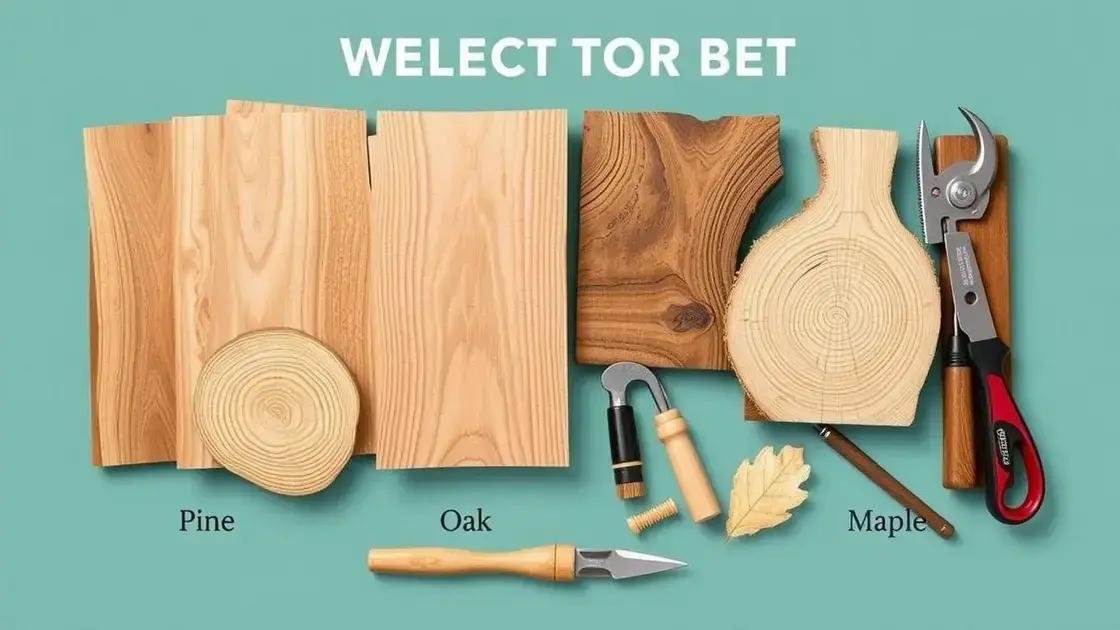
Choosing the right wood for your projects is essential for achieving the desired results. Different types of wood have unique properties that affect strength, appearance, and workability. Here are some key points to consider when selecting wood for your projects.
Common Types of Wood
Some popular types include pine, oak, and maple. Pine is lightweight and easy to work with, making it ideal for beginners. Oak, known for its durability, is great for furniture, while maple has a fine grain that works well for cabinetry.
Softwood vs. Hardwood
Softwoods come from coniferous trees and are generally easier to cut and shape. Hardwoods come from deciduous trees; they tend to be denser and more durable, making them perfect for projects requiring longevity.
Grain Patterns and Appearance
The appearance of the wood can greatly affect your project’s design. Consider grain patterns and colors. Some woods have beautiful patterns that can enhance the aesthetic appeal of your project.
Cost Considerations
Not all woods are priced the same. While softwoods are usually less expensive, hardwoods can vary significantly in price. It’s important to budget accordingly, especially for larger projects.
Tools and Skills Required
Some types of wood may require specific tools or techniques for proper handling. For example, hardwoods often need sharper tools and different cutting techniques compared to softwoods. Ensure you have the right equipment for the type of wood you choose.
Beginner-friendly wood projects to try
For those just starting out in woodworking, there are plenty of beginner-friendly wood projects that can help build your skills and confidence. These projects are simple, enjoyable, and don’t require advanced techniques.
Wooden Coasters
Making wooden coasters is a great first project. You can use scrap wood and cut it into small squares. Sand the edges smooth, and finish with a protective coat.
Birdhouse
A birdhouse is a classic woodworking project. It involves simple cuts and joins, giving you hands-on experience. Plus, it’s rewarding to see birds using your creation!
Picture Frames
Creating picture frames can be a fun way to personalize your space. You can craft them from various woods and paint or stain them to match your home decor.
Simple Shelves
Building simple floating shelves is practical and straightforward. You’ll learn to cut wood to size and mount it securely to the wall, adding storage or display space in your home.
Planter Box
Try making a planter box if you enjoy gardening. This project allows you to practice your skills while creating something beautiful for your plants.
Step Stool
Crafting a small step stool is another excellent project. It teaches you about stability and balance while providing a useful item for your home.
Tips for planning and designing your projects
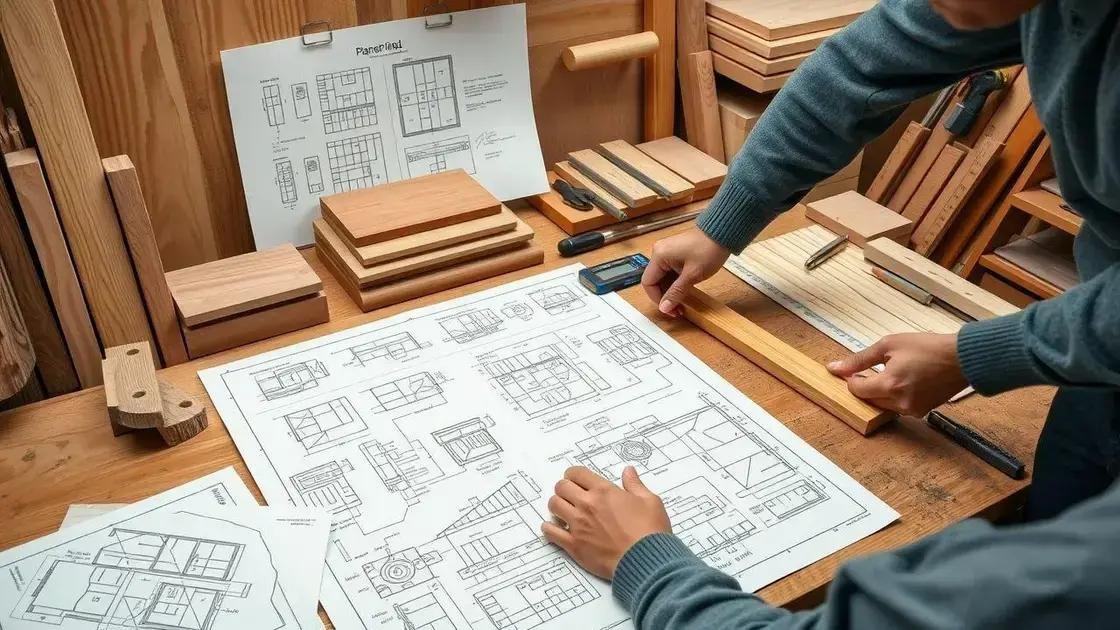
Clever planning and design are key to successful woodworking projects. Here are some tips to help you get started effectively and efficiently.
Define Your Project Goals
Begin by understanding what you want to achieve. Define the purpose of your project and visualize the end result. Ask yourself how the item will be used and who will use it.
Create a Detailed Plan
Once you have a goal, create a detailed plan. Sketch your design on paper or use software for digital plans. Include dimensions, materials needed, and any specific features you want.
Select the Right Materials
Choose materials that suit your project’s function and aesthetic. Consider wood types, finishes, and hardware. Ensure that your material choices align with your skill level and tools available.
Measure Twice, Cut Once
Accuracy is crucial in woodworking. Take your time to measure dimensions multiple times before making cuts. This will help prevent mistakes and save materials.
Build a Prototype
If your project is complex, consider building a prototype. This smaller version allows you to test your design and make adjustments before working on the final piece.
Stay Organized
Keep your workspace organized. Having tools and materials in their proper places can reduce frustration. Use labels and storage solutions to maintain order.
Safety precautions in the workshop
Safety is crucial in any woodworking shop. By following some safety precautions, you can ensure a safer working environment and reduce the risk of accidents.
Wear the Right Personal Protective Equipment
Always wear safety goggles to protect your eyes from flying debris. A dusk mask will help filter out fine wood dust, while ear protection can shield your hearing from loud tools.
Keep Your Workspace Clean and Organized
A tidy workspace reduces the chance of accidents. Clean up spills immediately and keep tools organized and out of walkways. Avoid clutter on your workbench.
Understand Your Tools
Before using any tool, read the user manual. Familiarize yourself with the proper operation of saws, drills, and sanders. Knowing how to handle each tool increases safety.
Inspect Tools Before Use
Always check your tools for damage before use. Look for loose wires, dull blades, or any signs of wear. If tools are damaged, do not use them until repaired.
Use Tools Properly
Follow the manufacturer’s instructions for each tool. Always use the right tool for the job and never bypass safety features. For example, use push sticks for cutting narrow pieces.
Be Aware of Your Surroundings
Stay alert and be conscious of others in the workshop. Make sure no one is in close proximity when using powerful tools.
Finishing techniques for a professional look
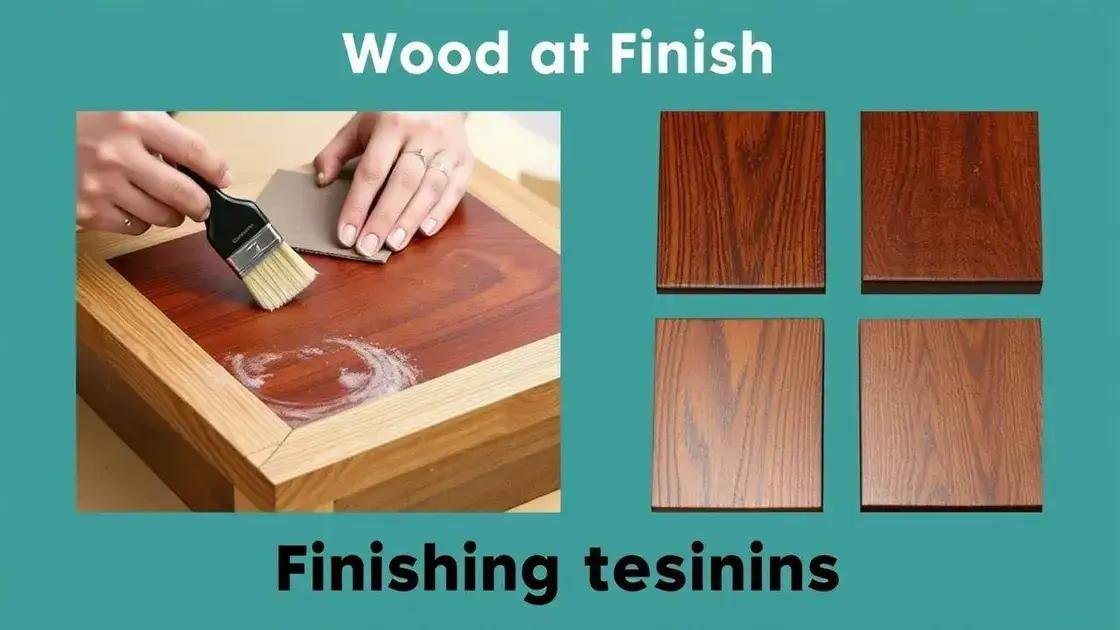
Applying the right finishing techniques can elevate your woodworking projects from basic to professional. Here are several methods to help you achieve a polished look.
Sand Your Surface Smoothly
Start by sanding your wood surface. Begin with a coarse grit sandpaper and gradually move to finer grits. Proper sanding removes imperfections and prepares the wood for finishing.
Choose the Right Finish
Select a finish suitable for your project. Some common options are stains, varnishes, and oils. Stains add color while allowing the wood grain to show through. Varnishes provide a durable surface, and oils can enhance the wood’s natural beauty.
Apply Even Coats
When applying finishes, use a brush, rag, or sponge. Ensure to apply even coats to avoid streaks. Work in the direction of the grain to achieve a smoother appearance.
Dry and Cure Properly
Allow the first coat to dry completely before applying another. Follow the manufacturer’s instructions on drying times. Curing is also essential for achieving durability in your finishes.
Buffing for a Glossy Finish
To achieve a glossy finish, consider buffing the surface after the final coat dries. Use a soft cloth or a buffer to polish the surface. This adds shine and enhances the overall look of your project.
Final Touches
Inspect your work for any imperfections. If necessary, lightly sand between coats. Once satisfied, apply a final polish to protect the finish and add luster.
Organizing your workspace effectively
A well-organized workspace can greatly enhance your woodworking experience. Here are some effective tips for organizing your workspace to maximize efficiency and safety.
Declutter Regularly
Start by removing unnecessary items from your workspace. Regularly decluttering helps keep your area tidy. Dispose of scraps, unused tools, and materials that you no longer need.
Designate Specific Areas
Assign specific areas for different activities. Have a dedicated area for cutting, assembly, and finishing. This not only helps in efficient workflow but also keeps things safer.
Use Vertical Space
Make use of vertical space by installing shelves and pegboards. These can hold tools and supplies off the work surface, freeing up space for your projects and keeping everything visible.
Label Everything
Labeling tools, bins, and storage boxes makes it easier to find what you need quickly. Use a label maker or write clearly on masking tape for easy identification.
Tool Storage Solutions
Invest in tool storage options such as tool chests or wall-mounted racks. These solutions can keep your tools organized and accessible while protecting them from damage.
Keep Frequently Used Items Within Reach
Place tools and materials that you use often within easy reach. This minimizes the time spent searching for items and allows for a smoother workflow.
Resources for further inspiration

Finding inspiration for your woodworking projects can be exciting and motivating. Here are some valuable resources to spark your creativity and help you take your skills to the next level.
Online Tutorials and Courses
Websites like YouTube offer countless video tutorials ranging from basic techniques to advanced project builds. Join woodworking forums or platforms like Udemy and Skillshare for structured online courses.
Books and Magazines
Read books and magazines dedicated to woodworking. Titles like “The Complete Manual of Woodworking” provide extensive information on techniques, tools, and projects. Magazines like Woodworker’s Journal showcase inspiring projects and expert tips.
Social Media Groups
Join woodworking groups on social media platforms like Facebook and Instagram. These communities often share project ideas, tips, and advice. Follow hashtags like #woodworking for constant inspiration.
Local Workshops and Classes
Check your local area for woodworking workshops and classes. Participating in hands-on sessions can provide direct learning experiences and connect you with fellow woodworking enthusiasts.
Tool and Material Suppliers
Visit local hardware stores or specialty wood suppliers for inspiration. Many stores have project displays set up, showcasing what you can create with their products.
Inspirational Websites
Websites like Instructables and Pinterest provide visual ideas and step-by-step guides. Search for specific projects or browse through categories to find new concepts that excite you.
In Conclusion: Embrace Your Woodworking Journey
Woodworking can be a rewarding hobby or even a fulfilling career. By starting with the right tools, planning your projects carefully, and ensuring safety, you can build beautiful and functional pieces.
Don’t hesitate to explore beginner-friendly projects that can help you grow your skills. Remember, the more you practice, the better you’ll become. Take advantage of the many resources available, from online tutorials to local workshops.
With creativity and dedication, you can turn your woodworking dreams into reality. Embrace the journey and enjoy every moment spent in your workshop!
FAQ – Frequently Asked Questions About Woodworking for Beginners
What tools do I need to start woodworking?
To start woodworking, you will need basic tools like a saw, drill, measuring tape, hammer, and sandpaper. As you progress, you can invest in more advanced tools.
How can I ensure safety in my workshop?
To ensure safety, always wear protective gear like safety goggles and ear protection. Keep your workspace organized and understand how to use your tools properly.
What are some beginner-friendly wood projects I can try?
Beginner-friendly projects include making wooden coasters, a birdhouse, picture frames, and simple shelves. These projects help build fundamental skills.
Where can I find woodworking inspiration?
You can find inspiration through online tutorials, woodworking books, social media groups, and local workshops. Websites like Pinterest and Instructables are also great resources.
How do I finish my woodworking projects for a professional look?
To finish projects, sand the surfaces, choose the right finish like stain or varnish, apply even coats, and buff the final surface for a smooth gloss.
Is woodworking a good hobby for beginners?
Yes, woodworking is an excellent hobby for beginners as it allows for creativity and hands-on skills development. It’s rewarding and can be very satisfying.