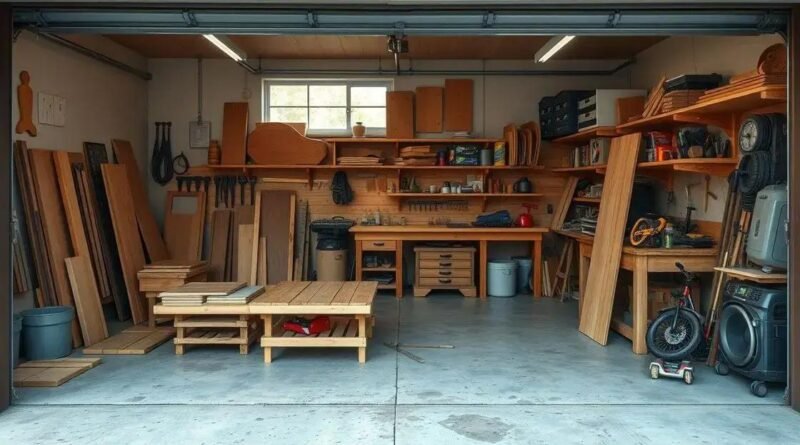
Wood projects for garage workshop beginners: tips and ideas to start
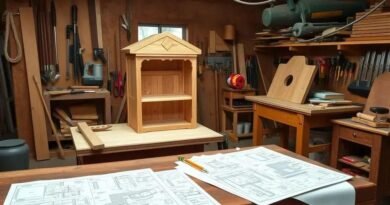
For beginners in woodworking, starting with simple projects like birdhouses, planter boxes, and storage crates, while ensuring safety and organization in your garage workshop, sets the foundation for developing skills and creativity.
If you’ve ever considered diving into woodworking, wood projects for garage workshop beginners are a fantastic way to start. Imagine transforming your garage into a creative haven where you can craft beautiful items. Curious about where to begin? Let’s explore some exciting possibilities!
Essential tools for wood projects
When starting your journey with wood projects for garage workshop beginners, having the right tools is crucial. Here are some essential tools that every beginner should consider:
Measuring Tools
Accurate measurements are key in woodworking. A good tape measure and a square will help you make precise cuts.
Cutting Tools
Invest in a quality handsaw for basic cuts. As you advance, consider a circular saw or a jigsaw for more complicated shapes.
Drilling Tools
A drill is essential for making holes and driving screws. A cordless drill offers flexibility, making it easier to work in tight spaces.
Sanding Tools
To achieve a smooth finish, a sander is necessary. For beginners, a block sander or an orbital sander can simplify the task.
Safety Gear
Don’t forget to prioritize safety. A pair of safety goggles and a dust mask will protect you from debris and fine dust.
By gathering these essential tools, you’ll be well-prepared to tackle a variety of wood projects in your garage workshop.
Choosing the right wood types
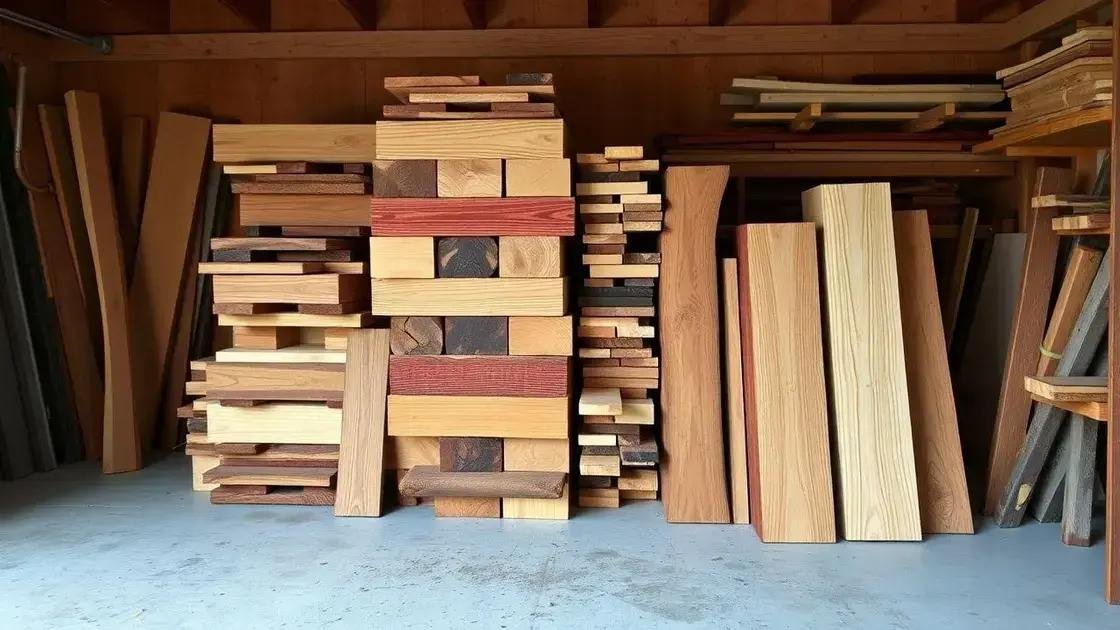
Choosing the right wood types is essential for any wood projects for garage workshop beginners. Different woods have unique properties that affect your project’s durability and appearance.
Softwoods vs. Hardwoods
Softwoods, like pine and cedar, are easier to work with and more affordable. They are great for beginners and are often used for indoor projects.
On the other hand, hardwoods, such as oak and maple, are more durable and provide a rich appearance. However, they can be harder to cut and shape.
Understanding Wood Grains
The grain of the wood can also affect your choices. Straight-grained woods are easier to cut and finish, while curly or wavy grains add visual interest but can be tricky to work with.
Climate Considerations
When choosing wood, consider your local climate. Some woods, like treated lumber, are better suited for outdoor projects due to their resistance to moisture. Others may warp or crack in humid environments.
Eco-Friendly Options
For sustainable woodworking, look for reclaimed wood or woods certified by organizations like the Forest Stewardship Council (FSC). These options are great for your projects and the environment.
By understanding the properties of different wood types, you’ll be better equipped to select the right material for your next project. Enjoy the creativity woodwork brings!
Simple wood projects for beginners
Starting with simple wood projects is a great way for wood projects for garage workshop beginners to build skills and gain confidence. Here are some easy ideas to get you started:
Birdhouse
A birdhouse is a classic beginner project. You’ll need basic tools and wood. Follow simple plans to create a cozy home for local birds.
Planter Box
Creating a planter box is another easy project. This can be made from untreated wood and can add beauty to your garden or patio.
Wooden Storage Crate
A storage crate is functional and stylish. It’s simple to assemble and can help keep your garage organized.
Picture Frame
Making a picture frame allows you to get creative with design. Choose wood that complements your decor, and add a personal touch.
Coat Rack
Building a coat rack is a practical project. Use a wooden board and add hooks for hanging coats, bags, or hats near your entrance.
These projects not only enhance your woodworking skills but also result in useful items for your home or garden. Enjoy the process and have fun creating!
Safety tips for woodworking

Safety is crucial for anyone working on wood projects for garage workshop beginners. Here are some essential safety tips to keep in mind:
Wear Protective Gear
Always wear safety goggles to protect your eyes from sawdust and debris. A dust mask can help prevent inhalation of harmful particles.
Use Proper Tools
Make sure you are using the right tools for each job. This includes checking for sharp blades and ensuring tools are in good working condition before use.
Keep Your Workspace Clean
A tidy workspace is a safe workspace. Regularly clean up sawdust and wood shavings to reduce tripping hazards and prevent accidents.
Follow Tool Instructions
Always read and follow the manufacturer’s instructions for each tool. Understanding how to operate tools correctly is key to maintaining safety.
Work in a Well-Lit Area
Ensure your workspace is well-lit. Good lighting helps you see better and reduces the chances of making mistakes or mishaps.
Avoid Distractions
Focus entirely on your project while cutting or using power tools. Distractions can lead to serious accidents, so it’s best to work in a calm environment.
By following these safety tips, you can enjoy woodworking while minimizing risks and ensuring a safe working environment.
Techniques for finishing wood projects
Finishing wood projects is a vital step that enhances the appearance and durability of your work. Here are some effective techniques for finishing wood:
Sanding
Begin with sanding to create a smooth surface. Use progressively finer grits of sandpaper, starting with 80-grit and finishing with 220-grit. Always sand in the direction of the wood grain to avoid scratches.
Staining
Staining adds color and highlights the wood grain. Apply it evenly with a brush or cloth, and wipe off the excess after a few minutes. This will give you a rich, beautiful finish.
Sealing
Use a wood sealer to protect the wood from moisture and dirt. Apply a thin coat and allow it to dry as per the manufacturer’s instructions. This step helps to prepare the surface for further finishing touches.
Applying Varnish
After sealing, apply a clear varnish or polyurethane for added protection. Use a brush or foam applicator, and apply multiple thin coats for a durable finish. Sand lightly between coats for the best results.
Finishing Touches
For a sophisticated look, consider adding a wax finish. Wax can provide a soft sheen and make the wood feel smooth to the touch. Buff it lightly after applying for an elegant finish.
By mastering these finishing techniques, you will enhance your wood projects and make them look professional and polished. Enjoy the results of your hard work!
How to organize your garage workshop
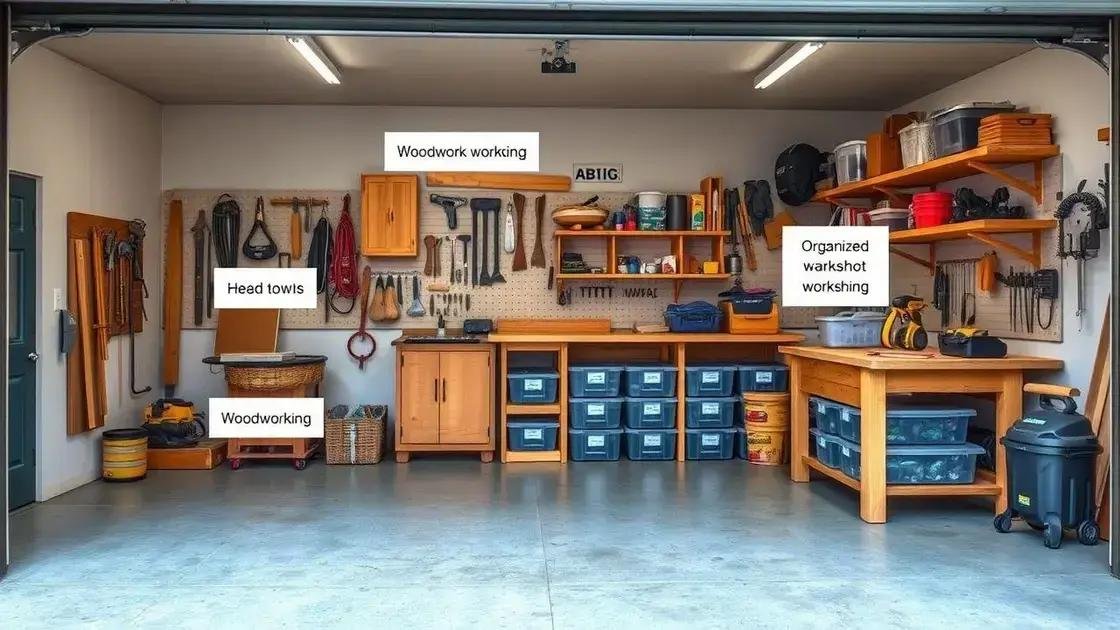
Organizing your garage workshop is essential for maximizing efficiency and safety. Here are some tips to create a well-structured space:
Declutter Regularly
Start by removing items that you no longer need. Decluttering helps free up space and allows you to focus on your projects without distraction.
Create Zones
Establish designated zones for different activities. For example, have a woodworking area, a tool storage area, and a painting area. This system makes it easier to find what you need.
Use Shelving and Storage Bins
Install shelves to store tools and materials off the floor. Use clear storage bins to keep small items organized and visible. Label everything for easy access.
Hang Tools on Walls
Utilize wall space by hanging tools on pegboards or magnetic strips. This keeps frequently used tools within reach and frees up workspace.
Maintain a Clear Workspace
Keep your workbench tidy and clear of clutter. A clean surface helps you work more effectively and prevents accidents.
Implement a System for Clean-Up
Establish a routine for daily or weekly clean-up. This helps maintain your organized space and ensures everything is in its proper place.
By following these steps, you can create an organized and efficient garage workshop that enhances your woodworking experience.
Creative storage solutions for tools
A well-organized garage workshop maximizes efficiency, and innovative storage solutions can help. Here are some creative ideas for storing your tools:
Magnetic Strips
Use magnetic strips to hold metal tools, such as screwdrivers and wrenches. Mount these strips on the wall for easy access and visibility.
Tool Racks
Create a tool rack with various hooks to hang tools of different sizes. This keeps your workspace organized and ensures tools are within reach.
Wall-Mounted Bins
Install wall-mounted bins to hold smaller tools and supplies. Label each bin for quick identification, making it easy to find what you need.
Sliding Drawers
Consider adding sliding drawers under your workbench. These can store tools and materials while keeping them hidden and out of the way.
Caddy for Portable Storage
A tool caddy allows for easy transport of tools around the workshop. Use a tote or a bucket with a handle to carry essential tools to your work area.
Repurposed Items
Think creatively and use repurposed items for storage. Old crates, jars, or wooden pallets can be transformed into useful storage solutions, adding charm to your workshop.
By implementing these creative storage solutions, you can keep your tools organized and make your garage workshop more functional.
Inspiration sources for wood project ideas

Finding inspiration for your wood projects is essential to keep your creativity flowing. Here are some effective sources to spark your imagination:
Online Platforms
Explore websites like Pinterest, Instagram, and YouTube, where woodworkers share their projects. Searching for hashtags like #woodworking or #diywoodprojects can yield countless ideas.
Woodworking Magazines
Consider subscribing to woodworking magazines that feature project ideas, tips, and tutorials. They often showcase work from experienced woodworkers and provide step-by-step instructions.
Local Workshops
Joining local workshops or classes can provide not only hands-on experience but also ideas from instructors and fellow participants. Networking in a community of woodworkers can lead to new inspirations.
Books on Woodworking
Books focusing on woodworking techniques and projects can be a treasure trove of inspiration. Look for books that are beginner-friendly, filled with illustrations and clear instructions.
Nature and Home Decor
Take a walk in nature or explore home decor stores to observe styles, colors, and materials that inspire you. Often, natural elements can guide the design of your wood projects.
Craft Fairs and Exhibitions
Attend craft fairs or woodworking exhibitions to see finished projects up close. Speaking to the creators can also provide insights and ideas for your own work.
By tapping into these sources, you can uncover exciting wood project ideas that resonate with your interests and skills.
Wrapping Up Your Woodworking Journey
Woodworking is a rewarding hobby that allows creativity to flourish. By applying the tips and techniques discussed, beginners can confidently start their projects while ensuring safety and organization.
Finding inspiration from various sources can ignite your passion and lead to exciting new ideas. Remember, the more you practice, the better you will become.
Embrace the journey and enjoy creating beautiful and functional pieces that reflect your personal style. Happy woodworking!
FAQ – Frequently Asked Questions About Wood Projects for Beginners
What are some easy wood projects for beginners?
Some easy wood projects include birdhouses, planter boxes, storage crates, and picture frames.
What tools do I need to start woodworking?
Basic tools include a handsaw, drill, sander, tape measure, and safety goggles.
How can I ensure safety while woodworking?
Always wear safety goggles and a dust mask, use the right tools, and keep your workspace clean and organized.
Where can I find inspiration for wood projects?
You can find inspiration from online platforms like Pinterest, woodworking magazines, local workshops, and nature.
What finishing techniques should I use for wood projects?
Common finishing techniques include sanding, staining, sealing, and applying varnish for protection.
How do I organize my garage workshop?
Declutter regularly, create zones for different activities, use shelving, and utilize wall space for tool storage.


Hey there, allbubles.com is yours…
yes