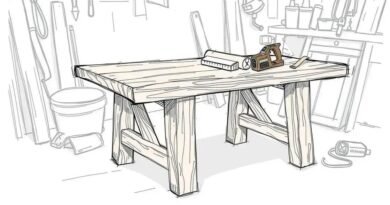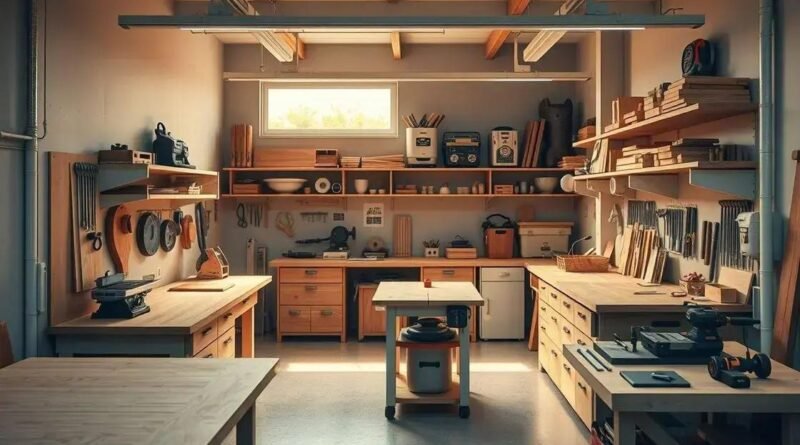
Small woodworking shop layout ideas that will maximize your space
Small woodworking shop layout ideas include maximizing vertical space, ensuring proper tool organization, using natural light, and integrating ergonomics to create a safe, efficient, and inviting workspace for creativity and productivity.
Small woodworking shop layout ideas can truly reshape how you approach your craft. Have you ever felt cramped while working? Finding the right layout can enhance both your productivity and creativity in a small space.
Essential elements of a functional woodworking shop
Every functional woodworking shop must incorporate essential elements that ensure efficiency and productivity. One of the first considerations is the layout. A well-planned layout allows for easy movement between workstations and helps minimize clutter.
Workbenches and Stations
Start with a sturdy workbench, as it will be the heart of your workshop. Ensure that it is at a comfortable height for your tasks. Additionally, create designated stations for specific tasks such as cutting, sanding, and assembly to streamline your workflow.
Tool Organization
Organizing your tools is vital. Use tool racks and drawers to keep everything in its place. Labeling containers and shelves can save you time searching for tools. Keep frequently used tools within easy reach and less common tools stored away safely.
Safety Equipment
Safety should always be a priority. Equip your shop with necessary safety gear such as goggles, ear protection, and dust masks. Having a first aid kit readily available is also important in case of minor accidents.
Lighting and Ventilation
Good lighting and ventilation create a comfortable environment. Install bright overhead lights to reduce eye strain, and ensure proper ventilation to avoid inhaling wood dust and fumes.
Electrical Outlets
Make sure to have plenty of electrical outlets throughout your shop. This is essential for powering tools without the need for extension cords, which can create hazards.
By integrating these essential elements into your woodworking shop, you set the groundwork for a more organized, safe, and productive workspace.
Choosing the right tools for small spaces
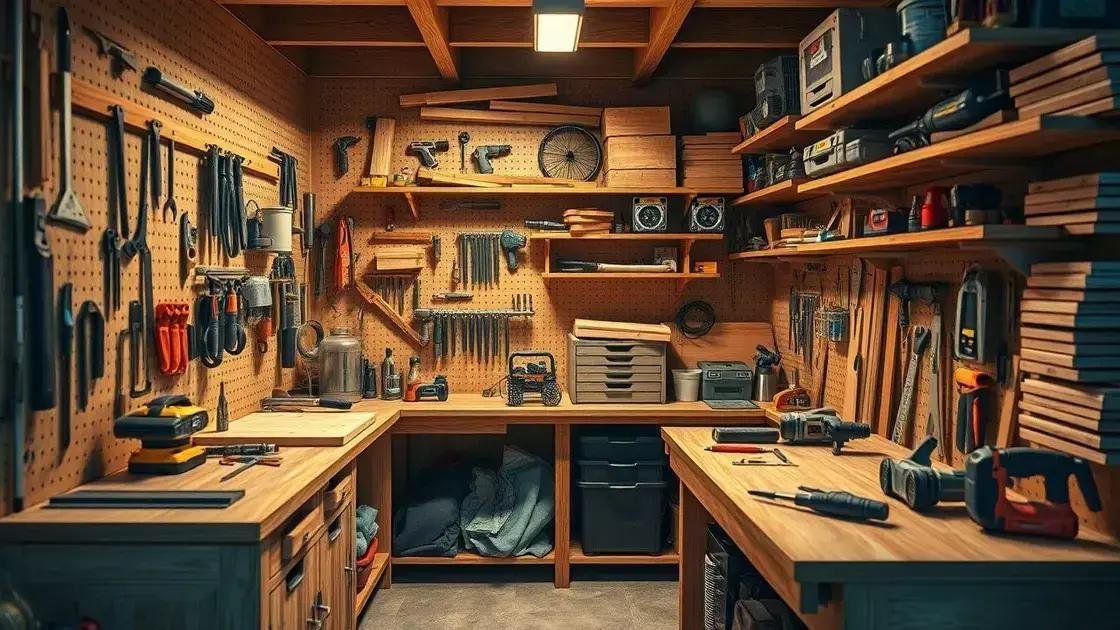
When it comes to choosing the right tools for small spaces, it’s crucial to prioritize versatility and efficiency. Investing in tools that serve multiple functions can save space and increase productivity.
Compact and Multi-Use Tools
Look for compact tools designed for tight spaces. For instance, a combination sander can serve both sanding and finishing needs, allowing you to eliminate the need for separate machines. Additionally, consider tools that can perform various functions, like a router that can also be used for edge shaping.
Portable Tools
Opt for portable tools when possible. Battery-operated tools can minimize the clutter of extension cords and make it easier to move around the shop without being tethered to an outlet. A cordless drill and a compact circular saw are excellent examples.
Storage Solutions
Efficient storage solutions are key to managing tools in a small space. Use wall-mounted tool holders and storage bins to keep everything organized and easily accessible. Magnetic strips can also be used to hold metal tools, keeping them visible and ready for use.
Quality over Quantity
In smaller workshops, it’s better to have fewer, high-quality tools than a large collection of lower-quality options. Focus on acquiring tools that you will use regularly and that can withstand heavy usage. Investing in quality ensures longevity and effectiveness.
By carefully selecting tools suited for small spaces, you can maximize your workshop’s efficiency and ensure that every square inch is utilized effectively.
Effective storage solutions for woodworking materials
Effective storage solutions for woodworking materials are essential to keeping your workshop organized and functional. Proper storage not only maximizes the available space but also prolongs the life of your materials.
Vertical Storage
Utilizing vertical space is one of the best ways to organize wood. Install wall-mounted shelves or racks to store boards upright. This method keeps materials accessible and visible while minimizing floor space usage.
Bin and Box Systems
Using bins and boxes is a fantastic way to store smaller materials like screws, nails, and other hardware. Clear plastic containers allow you to see contents easily, and labeling each box can help find what you need quickly.
Drawer Units
Drawer units are versatile and can fit into tight spaces. Use them to store tools and supplies at a height that is convenient for you. Organizing similar items within labeled drawers can streamline your workflow.
Magnetic Strips
Magnetic strips are excellent for holding metal tools and fasteners, keeping them within easy reach. Attach magnetic strips to the walls for quick access to tools like chisels and screwdrivers while saving counter space.
Rolling Carts
A rolling cart can serve as a mobile storage solution for tools and materials. You can easily move it around your workspace as needed. This is especially useful for small workshops where space is at a premium.
By implementing these effective storage solutions, you can create a more organized and efficient woodworking environment, making it easier to focus on your projects.
Designing your workspace for optimal workflow
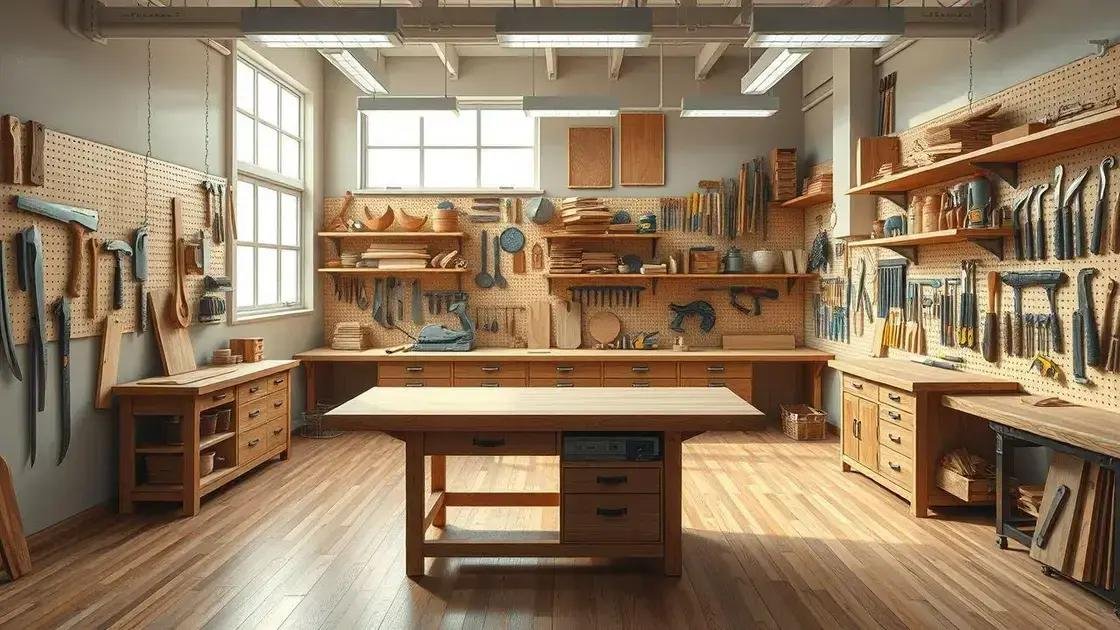
Designing your workspace for optimal workflow is essential in a woodworking shop. A well-thought-out layout can increase efficiency and make tasks easier to complete.
Plan Your Layout
Begin by planning your layout based on the flow of your work. Place equipment and tools in a way that minimizes movement. For example, keep your main workbench near the cutting area to reduce the time spent moving materials.
Zones for Different Tasks
Create distinct zones for different tasks. Designate areas for cutting, sanding, assembly, and finishing. This organization helps in keeping similar activities together, making it easier to switch between tasks without losing focus.
Accessibility
Ensure that all tools and materials are easily accessible. Use open shelving or pegboards for quick access to frequently used tools. Arranging items by size and usage frequency helps in retaining an organized and efficient workspace.
Ergonomics
Consider ergonomic principles when designing your workspace. Your workbench should be at a comfortable height to prevent strain. Additionally, maintaining a clear path to walk around can prevent accidents and improve workflow.
Good Lighting
Incorporate good lighting into your workspace design. Bright, even lighting reduces eye strain and helps you see details clearly. Use task lighting at your workbench and over cutting areas to enhance visibility.
By focusing on these design aspects, you can create a woodworking shop that enhances your workflow, boosts productivity, and makes the job more enjoyable.
Safety considerations in your woodworking shop
Ensuring safety in your woodworking shop is crucial for protecting yourself and others while working. By following some key safety considerations, you can create a secure working environment.
Personal Protective Equipment (PPE)
Always wear personal protective equipment when working with tools and materials. This includes safety goggles to protect your eyes, dust masks to filter out harmful particles, and ear protection to guard against loud machinery sounds.
Tool Safety
Familiarize yourself with the proper use of tools. Always read the user manuals and follow the manufacturer’s instructions. Keep your tools in good condition, checking for any damage before each use.
Workspace Organization
A well-organized workspace contributes to safety. Keep your workbench clear of clutter to avoid accidents. Ensure that all tools are stored properly when not in use to prevent tripping hazards.
Fire Safety
Woodworking can pose fire risks, so be sure to have a fire extinguisher readily available in your shop. Maintain a clean workspace to minimize dust accumulation, which can be highly flammable.
Emergency Preparedness
Have a plan in case of emergencies. Equip your shop with a first aid kit and know how to use its contents. Familiarize yourself with local emergency numbers and have an evacuation plan in place.
By taking these safety considerations seriously, you can create a safer woodworking shop and enjoy your projects with peace of mind.
Incorporating natural light into the layout
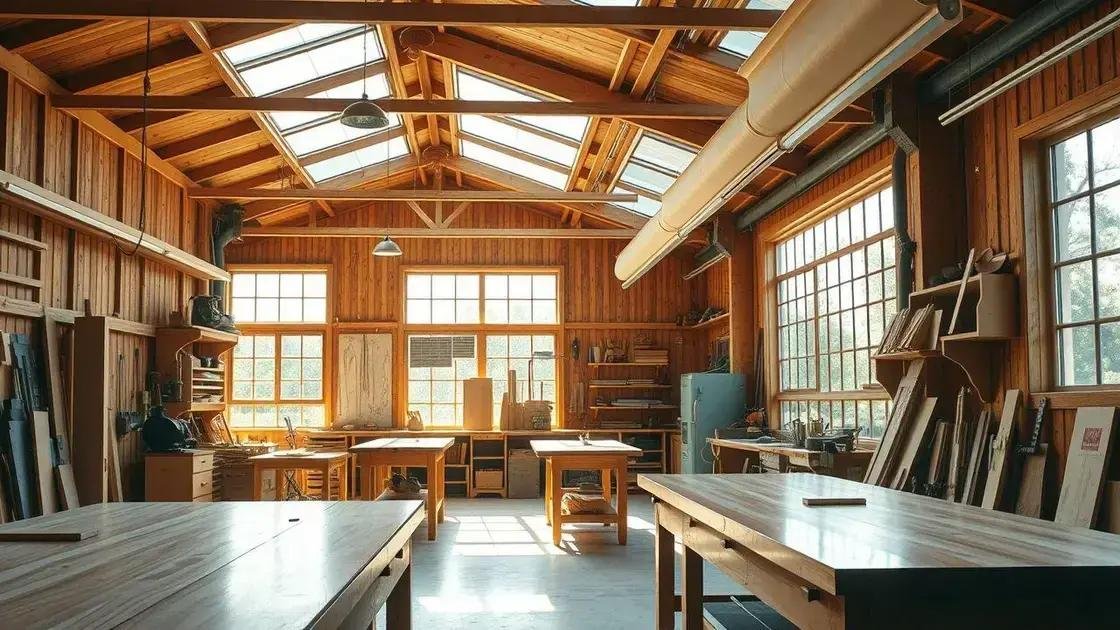
Incorporating natural light into your woodworking shop layout can significantly improve the workspace. Natural light boosts mood and helps you see details clearly while working on your projects.
Benefits of Natural Light
Utilizing natural light has various benefits. It can help reduce eye strain, lower energy costs, and create a more pleasant environment. Being in a brightly lit space can enhance your creativity and focus.
Window Placement
When designing your shop, consider window placement. Position windows where they can provide ample light without causing glare. Ideally, place them on the north or south side to take advantage of even sunlight throughout the day.
Skylights
If the layout allows, think about installing skylights. Skylights can bring in a significant amount of light while saving wall space for storage and tool organization. They can provide excellent overhead lighting while you work.
Light-Reflecting Surfaces
Incorporating light-reflecting surfaces, like white walls or glossy finishes, can help maximize the effectiveness of natural light in your shop. These surfaces will bounce light around the space, making it feel brighter and more open.
Adjustable Shading
Consider adding adjustable shading solutions, such as blinds or shades, to control the amount of light entering your shop. This allows you to reduce glare on sunny days while still benefiting from the natural light available.
By incorporating natural light into your woodworking shop layout, you can create a healthier, more productive environment that enhances your overall woodworking experience.
Utilizing vertical space in your workshop
Utilizing vertical space in your workshop is one of the best strategies for maximizing efficiency and organization. When working in a small area, every inch matters. Implementing creative storage solutions helps keep the floor clear and tools easily accessible.
Wall-Mounted Shelves
Install wall-mounted shelves to take advantage of vertical space. Use these shelves to store materials and tools used frequently. This keeps them at eye level and easy to grab, reducing the time spent searching for items.
Pegboards
A pegboard is a versatile solution for displaying tools and supplies. Hang tools on the pegboard by using hooks and clips, allowing for quick access. You can customize the layout by rearranging hooks as needed.
Overhead Storage
Consider adding overhead storage solutions like ceiling-mounted racks or shelves. This is a great way to store larger items such as lumber and seldom-used tools. Ensure that they are securely installed and easily accessible.
Vertical Tool Organizers
Use vertical tool organizers like carts or bins that stack. These can hold hand tools, fasteners, and other supplies while taking up minimal floor space. Keeping similar items together saves time and streamlines your workflow.
Creative Use of Doors
Don’t forget about door space. Hang storage bins or tool organizers on the inside of workshop doors. This is a smart way to utilize otherwise wasted space and keeps items easily accessible.
By effectively utilizing vertical space in your workshop, you can create a more organized and efficient workspace that enhances your woodworking experience.
Tips for personalizing your woodworking area

Personalizing your woodworking area can transform it into a space that inspires creativity and makes you feel more comfortable. Here are some tips for making your workshop uniquely yours.
Choose a Color Scheme
Select a color scheme that reflects your style. Painting the walls or adding colorful accents can make the environment more enjoyable. Bright colors can energize the space, while softer tones can create a calming atmosphere.
Add Personal Touches
Incorporate personal touches like photos, artwork, or mementos. Displaying items that inspire you or remind you of your passion for woodworking can create a welcoming environment.
Create a Tool Station
Designate a tool station where your most-used tools are organized and displayed. Use custom shelves or a pegboard to showcase your tools. This not only personalizes your space but also makes tools easily accessible.
Incorporate Plants
Add some greenery to your workshop with plants. They can improve air quality and add a touch of nature to your area. Choose plants that are easy to care for and thrive in indoor conditions.
Comfortable Work Area
Make your work area comfortable by investing in an ergonomic chair or stool. Ensure your workspace height is suitable for your tasks to minimize strain. Adding a small rug can also make the space feel cozier.
Lighting Options
Consider different lighting options that create the right atmosphere. Overhead lights can provide ample light, while task lamps can illuminate specific work areas. Colored or adjustable lights can help set the mood.
By personalizing your woodworking area, you can create a unique and inspiring environment that motivates you to work on your projects.
Creating Your Ideal Woodworking Shop
Designing the perfect woodworking shop takes thoughtful planning and creativity. By considering factors like layout, organization, safety, and personalization, you can create a space that not only enhances your workflow but also inspires you to work.
Utilizing vertical space, ensuring proper lighting, and incorporating personal touches can make a big difference in your woodworking experience. Remember that a safe workspace is essential for productivity, so always prioritize safety practices.
With the right tools and setup, your woodworking area can become a haven for creativity and craftsmanship. So, embrace these tips and start building your ideal workshop today!
FAQ – Frequently Asked Questions About Designing Your Woodworking Shop
What are the essential elements of a functional woodworking shop?
A functional woodworking shop should include a sturdy workbench, proper tool organization, safe storage for materials, good lighting, and ventilation.
How can I maximize space in my small woodworking shop?
Utilizing vertical space, including wall-mounted shelves and pegboards, and investing in compact, multi-use tools can help maximize your small workshop.
What safety gear should I use in my woodworking shop?
Essential safety gear includes safety goggles, dust masks, ear protection, and a first aid kit to ensure a safe working environment.
How can I personalize my woodworking area?
You can personalize your space by choosing a color scheme that reflects your style, adding personal touches like photos, and organizing tools in a way that makes you feel comfortable.
What are the benefits of incorporating natural light into my workshop?
Natural light can enhance mood, reduce eye strain, and create a more pleasant working environment, making your woodworking experience more enjoyable.
How do I ensure that my workshop is ergonomically friendly?
Invest in an ergonomic chair or stool, ensure your workspace height is appropriate for your tasks, and keep tools within easy reach to minimize strain.