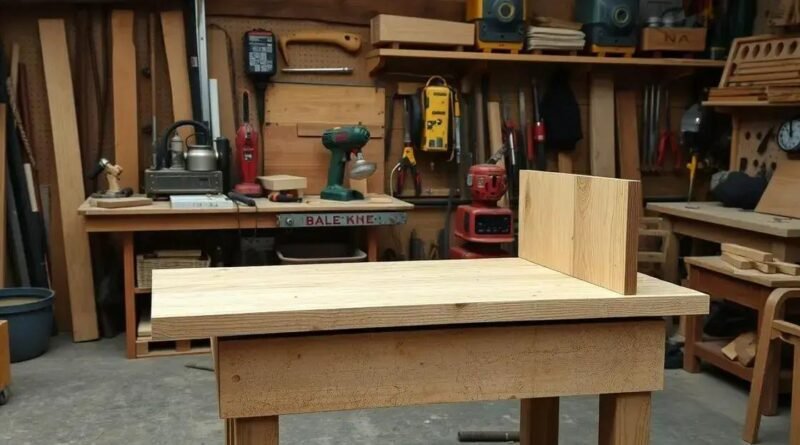
Simple weekend woodworking projects for adults to spark creativity
Simple weekend woodworking projects for adults include beginner-friendly ideas like birdhouses, picture frames, and shelves, allowing you to enhance your skills while enjoying the craft in a safe and organized workspace.
If you’re looking for simple weekend woodworking projects for adults, you’ve landed in the right place. Whether you’re a seasoned pro or just starting out, these projects can fuel your creativity and provide a sense of accomplishment. Ready to dive in?
Introduction to woodworking for adults
Woodworking is an enjoyable and rewarding hobby that allows adults to create beautiful and functional items. It combines creativity with craftsmanship, making it a fantastic way to unwind after a busy week. Whether you’re looking to make furniture, ornaments, or practical household items, woodworking can provide a sense of achievement.
The best part is that you don’t need to be a master craftsman to get started. With basic tools and a few simple techniques, you can create impressive pieces. As you progress, you’ll find yourself learning new skills and refining your techniques, which can be incredibly satisfying.
Getting Started in Woodworking
To start, you’ll need some essential tools. Basic tools include a saw, drill, hammer, and measuring tape. These will help you with most projects. As you gain experience, you might want to invest in more advanced tools like routers or sanders.
One great way to learn is by taking on simple projects like a birdhouse or a small bookshelf. These projects are manageable and provide a tangible outcome that can boost your confidence.
Finding a woodworking community, either online or locally, can also be very beneficial. Engaging with others who share your interest can offer support, ideas, and motivation. Plus, you’ll discover tips and tricks that can make your woodworking journey even more enjoyable.
Essential tools for weekend projects
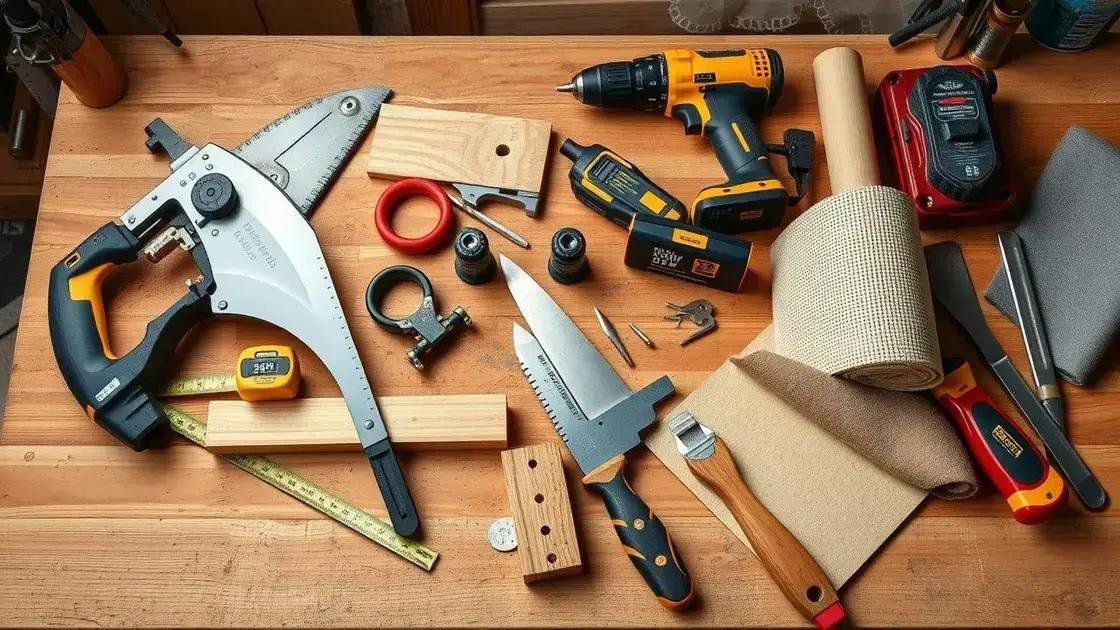
Having the right tools is crucial for successful woodworking projects. Here are some essential tools you need to get started with your weekend woodworking endeavors:
1. Saw: A good saw is fundamental. A hand saw or a circular saw can help you make precise cuts. Consider learning both for versatility in your projects.
2. Drill: A power drill is essential for making holes and driving screws. This tool will save you time and effort, making your woodworking tasks much easier.
3. Measuring Tape: Accurate measurements are vital in woodworking. Always have a measuring tape on hand to ensure your cuts are correct.
4. Square: A carpenter’s square helps you achieve right angles, which is necessary for building structures. It ensures your pieces fit together correctly.
5. Chisel Set: Chisels can help you refine your edges and add intricate details to your projects. They are handy for tasks such as removing excess wood.
6. Sandpaper: Once your project is assembled, sandpaper will help smooth the surfaces. You can choose different grits for various stages of sanding.
7. Safety Gear: Never neglect safety! Invest in safety glasses, ear protection, and dust masks to protect yourself while working.
These essential tools create a solid foundation for your woodworking toolbox. Starting with these will help you tackle a variety of projects confidently.
Beginner-friendly woodworking ideas
Starting with woodworking can be exciting and fulfilling. Here are some beginner-friendly woodworking ideas that are perfect for those new to the craft:
1. Wooden Birdhouse: This classic project is simple yet rewarding. You can customize the design and colors to attract local birds. It involves basic cuts and assembly that will boost your confidence.
2. Picture Frame: Building a picture frame is a practical project that can showcase your creativity. You will learn how to create mitered corners and apply finishes to enhance the wood.
3. Plant Stand: A plant stand allows you to practice vertical construction and can be made with minimal materials. It’s a great way to add charm to your home while learning more about joining techniques.
4. Simple Shelf: Creating a wall shelf is a straightforward project that adds functionality to any room. You can experiment with different shapes and sizes, making it a versatile choice for beginners.
5. Step Stool: This project offers a chance to practice stability in your builds. A step stool is useful around the house and allows you to work on your cutting and assembling skills.
6. Coasters: Making wooden coasters is a quick project that helps with sanding and finishing techniques. You can create sets as gifts or keep them for yourself to use at home.
These beginner-friendly woodworking ideas will help you gain skills and confidence as you progress in your woodworking journey. Start with one that excites you and have fun creating!
How to choose the right wood
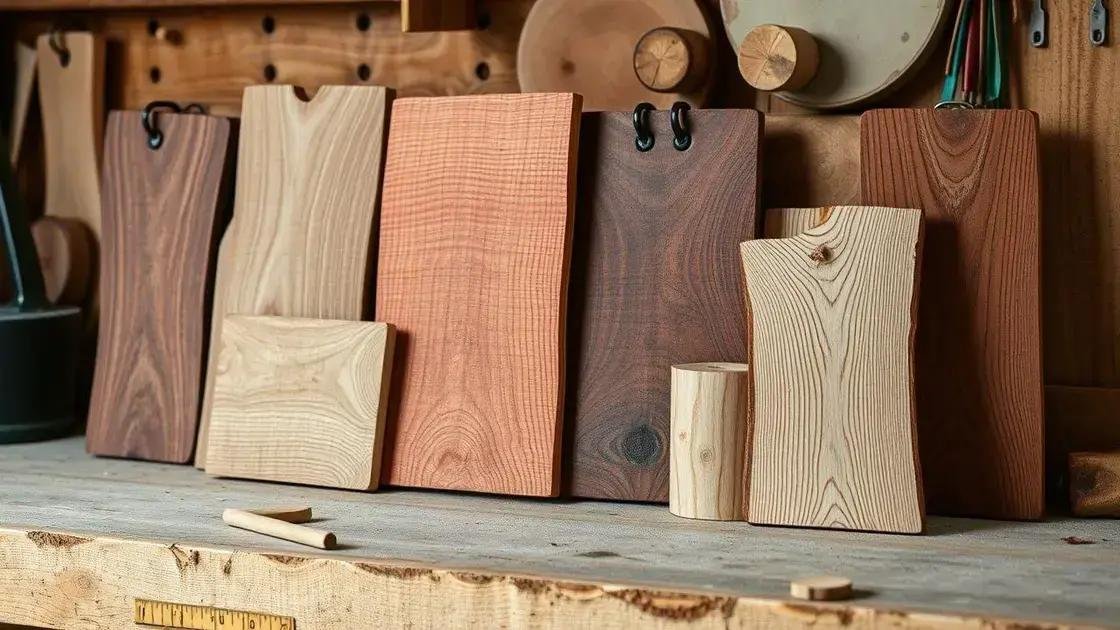
Choosing the right wood for your woodworking projects is essential for success. Different types of wood have unique properties that can affect the look and durability of your final piece. Here are some tips on how to choose the right wood:
1. Consider the Project: Think about what you are making. For furniture, you may want sturdy hardwoods like oak or maple. For decorative items, softer woods like pine may work well.
2. Understand Wood Grain and Texture: Wood comes in various grains and textures. Fine-grained woods, such as cherry, are excellent for a smooth finish, while coarser grains can add character. Choose based on the look you want.
3. Know the Wood’s Weight and Strength: Different woods have different densities. Heavier woods are often stronger and more durable, which is essential for items like tables or chairs that will bear weight.
4. Check for Sustainability: When possible, opt for sustainably sourced wood. Look for certifications like FSC (Forest Stewardship Council) to ensure the wood is harvested responsibly.
5. Consider Your Skill Level: Some woods are easier to work with than others. If you’re a beginner, you might prefer softer woods that are more forgiving and easier to cut and shape.
6. Look at Cost: Budget is always a consideration. Hardwoods are typically more expensive than softwoods. Plan your project and budget accordingly to ensure you choose a wood that fits your needs.
By keeping these factors in mind, you can make informed decisions on how to choose the right wood for your woodworking projects, ensuring they are both beautiful and functional.
Safety tips for woodworking
Safety is essential when it comes to woodworking. Here are some important safety tips for woodworking that every beginner and experienced worker should follow:
1. Wear Protective Gear: Always wear safety glasses to protect your eyes from flying debris. Additionally, ear protection is important when using loud tools, and dust masks can filter out harmful dust particles.
2. Keep Your Workspace Clean: A tidy workspace minimizes the risk of accidents. Keep tools organized and put away when not in use. Sweeping up wood shavings and dust regularly helps prevent slips.
3. Use Tools Properly: Always read the user manual before using any tool. Make sure you understand how to operate them safely and correctly. Never bypass safety features or guards on the machines.
4. Maintain Tools: Regularly inspect and maintain your tools to ensure they are in good working order. Dull blades can cause accidents, so keep them sharp and replace worn parts as needed.
5. Stay Focused: Avoid distractions while working. If you’re tired or stressed, take a break. Your concentration is key to maintaining safety while operating tools.
6. Secure Your Workpiece: Always use clamps to hold your workpiece securely in place while cutting or sanding. This prevents it from moving unexpectedly and causing injury.
7. Know Emergency Procedures: Be familiar with emergency procedures, such as where the first aid kit is located and how to contact emergency services. Having a plan in place will help in case of an accident.
By following these safety tips for woodworking, you can create a safer environment for yourself and others while enjoying this rewarding craft.
Finishing touches for your projects
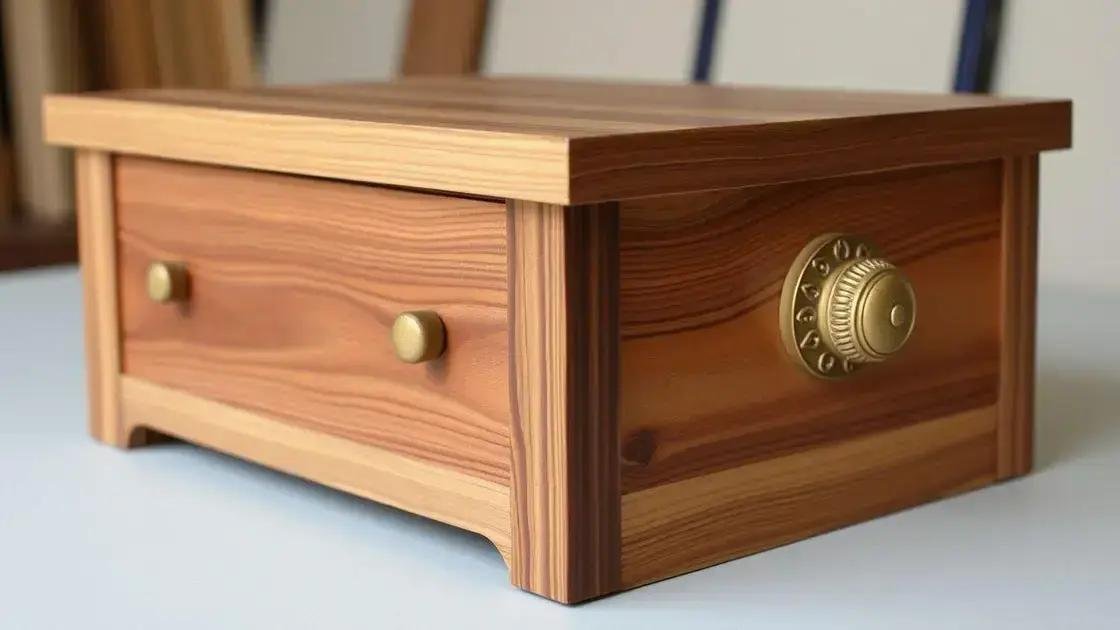
The finishing touches can elevate your woodworking projects, making them look polished and professional. Here are some key finishing touches for your projects:
1. Sanding: Start by sanding your project with progressively finer grits of sandpaper. Begin with a rougher grit to remove any noticeable imperfections, then move to finer grits to achieve a smooth finish. Always sand in the direction of the wood grain to avoid scratches.
2. Staining: To enhance the natural beauty of the wood, consider applying a stain. Stain comes in various colors, allowing you to customize the appearance of your project. Apply the stain evenly with a cloth or brush and wipe off excess to avoid blotches.
3. Sealing: After staining, it’s essential to seal your work. Sealing protects the wood from moisture, dirt, and wear. Use a clear polyurethane finish for durability. Apply multiple thin coats, allowing each coat to dry thoroughly before applying the next.
4. Painting: If you prefer a different look, painting is an option. Start with a primer to help the paint adhere better. Choose a high-quality paint suitable for wood surfaces and apply in thin, even coats.
5. Adding Hardware: Finishing touches like adding knobs, handles, or hinges can enhance the functionality and aesthetics of your project. Choose hardware that complements the style of your piece.
6. Final Inspection: Before declaring your project complete, do a final inspection. Check for any missed spots on sanding or finishing. Make any necessary adjustments to ensure your project looks its best.
By focusing on these finishing touches, you can transform your woodworking projects from good to outstanding, showcasing your skills and dedication to craftsmanship.
Creative storage solutions in woodworking
Finding the right storage solutions is essential for maintaining an organized woodworking space. Here are some creative storage solutions in woodworking to help you keep your tools and materials tidy:
1. Wall-Mounted Shelves: Utilizing wall space is a smart storage solution. Install sturdy shelves to hold tools, paint, and materials. This technique frees up floor space and keeps your essentials within reach.
2. Pegboards: A pegboard can be an excellent way to keep tools visible and easily accessible. Hang frequently used tools like hammers, saws, and wrenches on the pegboard, allowing for quick access and organization.
3. Tool Chests: Invest in a quality tool chest or toolbox to keep your smaller tools neat. These chests often come with compartments and drawers to organize bits, screws, and other accessories.
4. Rolling Carts: A rolling cart makes it easy to move tools around your workspace. You can load it with everything you need for a specific project and roll it to your work area, promoting efficiency.
5. Bins and Containers: Use clear bins or containers to categorize and store materials like screws, nails, and adhesives. Label each container for quick identification, which can save time when working on projects.
6. Overhead Storage: Make use of overhead space by installing racks or shelves in the garage or workshop. Store large items like lumber or rarely used tools above head height to free up floor space.
7. Modular Storage Systems: Many companies offer modular storage solutions that can be customized to fit your specific needs. Consider using stackable bins, shelves, and cabinets that you can arrange as necessary.
By implementing these creative storage solutions, you can enhance your woodworking workspace, making it more functional and enjoyable to work in.
Getting inspiration from woodworking communities

Woodworking communities can be a fantastic source of inspiration and knowledge. Engaging with others who share a passion for woodworking helps you grow as a craftsman. Here are some ways to get inspired:
1. Online Forums and Groups: Joining online forums or social media groups dedicated to woodworking allows you to connect with people worldwide. You can exchange tips, tricks, and project ideas. Websites like Reddit and Facebook have active woodworking communities.
2. YouTube Channels: Many skilled woodworkers share their expertise and project ideas through video tutorials. Watching these videos can inspire you with new techniques and designs. Look for channels that focus on projects suitable for your skill level.
3. Local Workshops: Participating in local woodworking workshops or classes can provide hands-on experience and mentorship. These settings foster creativity and allow you to learn from experienced woodworkers.
4. Woodworking Shows and Expos: Visiting woodworking shows or expos can spark new ideas. You can see the latest tools, products, and projects. Engaging with vendors and other enthusiasts can inspire future projects.
5. Books and Magazines: There are many books and magazines dedicated to woodworking that showcase a variety of projects and techniques. Browse through these resources for fresh ideas and expert advice.
6. Collaborate with Others: Consider collaborating on projects with other woodworkers in your community. Working together can lead to innovative designs and a shared sense of achievement.
By immersing yourself in these woodworking communities, you can find the motivation and inspiration needed to enhance your skills and take your projects to new heights.
Embrace Your Woodworking Journey
Woodworking is a fulfilling and creative hobby that offers endless possibilities for making beautiful and functional items. By exploring simple projects, using the right tools, and following safety guidelines, you can enjoy this craft while developing your skills.
Remember to draw inspiration from woodworking communities, whether online or locally. Engaging with others can spark new ideas and motivate you to take on exciting projects. With practice and patience, you’ll find joy in creating and mastering techniques in woodworking.
So gather your tools, unleash your creativity, and dive into the wonderful world of woodworking!
FAQ – Frequently Asked Questions about Weekend Woodworking Projects for Adults
What is a good first project for someone new to woodworking?
A wooden birdhouse is a great first project. It involves basic cuts and assembly, allowing beginners to practice essential skills.
What tools do I need to start woodworking?
Essential tools include a saw, drill, measuring tape, square, sandpaper, and safety gear. These will help you tackle various projects.
How can I safely operate woodworking tools?
Always wear safety glasses, keep your workspace clean, and read the tool manual before use. Following safety guidelines is crucial.
Where can I find woodworking inspiration?
You can find inspiration in online forums, YouTube channels, local workshops, and woodworking magazines. Engaging with the community is helpful.
How do I choose the right wood for my project?
Consider the type of project, the wood’s grain and texture, weight, strength, and budget. Each wood type has unique properties suitable for different uses.
What are some creative storage solutions for my woodworking space?
Utilize wall-mounted shelves, pegboards, rolling carts, and labeled bins to keep your tools and materials organized. Overhead storage is also effective.