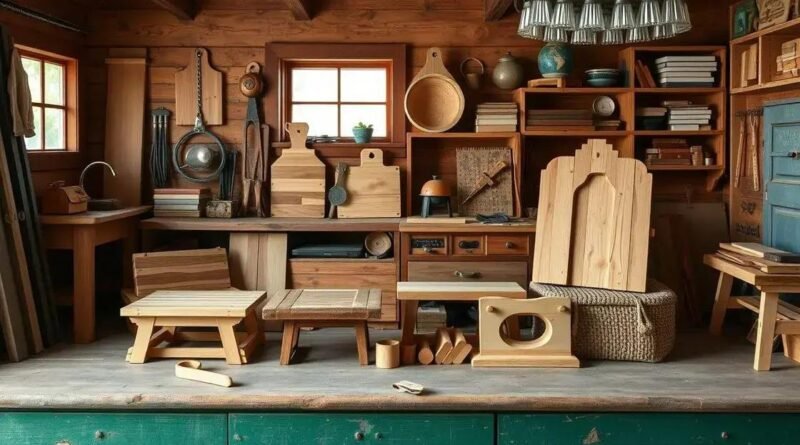
Simple weekend woodworking projects for adults that ignite your creativity
Simple weekend woodworking projects for adults include creating items like planter boxes, picture frames, and small bookshelves, providing a rewarding and creative outlet for beginners and experienced woodworkers alike.
If you’ve ever thought about diving into some simple weekend woodworking projects for adults, you’re not alone! Many find joy in creating unique items for their homes or gifts for loved ones. In this article, we’ll explore some fun and accessible ideas to kickstart your next woodworking adventure.
Choosing the right materials for your woodworking projects
When starting your woodworking projects, choosing the right materials is crucial for success. The type of wood you select can significantly impact the durability and appearance of your finished piece.
Types of Wood
There are many types of wood available, but they can generally be divided into hardwoods and softwoods. Hardwoods, like oak and cherry, are known for their strength and beautiful grain patterns. Softwoods, such as pine and cedar, are easier to work with and are often more affordable.
Understanding Grades of Wood
Wood is graded based on its quality and appearance. Higher grades have fewer knots and imperfections, making them ideal for visible surfaces. If your project requires a smooth finish, opt for a higher-grade wood.
Other Material Options
In addition to wood, consider using plywood or medium-density fiberboard (MDF) for projects that need flat surfaces or are budget-friendly. These materials can be great for cabinets and shelves.
Eco-Friendly Choices
For environmentally conscious woodworkers, there are sustainable options available. Look for wood certified by the Forest Stewardship Council (FSC), which ensures responsible management of forests.
Testing Your Material
Before committing to a large purchase, try out a sample piece of wood. This can help you gauge how well it works with your tools and finishes.
Essential tools every woodworker needs
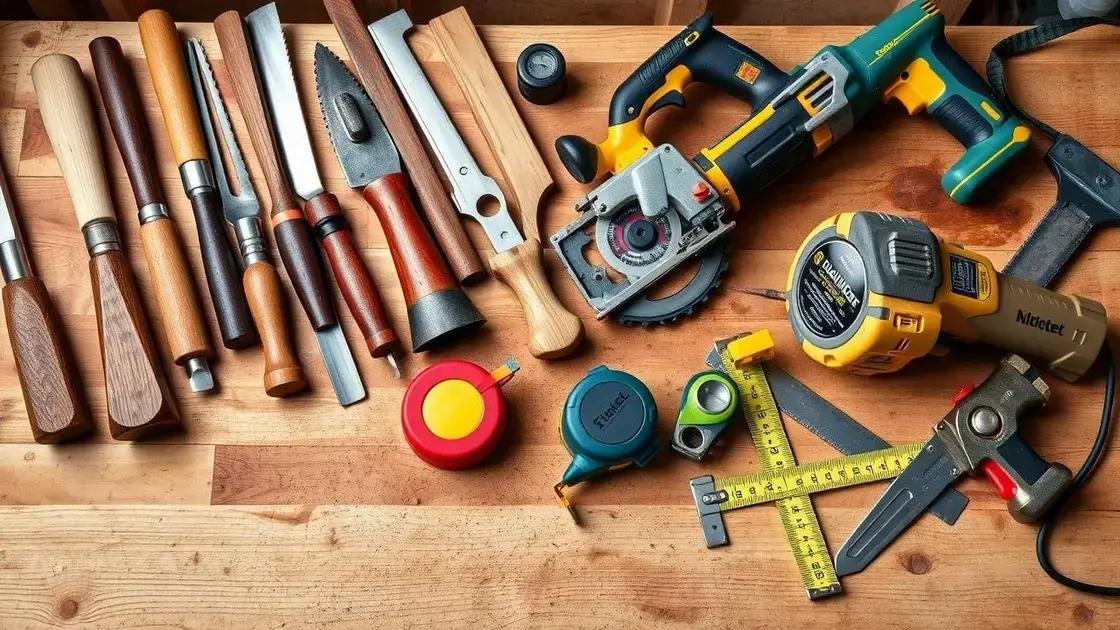
Every woodworker, whether a beginner or an expert, should have a set of essential tools for successful projects. The right tools not only make the job easier but also lead to better workmanship.
Hand Tools
Starting with hand tools, a chisel set is important for any woodworker. Chisels allow for precise cuts and details in your projects. A handsaw is also essential; it can make straight cuts with ease, especially in small spaces.
Power Tools
Power tools can speed up your woodworking tasks. A circular saw is useful for making quick, straight cuts in larger pieces of wood. For more intricate work, a jigsaw is great for curves and shapes.
Measuring Tools
Accurate measurements are key in woodworking. Invest in a tape measure and a square to ensure your cuts are precise. A level is also vital to check if surfaces are even during assembly.
Safety Gear
Safety should always come first. Wear safety goggles to protect your eyes from dust and debris. Additionally, a dust mask is important when sanding or cutting wood to avoid inhaling harmful particles.
Storage Solutions
Lastly, consider storage for your tools. A toolbox helps keep everything organized, while a workbench provides a stable surface for your projects.
Step-by-step guide for beginners in woodworking
Woodworking can be a rewarding hobby. Follow this step-by-step guide to start your journey with confidence and ease.
Step 1: Gather Your Tools
Before beginning, ensure you have essential tools. A handsaw, drill, and measuring tape are fundamental for any beginner. These will help you make accurate cuts and holes.
Step 2: Choose a Simple Project
Start with a simple project, like a shelf or a planter box. These projects don’t require complex skills and will give you a sense of accomplishment.
Step 3: Measure and Cut
Carefully measure your wood pieces according to your project specifications. Use a pencil to mark where you will cut. Ensure that you cut slowly and steady for clean edges.
Step 4: Assemble Your Project
Once all pieces are cut, it’s time to assemble. Use wood glue and screws to secure joints. Ensure everything is aligned correctly before tightening screws.
Step 5: Sand and Finish
After assembly, sand the surface to smooth out any rough edges. This will prepare your project for finishing. Choose a wood stain or paint to apply for a professional look.
Step 6: Enjoy Your Creation
After finishing, allow the project to dry. Enjoy stepping back and admiring your work, and feel free to showcase your new creation in your home!
Creative ideas for simple woodworking projects

If you’re looking for creative ideas for simple woodworking projects, you’re in the right place! These projects are not only fun but also practical for your home.
1. Wooden Planter Box
A wooden planter box is perfect for displaying your favorite plants. It’s easy to make, and you can customize the size and design to fit your space.
2. Picture Frame
Create a personalized picture frame for your photos. You can add decorative elements or paint it to match your home décor. This project also makes a great gift!
3. Simple Bookshelf
A simple bookshelf can help you organize your books. Use plywood for an affordable option, and customize it with paint or stains to enhance its look.
4. Cutting Board
Making a wooden cutting board is functional and stylish. Choose a hardwood for durability, and consider adding a handle or unique shape for a personal touch.
5. Birdhouse
A birdhouse is a fun project that adds charm to your garden. You can design it in various styles and paint it with bright colors to attract visitors.
6. Wall Art
Create unique wall art using scrap wood pieces. Cut them into shapes or letters and arrange them in a creative way on a canvas or directly on the wall.
7. Storage Crate
Build a wooden storage crate to keep your items organized. These are great for toys, blankets, or tools. You can stack them for added storage options.
8. Small Stool
Craft a small wooden stool. It can serve as extra seating or a decorative piece in any room. Personalize it with colors or patterns that match your style.
How to personalize your woodworking creations
Personalizing your woodworking creations adds a unique touch and makes each project your own. Here are some ways to customize your woodworking.
1. Choose Unique Shapes
When designing your project, consider unconventional shapes and sizes. Instead of a standard box or frame, experiment with curves and angles that can make your piece stand out.
2. Use Wood Stains and Paint
A coat of wood stain can enhance the natural grain of the wood while providing color. You can also use paint to incorporate vibrant colors or themes that match your home decor.
3. Add Personal Engravings
Engraving initials, names, or meaningful quotes can make your item special. Use a wood burning tool or a laser engraver for precise and beautiful designs.
4. Incorporate Mixed Materials
Mix different materials, like metal or glass, to create unique designs. A wooden frame can have metal accents or glass inserts for a fashionable look.
5. Utilize Decorative Hardware
Choosing decorative hardware, such as unique handles or hinges, can enhance the appearance of your creations. Look for vintage or handmade hardware to add character.
6. Experiment with Texture
Creating different textures on your wood can make it visually interesting. Consider techniques like distressing, carving, or sanding to give your piece a unique feel and look.
7. Finish with a Personal Touch
Finally, finishing touches like a protective coat or a special sealant not only protect your work but can also add to its aesthetic. Choose a finish that highlights the wood’s beauty while showcasing your personal style.
Tips for finishing and painting wood projects
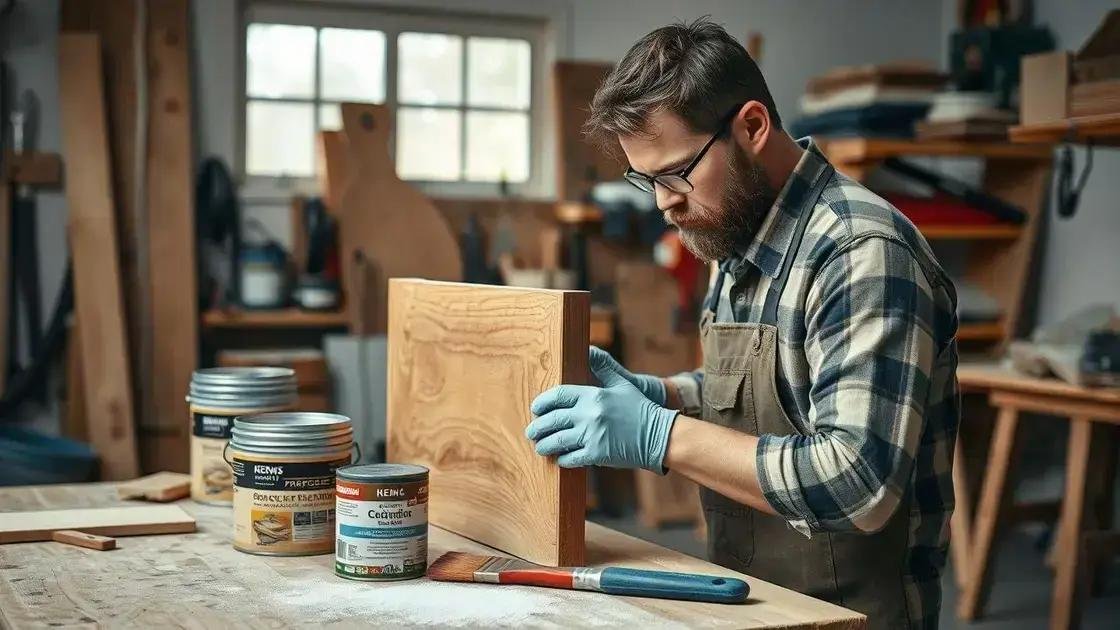
Finishing and painting your wood projects is an essential step to enhance their beauty and durability. Here are some valuable tips for finishing and painting wood effectively.
1. Prepare the Surface
Start by sanding the wood surface to smooth out any rough spots. Use a fine-grit sandpaper for a polished finish. Wipe away any dust with a damp cloth to ensure a clean surface for painting.
2. Choose the Right Primer
Applying a primer helps the paint adhere better and provides a more even color. Choose a primer specifically designed for wood surfaces. Apply it evenly and let it dry completely before painting.
3. Select Quality Paint
Use high-quality paint for better coverage and durability. Consider using water-based paints for indoor projects as they are low in odor and easier to clean up. For outdoor projects, opt for acrylic or oil-based paints that withstand weather conditions.
4. Use Proper Brush Techniques
When painting, use a good-quality brush or roller. Apply the paint in thin, even coats to avoid runs and drips. Use long strokes for a smoother finish and allow each coat to dry before applying the next.
5. Consider Staining
If you prefer to highlight the natural beauty of the wood, consider using a wood stain. Stains can add color while preserving the grain pattern. Apply it with a cloth or brush, following the wood grain for the best effect.
6. Protect Your Work
After painting or staining, apply a clear topcoat for protection. A polyurethane finish is ideal for sealing painted wood and provides an extra layer of durability. Choose between matte and glossy finishes based on your preference.
7. Allow Proper Curing Time
Give your finished piece enough time to cure. Follow the manufacturer’s instructions regarding drying and curing times for the best results.
Staying safe while woodworking at home
Safety is crucial when woodworking at home. Following these guidelines can help prevent accidents and ensure a safe working environment.
1. Wear Protective Gear
Always wear appropriate safety gear. This includes safety goggles to protect your eyes from dust and debris, ear protection to shield your hearing from loud tools, and a dust mask to avoid inhaling wood particles.
2. Keep the Workspace Clean
A tidy workspace can help prevent accidents. Make sure to keep the floor free of sawdust and debris. Clean up spills immediately and store tools and materials properly when not in use.
3. Use Tools Correctly
Read and follow the manufacturer’s instructions for each tool you use. Always use the right tool for the job, and never bypass safety features or guards.
4. Maintain Tools
Regularly check your tools for damage or wear. Sharp blades cut better and are safer than dull ones. Always keep your tools in top condition for effective performance and safety.
5. Ensure Proper Ventilation
Work in a well-ventilated area to minimize exposure to harmful fumes from paints, stains, and finishes. Open windows and use fans to keep air circulating.
6. Be Mindful of Your Surroundings
Keep children and pets away from your workspace. Ensure that you have enough room to work comfortably without hitting or bumping into objects.
7. Know Emergency Procedures
Be prepared for emergencies. Keep a first aid kit nearby and know how to use it. Familiarize yourself with emergency contacts and the location of nearby medical facilities.
Frequently asked questions about woodworking for adults

Here are some frequently asked questions about woodworking for adults, along with clear answers to help you get started and improve your skills.
1. What materials do I need to start woodworking?
To begin woodworking, you’ll need basic materials like wood, screws, nails, and glue. Choose a type of wood that suits your project, such as pine for beginners.
2. What are the essential tools for beginners?
Beginners should have essential tools such as a saw, drill, measuring tape, and sandpaper. A good workbench is also important for stability while working.
3. How do I choose the right type of wood?
Choosing wood depends on your project. Consider hardness, grain, and color. For furniture, hardwoods like oak are great, while softwoods like pine are easier to work with.
4. What safety precautions should I take?
Always wear safety glasses, a dust mask, and ear protection. Keep your workspace organized, and never work with faulty tools.
5. How can I improve my woodworking skills?
Practice is key! Start with simple projects and gradually tackle more complex ones. You can also find instructional videos and join local woodworking classes for guidance.
6. What should I do if I make a mistake?
Making mistakes is part of the learning process. Assess what went wrong and see if it can be fixed. Sometimes, a mistake can lead to a creative solution!
7. Can I use recycled wood for my projects?
Yes! Recycled wood is a great option. It adds character to your projects and is often more affordable. Just make sure to inspect it for any damage or pests.
8. How do I finish my woodworking projects?
To finish your projects, sand the surface smoothly and apply a sealant or stain. This will protect the wood and enhance its appearance.
In conclusion, woodworking can be a rewarding and enjoyable hobby
With the right tools, materials, and safety precautions, anyone can start creating beautiful wood projects at home. Whether you are making a simple shelf or a personalized gift, the skills you develop will grow with time and practice.
Remember to prioritize safety as you work and to seek out resources that can guide you along the way. From choosing the right wood to finishing your projects with care, every step leads to a fulfilling woodworking experience.
Embrace the creativity and satisfaction that comes with woodworking, and don’t hesitate to explore new techniques and projects!
FAQ – Frequently Asked Questions about Woodworking for Adults
What basic tools do I need to start woodworking?
To start woodworking, you’ll need essential tools like a saw, drill, measuring tape, and sandpaper.
Is it safe to use power tools for beginners?
Yes, as long as you follow safety guidelines, wear protective gear, and understand how to use the tools properly.
Can I use recycled wood for my projects?
Absolutely! Recycled wood can add character and is often more affordable. Just inspect it for damage before use.
How do I choose the right type of wood for my project?
Consider the project’s purpose. Softwoods like pine are easier for beginners, while hardwoods like oak are great for furniture.
What should I do if I make a mistake while woodworking?
Mistakes are part of the learning process. Assess the error, learn from it, and see if there’s a way to fix it.
How can I learn more about woodworking techniques?
There are many resources available, including online tutorials, books, and local workshops to help improve your skills.