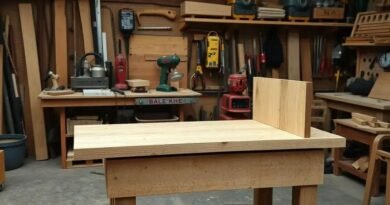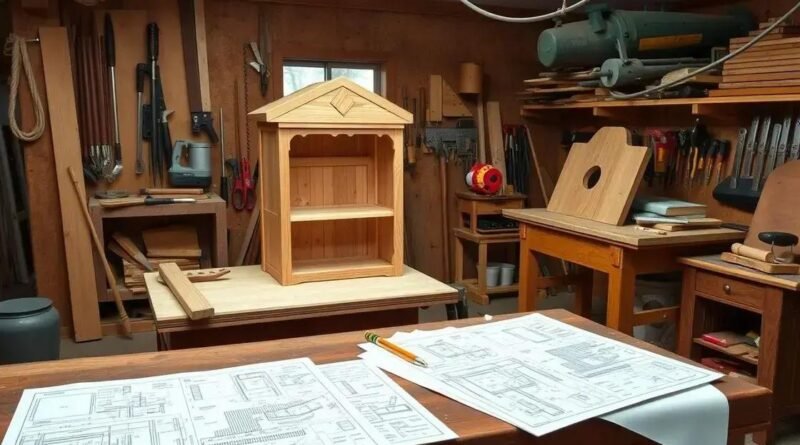
Easy woodworking projects for beginners with plans to create
Easy woodworking projects for beginners with plans provide a structured way to learn essential skills, offering simple tasks like birdhouses and planter boxes to build confidence and creativity in woodworking.
Are you ready to dive into the world of woodworking? Easy woodworking projects for beginners with plans can be a great way to start crafting beautiful pieces for your home. Whether you want to create something functional or decorative, there are plenty of projects to suit your skill level and inspire your creativity.
Understanding the basics of woodworking
Understanding the basics of woodworking is essential for anyone starting out. Woodworking combines artistic design and practical skills to deliver beautiful and functional items. Before diving in, take the time to learn some fundamental concepts.
Types of Wood
Wood comes in many types, classified into hard and softwoods. Hardwoods, like oak and maple, are used for furniture, while softwoods, like pine and cedar, are great for framing and basic projects. Knowing your materials will impact your final product.
Joinery Techniques
Joinery is the method of connecting pieces of wood. Popular techniques include butt joints, dovetail joints, and mortise and tenon joints. Each offers different levels of strength and aesthetics. Start with simple joints to gain confidence.
Measurement and Accuracy
Accurate measurement is crucial in woodworking. Invest in a good tape measure and square. Always measure twice before cutting once to avoid mistakes that can compromise your project.
Safety First
Working with tools demands attention to safety. Always wear protective gear like goggles and hearing protection. Familiarize yourself with your tools and follow safety guidelines to prevent accidents.
Woodworking opens up endless possibilities for creativity. So, equip yourself with these basic skills and start exploring the rewarding world of crafting.
Essential tools every beginner needs
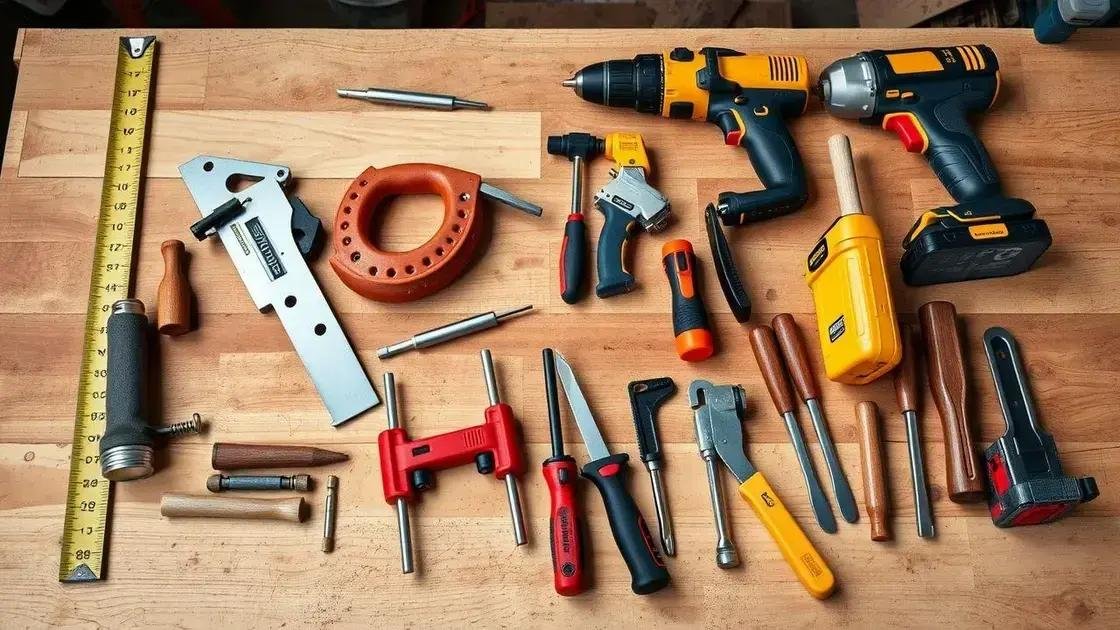
Getting started in woodworking requires some essential tools. Having the right tools can make the process easier and more enjoyable. Here is a list of must-have tools for beginners.
Tape Measure
A good quality tape measure is fundamental for any woodworking project. It allows for accurate measurements, ensuring that your cuts and joints fit correctly.
Square
A square is crucial for checking the accuracy of your cuts and ensuring that joints are square. It helps keep your work precise and professional looking.
Saws
For beginners, a hand saw or a power saw will be needed. A circular saw is versatile and great for making straight cuts, while a jigsaw is useful for curved cuts.
Drill
A power drill is essential for making holes and driving screws. It speeds up your work and allows for greater versatility in your projects.
Clamps
Clamps are helpful for holding pieces of wood together while glue dries or while you make cuts. They add stability to your work and help prevent mistakes.
Chisels
Having a set of chisels can enhance your woodworking skills. They are great for detailed work, allowing you to refine edges and create decorative elements.
Safety Gear
Don’t forget your safety gear! Protective eyewear and gloves are essential to keep you safe while working with tools.
Investing in these essential tools will set you on the right path to successful woodworking. Each tool plays a crucial role in different projects, making your woodworking experience rewarding.
Simple projects to kickstart your journey
Starting with some simple woodworking projects is a great way to develop your skills and gain confidence. Here are a few ideas that are suitable for beginners.
Birdhouse
A birdhouse is not only a fun project but also helps local wildlife. You can find many free plans online, making it easy to follow step-by-step instructions.
Wooden Planter Box
Creating a wooden planter box adds charm to your garden. This project can be done with minimal tools and can be customized in size to fit your space.
Shelf Unit
Building a simple shelf unit is a practical way to organize your belongings. Start with basic designs and expand as you gain more experience.
Picture Frame
A picture frame project is a perfect introduction to woodworking techniques such as measuring and cutting. You can personalize it to suit your home decor.
Coat Rack
A coat rack is a useful addition to any entryway. This project is straightforward, and you can even add hooks to personalize it further.
Cutting Board
Making a cutting board is not only practical but also enhances your kitchen’s aesthetic. You can use various wood types to create interesting patterns.
These simple projects allow you to practice your skills while creating useful items for your home. Start with one that interests you, and enjoy the process of building!
Step-by-step plans for your first project
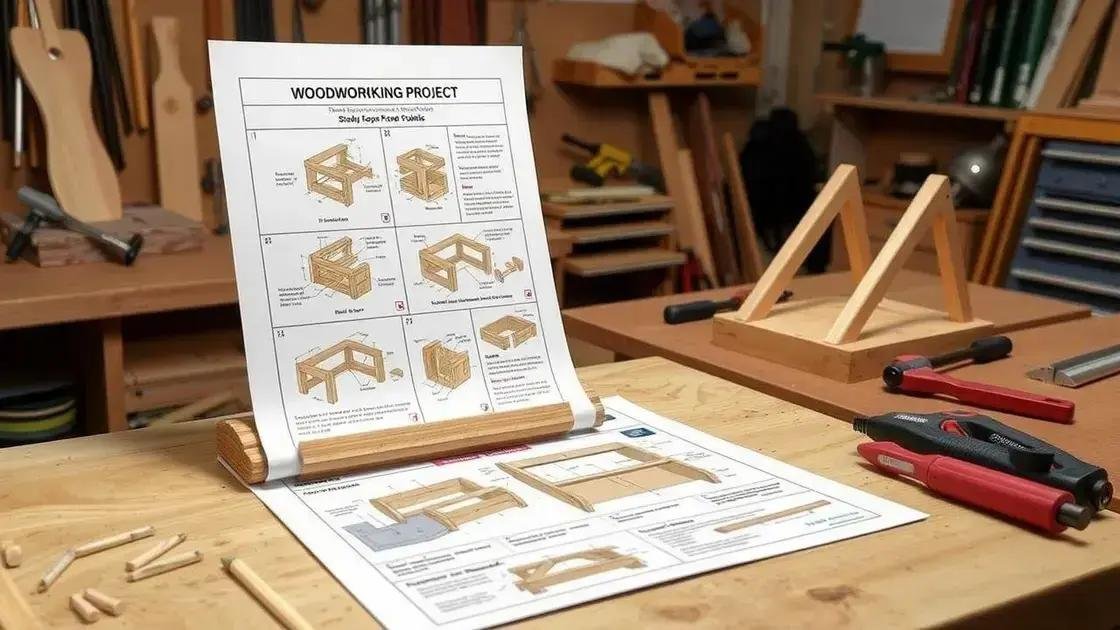
Having a clear step-by-step plan is crucial to successfully completing your first woodworking project. Here’s a simple guide to help you get started.
Select Your Project
Choose a project that suits your skill level. For beginners, a project like a birdhouse or a planter box is a great option. Ensure that there are available plans.
Gather Your Materials
Once you have selected your project, gather all necessary materials. This includes wood, screws, nails, glue, and finishes. Make a list to ensure you don’t forget anything.
Prepare Your Workspace
Set up a clean and well-lit workspace. Make sure you have enough room to move around and that all tools are within reach. Safety gear should also be at hand.
Follow the Plans
Carefully follow the plans you’ve chosen. Measure your wood pieces accurately and mark them clearly. Take your time and don’t rush through this process.
Make the Cuts
Use the appropriate saws to make your cuts. Always adhere to safety guidelines. Cut along your marked lines to ensure precision. Remember to double-check measurements.
Assemble the Project
Begin assembling your pieces according to the plan. Use clamps to hold pieces together while the glue dries. Ensure that everything is square and aligned correctly.
Finish Your Project
After assembly, sand edges and surfaces smoothly. You can apply stain or paint to enhance the appearance of your project. Allow it to dry completely before use.
By following these step-by-step plans, you will build your first project successfully and gain confidence for future woodworking endeavors!
Tips for choosing the right wood
Choosing the right wood is essential for the success of your woodworking projects. Different types of wood have different properties, and selecting the right one can make a big difference. Here are some tips for choosing the right wood.
Understand Wood Types
Familiarize yourself with the two main types of wood: hardwoods and softwoods. Hardwoods, like oak and walnut, are typically denser and more durable. Softwoods, such as pine and cedar, are lighter and easier to work with.
Consider the Project
Think about the project you’re working on. If you need strength and durability, hardwoods are best suited for furniture. For projects like birdhouses or simple frames, softwoods may be sufficient.
Check for Grain Patterns
Wood grain can affect the look of your project. Some grains are attractive and can add character, while others might look plain. Choose a wood type that matches your desired aesthetic.
Think About Cost
Cost can be an important factor when choosing wood. Hardwoods tend to be more expensive than softwoods. Set a budget and compare different wood species to find an option that meets both your needs and your budget.
Look for Sustainability
Consider sourcing your wood from sustainable sources. Look for certified woods that ensure environmentally responsible harvesting practices. This helps to protect forests and promotes responsible use of resources.
Test for Workability
Some woods are easier to work with than others. Before selecting wood, consider how it cuts, glues, and finishes. For beginners, wood types like pine or poplar can be great options due to their ease of handling.
By following these tips, you can choose the right wood for your projects, ensuring they are both beautiful and durable. Remember, the right wood can greatly enhance your woodworking experience!
Common mistakes to avoid when starting
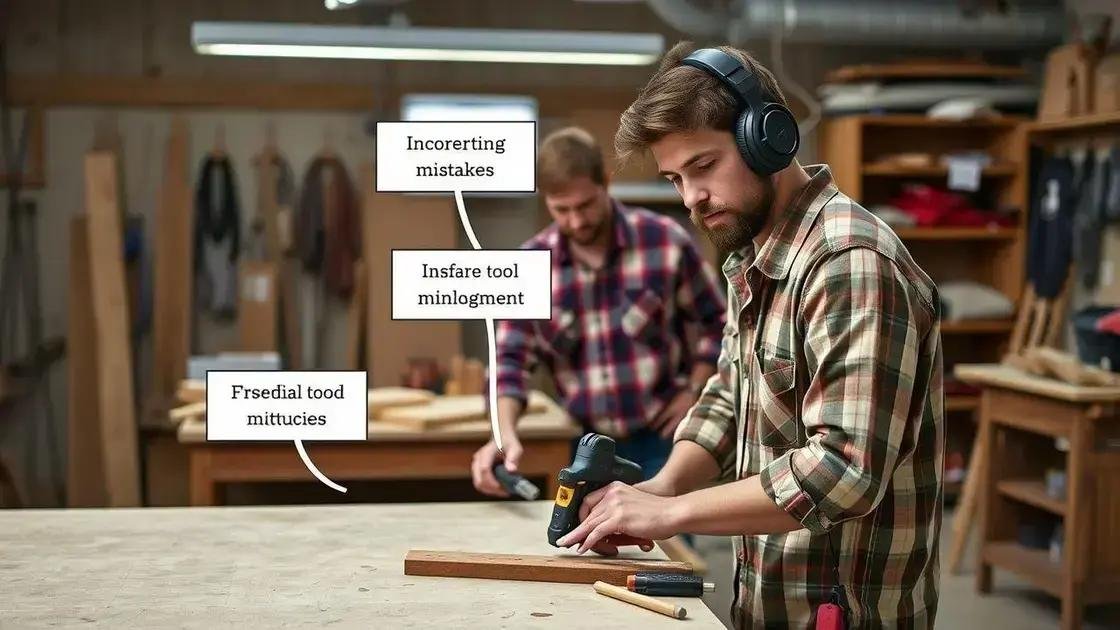
Starting your woodworking journey can be exciting, but it’s important to avoid common mistakes that can lead to frustration. Here are some common mistakes to avoid when starting.
Not Reading Plans Carefully
One major mistake is not taking the time to read the plans thoroughly. Make sure you understand each step before beginning. Skipping this can lead to errors and wasted materials.
Ignoring Safety Precautions
Safety should always be your top priority. Failing to wear protective gear, such as goggles and gloves, can lead to serious injuries. Always follow safety guidelines when using tools.
Choosing the Wrong Wood
Using the wrong type of wood can compromise your project. Be sure to select wood that fits your project’s needs. Hardwoods may be great for furniture, while softwoods are easy for small crafts.
Rushing the Process
Many beginners feel the urge to rush their projects to see results. This can lead to careless mistakes. Take your time to measure, cut, and assemble your pieces accurately for the best outcome.
Neglecting Measurements
Accurate measurements are crucial. Neglecting this can result in misaligned pieces. Always measure twice before cutting to ensure precision and effectiveness in your work.
Not Investing in Good Tools
Using low-quality tools can make your projects more difficult and dangerous. Invest in good-quality tools that can handle your projects safely and efficiently.
Forgetting to Sand Properly
Sanding is a step that some beginners overlook. Proper sanding will ensure that your project not only looks good but is also safe to use. Always finish your pieces with sanding to provide a smooth surface.
By being aware of these common mistakes, you can take steps to avoid them. With careful planning and attention to detail, you can enjoy a more successful woodworking experience!
How to measure and cut wood accurately
Measuring and cutting wood accurately is crucial for any woodworking project. Here are some essential tips to help you achieve precision.
Use a Reliable Measuring Tool
Always start with a good tape measure or ruler. Ensure your measuring tool is in good condition and free from damage. A tape measure with clear markings will help you measure lengths accurately.
Mark Your Measurements Clearly
When measuring, use a pencil to mark your cuts. Make sure to mark a clear line that is easy to see. You can also use a square to help mark a straight line across the wood.
Measure Twice, Cut Once
This well-known saying emphasizes the importance of double-checking your measurements. Before making any cuts, measure your wood twice to confirm accuracy. This reduces the possibility of mistakes and wasted materials.
Choose the Right Cutting Tool
Select the best tool for your cut. A hand saw is good for smaller projects, while a circular saw is better for larger pieces. Ensure that your saw is sharp for clean cuts.
Use a Straight Edge for Guidance
When cutting, use a straight edge as a guide. Clamping a straight board to your workpiece can provide a clear cutting line, helping you achieve a straight cut.
Practice Safe Cutting Techniques
Always prioritize safety when cutting wood. Use both hands to control your saw and keep your fingers away from the blade. Wear safety goggles to protect your eyes from dust and debris.
Check for Squareness
After cutting, check the pieces for squareness. If you are making joints, ensure they fit together correctly. Use a square to verify that all angles are 90 degrees.
By following these tips for measuring and cutting wood accurately, you can improve the quality of your woodworking projects and enjoy greater success in your craft!
Resources for woodworking inspiration

Finding inspiration for your woodworking projects can enhance your creativity and skills. Here are some valuable resources for woodworking inspiration.
Online Communities
Join online forums and communities dedicated to woodworking. Websites like Reddit and Woodworking Forums offer spaces to share ideas, showcase projects, and ask for advice from experienced woodworkers.
Social Media Platforms
Follow woodworking groups on social media platforms like Instagram and Pinterest. You can find a wealth of images and tutorials. Search for hashtags like #woodworking and #diyprojects to see what others are creating.
Books and Magazines
Explore woodworking books and magazines at your local library or bookstore. They often contain detailed plans and step-by-step guides for various projects. Look for titles that focus on beginner woodworking.
YouTube Channels
YouTube is an excellent platform for learning through videos. Many channels, like The Wood Whisperer and Make Something, offer tutorials and tips from experienced woodworkers. Watching these videos can spark new ideas.
Woodworking Blogs
There are many woodworking blogs that provide inspiration, project ideas, and tips. Check out blogs like Fine Woodworking and Wood Magazine. They usually feature detailed articles and project plans you can follow.
Workshops and Classes
Consider taking woodworking classes at local community centers or woodshops. These workshops can ignite your inspiration and connect you with fellow woodworkers and instructors.
By utilizing these resources, you can gather new ideas and techniques that will elevate your woodworking projects and keep your creativity flowing!
Embrace Your Woodworking Journey
Woodworking is a rewarding hobby that allows you to create beautiful and functional pieces. By starting with easy projects, gathering the right tools, and learning essential techniques, you can build your skills and confidence.
Avoiding common mistakes and choosing the right materials will enhance your experience. Don’t forget to seek inspiration from online resources, communities, and workshops to keep your creativity alive.
With the right approach and mindset, woodworking can be a fulfilling and enjoyable pursuit that yields impressive results. Dive into your next project and let your creativity shine!
FAQ – Common Questions About Woodworking for Beginners
What are the best projects for beginners in woodworking?
Some great beginner projects include making a birdhouse, a planter box, or a simple shelf. These projects help you practice basic skills.
What tools do I need to start woodworking?
Essential tools include a tape measure, saw, drill, clamps, and safety gear. Investing in quality tools is important for safety and efficiency.
How can I avoid mistakes when starting my first project?
Take your time to read the plans carefully, measure accurately, and follow safety precautions to minimize mistakes.
Where can I find inspiration for woodworking projects?
You can find inspiration from online communities, social media platforms, woodworking blogs, and books dedicated to woodworking.
Why is it important to measure and cut wood accurately?
Accurate measurements and cuts ensure that your pieces fit together correctly, which leads to better overall quality in your projects.
How can I find local woodworking classes?
Check community centers, local woodshops, or search online for woodworking classes in your area. These can provide hands-on experience and valuable skills.