Cordless drill vs corded drill for woodworking: which is better?
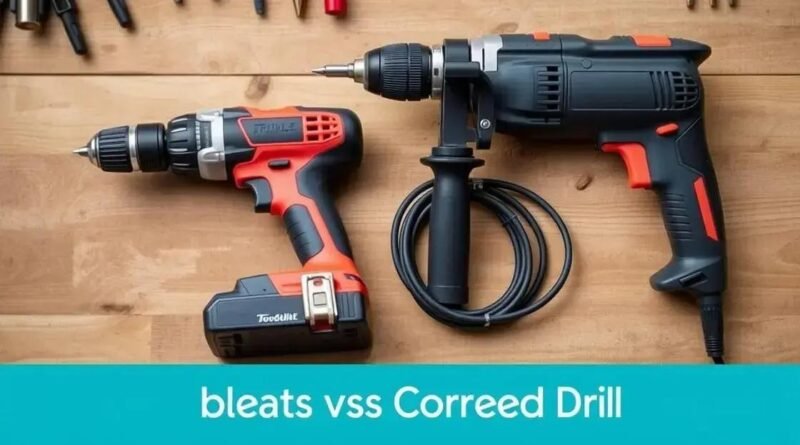
The choice between a cordless drill and a corded drill for woodworking depends on your needs, with cordless models offering mobility and convenience, while corded drills provide consistent power for heavy-duty tasks.
The debate of cordless drill vs corded drill for woodworking often leaves many confused. Each type has its strengths, and understanding these can make all the difference in your projects. Let’s dive in!
Understanding the basics of drills
Understanding the basics of drills is essential for any woodworking enthusiast. The two primary types of drills you should be aware of are cordless drills and corded drills. Each has its own unique features designed to suit various needs and preferences.
Cordless drills are powered by rechargeable batteries, allowing for great mobility. They are particularly useful in situations where you need to move around freely or work in locations without an electrical outlet. However, the battery life of cordless drills can limit the duration of work you can accomplish in one go.
On the other hand, corded drills are plugged directly into a power source, providing continuous power and eliminating the need for battery changes. This makes them great for lengthy tasks, especially in a fixed workshop setting. However, their mobility is restricted by the length of the power cord.
When choosing a drill, consider factors like power output, size, and weight. These characteristics will impact how comfortable and efficient you are while working on your woodworking projects.
Also, familiarize yourself with drill bits. Drill bits come in various types, such as twist bits, spade bits, and masonry bits, each serving different purposes. Selecting the right drill bit is crucial for achieving the desired results in your woodworking tasks.
Advantages of cordless drills for woodworking
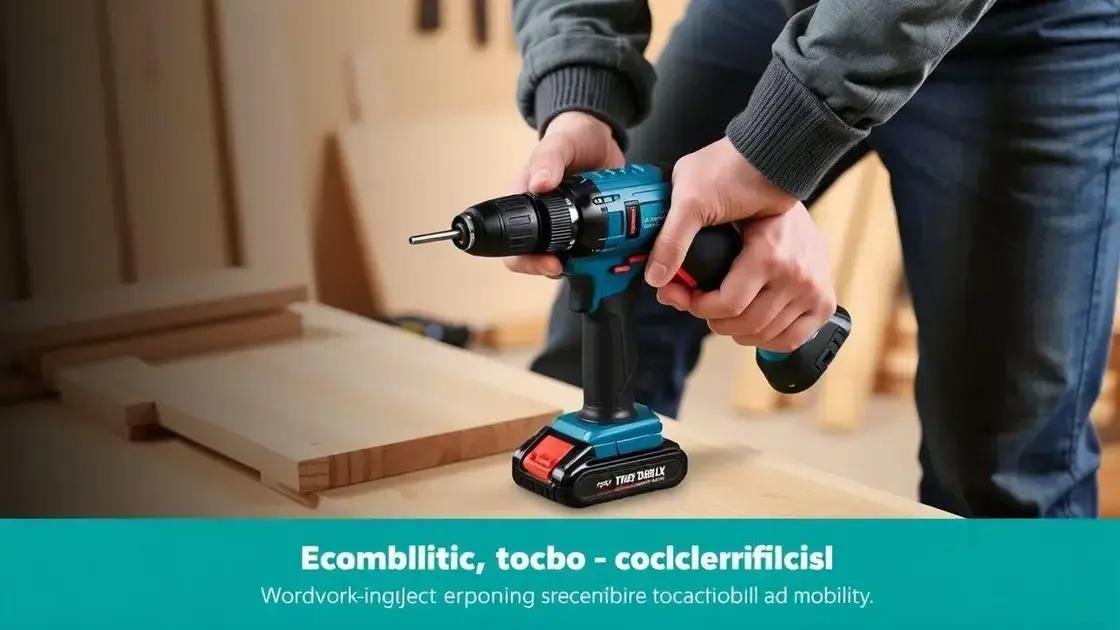
Cordless drills offer several advantages for woodworking enthusiasts that make them a popular choice. One of the biggest benefits is mobility. Since these drills operate on rechargeable batteries, you can take them anywhere without being limited by the distance from an electrical outlet.
Another advantage is the lightweight design. Cordless drills are generally lighter and more compact than their corded counterparts, making them easier to handle for long periods. This can be crucial when working on intricate projects that require precision and control.
Battery technology has improved significantly, providing extended run times and shorter charging times. Many modern cordless drills come with powerful lithium-ion batteries, allowing you to complete your tasks without frequent interruptions.
Additionally, cordless drills often feature an ergonomic design, which provides better grip and comfort. This is especially important in woodworking, where you may need to maintain control for detailed work.
Lastly, they often come with various settings and speeds that allow you to adjust power based on your task. This versatility makes cordless drills suitable for a wide range of projects, from simple assembly to more complex woodworking tasks.
Advantages of corded drills for woodworking
Corded drills have their own set of advantages that make them a reliable choice for woodworking tasks. One primary benefit is consistent power. Since they are plugged into an electrical outlet, you don’t have to worry about battery life. This allows you to work on projects for extended periods without interruptions.
Another significant advantage is the higher torque output that corded drills typically provide. This extra power can be especially useful for drilling through dense materials or handling larger-scale woodworking tasks that require strength and durability.
Corded drills are often smoother to operate because they do not have battery fluctuations. They provide steady performance, ensuring that every drill bit operates at optimal speed and power.
Additionally, corded drills tend to be lighter than their cordless counterparts since they don’t need to carry a battery. This makes them easier to handle for some users, especially during long projects that involve precision.
Lastly, they usually come with a broader range of features, such as variable speed controls and different modes, enhancing their versatility in various woodworking applications. These features allow for more control and adaptability when working with different materials and drill bit types.
Choosing the right drill battery
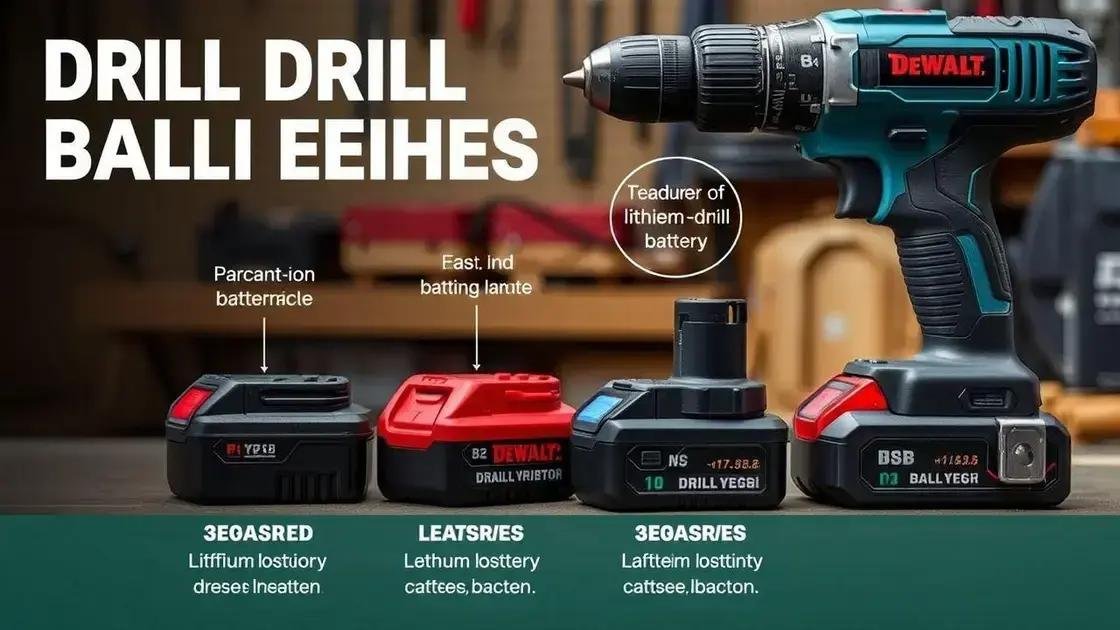
Choosing the right drill battery is crucial for optimizing your cordless drill’s performance in woodworking. One of the key factors to consider is the battery type. Most modern cordless drills use lithium-ion batteries, which offer a higher energy density and longer lifespan compared to traditional nickel-cadmium batteries.
Another important aspect is the voltage rating. Higher voltage batteries provide more power. For woodworking tasks that require significant torque, a battery with a voltage between 18V and 20V is often recommended. However, lighter tasks may require a battery with a lower voltage.
Battery capacity is also essential. This is usually measured in amp-hours (Ah). A higher Ah rating indicates a battery that can deliver power for a longer time before needing a recharge. For serious woodworking projects, look for batteries with at least 2.0 Ah for adequate run time.
Furthermore, consider the compatibility of the battery with your drill. Make sure the battery is designed specifically for your drill model. Some brands offer interchangeable batteries across various models, which can be beneficial.
Lastly, keep an eye on the charging time. Fast charging batteries can be a significant advantage, as they allow you to get back to work quickly. Some batteries can charge in less than one hour, making them great for busy woodworkers.
Torque and power: what you need to know
Torque and power are essential concepts to understand when using drills, especially for woodworking. Torque refers to the rotational force that a drill can exert. A drill with higher torque can handle tougher materials, allowing you to drive screws and drill holes in dense woods more effectively.
Power, measured in watts or voltage, indicates how much energy the drill uses to operate. High-power drills usually deliver better performance, particularly for demanding tasks. In woodworking, a drill that provides at least 18V is often sufficient for most applications.
It’s crucial to match the torque and power to the requirements of your project. For example, if you are drilling into hardwoods or working with large screws, you will need a drill that offers high torque at higher speeds.
Modern drills often come equipped with adjustable torque settings. This feature allows you to choose different torque levels depending on whether you are drilling or driving screws. Using the right setting can prevent damage to materials and ensure a polished finish.
Moreover, many drills also have dual speed settings, which provide flexibility. A slower speed is ideal for high-torque applications like driving screws all the way in, while a faster speed is great for drilling holes quickly.
Best practices for using drills in woodworking
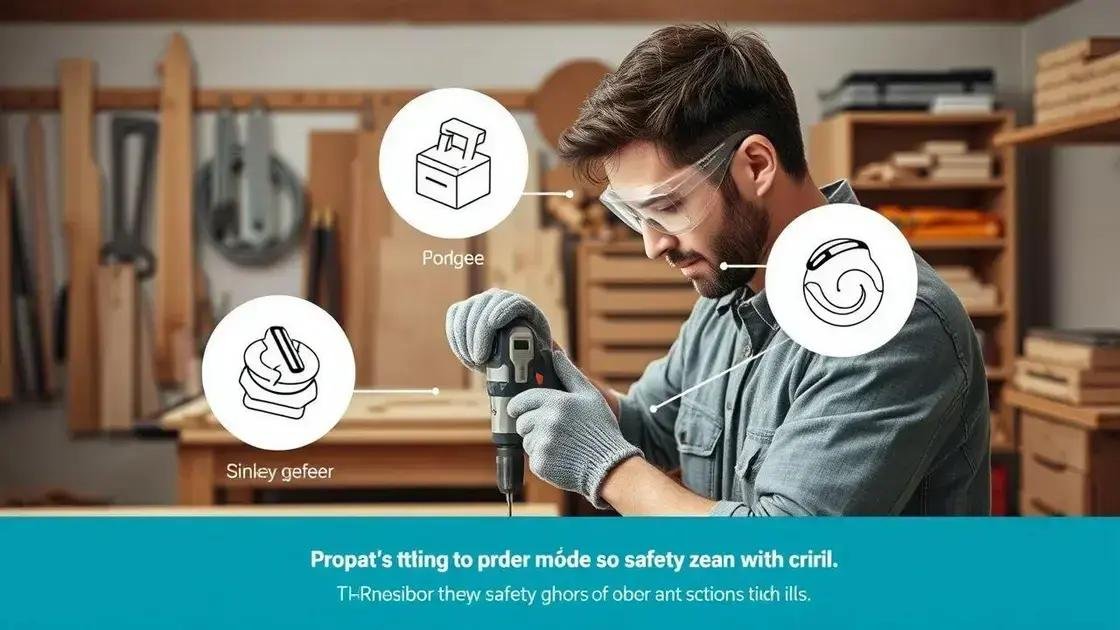
Using drills in woodworking requires skill and attention to detail. To achieve the best results, it is essential to follow some best practices. First, always choose the right drill bit for the material you are working with. For example, use spiral drill bits for wood and masonry bits for concrete.
Next, ensure that your drill is well-maintained. Regularly check for wear and tear, especially on the drill bits. A dull bit can damage the material and make the task harder. Always keep extra bits on hand to avoid interruptions during your project.
When starting to drill, it is crucial to maintain a firm grip on the drill. Use both hands for better control, especially when drilling into hard materials or at awkward angles. This practice enhances precision and safety.
Another important tip is to start at a low speed when drilling to prevent the bit from slipping. Once the bit has engaged the material, you can increase the speed for efficiency. Always apply even pressure to maximize the effectiveness of the drill.
Finally, consider wearing safety gear such as goggles and gloves. Protecting your eyes and hands is essential, as wood shavings and debris can cause injuries. Following these best practices can lead to better outcomes and a safer working environment.
Maintenance tips for drills
Proper maintenance of your drills is key to extending their lifespan and ensuring they perform effectively. Start with regular cleaning. After each use, wipe down the drill to remove dust and debris. Pay special attention to the ventilation slots and chuck area, as buildup can affect performance.
Check the drill bits regularly for signs of wear or damage. Dull bits should be replaced or sharpened to maintain effective drilling. A good rule of thumb is to replace bits that show significant wear or have lost their cutting edge.
Another important aspect is battery care for cordless drills. Avoid letting lithium-ion batteries fully discharge, as this can reduce their lifespan. Charge them regularly and store them in a cool, dry place to ensure they remain in good condition.
For corded drills, inspect the power cord for any frays or damage. If you notice any issues, replace the cord immediately to prevent electrical hazards. Keeping the drill in a protective case or on a shelf can also help prevent accidental damage.
Lastly, refer to the manufacturer’s recommendations for specific maintenance tasks. Follow guidelines for lubrication and servicing to keep your drill operating smoothly. Regular maintenance helps to improve safety and keeps your tools effective on the job.
Real user experiences and reviews

Real user experiences can provide valuable insights into the effectiveness of different drills for woodworking. Many users have shared their opinions on both cordless and corded drills. For instance, a common theme among cordless drill users is the convenience and mobility they offer. One user mentioned that they appreciated being able to move freely without cords getting in the way, especially while working on outdoor projects.
On the other hand, users of corded drills often highlight their power and reliability. A carpenter noted that they prefer a corded drill for heavy-duty tasks, stating that the consistent power helps achieve better results in tougher materials. They also appreciate not having to worry about battery life during long work sessions.
Another important aspect of user reviews is the ease of use. Many users comment on how ergonomic designs of modern drills make them comfortable to hold, which is crucial for lengthy projects. Some users also mention features like variable speed settings and adjustable torque as essential for versatility in various tasks.
Furthermore, ratings and reviews on platforms like Amazon and woodworking forums can guide potential buyers. Understanding what real users think about durability, ease of maintenance, and overall satisfaction can help you make informed decisions.
Finally, seeking out video reviews or tutorials on social media platforms can provide practical demonstrations of drill performance in real-world scenarios, giving you a clearer picture of what to expect.
In summary, choosing the right drill for woodworking
Choosing between a cordless drill and a corded drill depends on your needs. Cordless drills offer great mobility and convenience, making them ideal for projects where you move around a lot.
On the other hand, corded drills provide consistent power, which is essential for tougher tasks. Understanding the differences in torque, battery maintenance, and user experiences can help you make an informed decision.
By following best practices for using and maintaining your drill, you can ensure better performance and longer life for your tools.
Ultimately, investing time in learning about drills will improve your woodworking projects and make your work more enjoyable.
FAQ – Frequently Asked Questions about Drills for Woodworking
What is the main difference between cordless and corded drills?
The main difference is that cordless drills run on batteries, offering mobility, while corded drills are plugged into an outlet, providing consistent power.
How do I choose the right drill bit for my project?
Choose the right drill bit based on the material you’re working with. For wood, use spiral bits; for concrete, use masonry bits.
How do I maintain my drill to ensure it lasts longer?
Regularly clean your drill, check for worn bits, inspect the power cord, and follow the manufacturer’s maintenance guidelines.
What should I consider when selecting a drill battery?
Consider the battery type (lithium-ion is preferred), voltage rating for power, amp-hour capacity for longer run time, and compatibility with your drill.
Why is torque important when using a drill?
Torque is the rotational force of the drill. Higher torque allows you to work more effectively with tougher materials, improving performance in woodworking.
Where can I find reliable user reviews for drills?
You can find reliable reviews on e-commerce websites, woodworking forums, and video platforms where users share their experiences and demonstrations.