Best wood for woodworking projects: find the perfect fit for your needs
The best wood for woodworking projects includes hardwoods like oak and maple for durability, while softwoods like pine are ideal for beginners, with sustainable sourcing and proper finishing techniques ensuring quality results.
When it comes to woodworking, choosing the best wood for woodworking projects can make all the difference. Are you unsure which type to pick for your next project? Let’s explore some exciting options together!
Understanding different types of wood
Understanding different types of wood is crucial for any woodworking project. Each type of wood has its unique properties that can affect the final outcome of your work. Common types include hardwoods like oak, maple, and walnut, and softwoods such as pine, cedar, and fir.
Hardwood Basics
Hardwoods come from deciduous trees that lose their leaves each year. These woods tend to be denser and more durable, making them ideal for furniture and cabinetry. Oak, for example, is popular for its strength and beautiful grain, while maple offers a smooth finish that works well for a variety of projects.
Softwood Characteristics
Softwoods are derived from coniferous trees, which usually have needles and cones. They grow faster and are generally less expensive than hardwoods. Pine is widely used in construction and is known for its workability, while cedar is resistant to moisture and decay, making it great for outdoor projects.
Specialty Woods
In addition to common hardwoods and softwoods, there are specialty woods like mahogany and cherry that offer distinct colors and grain patterns. These woods are often used for high-end furniture and decorative items. Each type contributes to the aesthetic and functional aspects of a project, so it’s worth exploring different options.
Characteristics of hardwood vs softwood
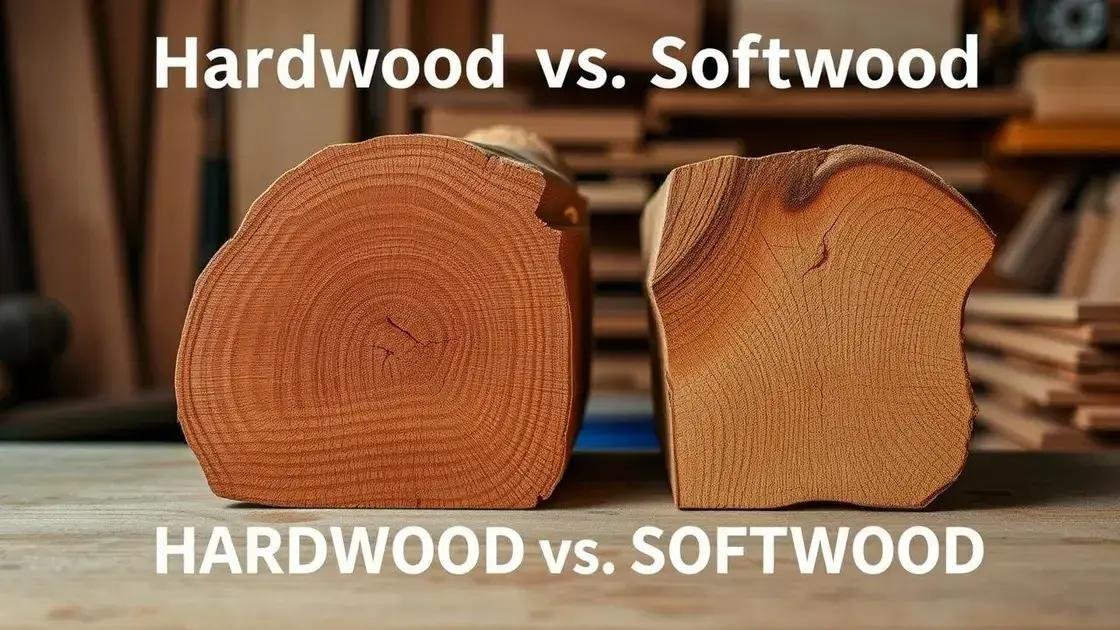
When comparing hardwood and softwood, understanding their characteristics helps in choosing the right material for your project. Each type has unique features that affect durability, appearance, and usability.
Hardwood Characteristics
Hardwoods, derived from deciduous trees, are typically dense and robust. This gives them strength and makes them suitable for furniture, flooring, and other uses that require durability. They often have rich colors and striking grain patterns, which enhance the aesthetic appeal of projects.
Common Hardwoods
Popular hardwoods include oak, maple, cherry, and walnut. Oak is known for its toughness and beautiful grain, while maple is favored for its creamy complexion and smooth surface. Cherry darkens over time, adding character, and walnut is prized for its dark hue and striking patterns.
Softwood Characteristics
Softwoods, on the other hand, come from coniferous trees and are generally lighter and easier to work with. They grow faster and are more cost-effective. However, they may not offer the same level of durability as hardwoods. Softwoods are often used in construction, cabinetry, and decorative applications.
Common Softwoods
Pine, spruce, cedar, and fir are common softwoods. Pine is soft and easy to shape, making it a favorite among beginner woodworkers. Cedar is naturally resistant to decay and insects, which is great for outdoor projects, while spruce and fir are widely used in building structures.
Choosing between hardwood and softwood often depends on the specific needs of your project. Consider factors such as durability, appearance, and cost to make the best choice.
Choosing wood based on your project
Choosing the right wood based on your project is essential for achieving the best results. Different projects require specific types of wood to meet functional and aesthetic needs. Here are some factors to consider when making your selection.
Project Type
First, identify the type of project you are undertaking. For example, furniture pieces like tables and chairs often benefit from hardwood due to their strength and durability. On the other hand, softwoods can be suitable for decorative items or crafts.
Environmental Conditions
Consider the environmental conditions the item will be exposed to. If your project will be outside or in a humid area, choosing wood like cedar or redwood, which are naturally resistant to moisture and decay, is a smart decision.
Workability
Next, think about workability. Some woods are easier to cut, shape, and finish than others. Pine, for instance, is soft and easy to work with, making it ideal for beginners. If you have advanced skills, you might enjoy working with harder woods like oak or maple.
Finish and Aesthetics
The finish you want also affects your wood choice. Woods like cherry and walnut have beautiful grain patterns that look stunning when finished. If you plan to stain or paint your project, softer woods like poplar can be easier to modify.
Budget
Lastly, consider your budget. Hardwoods tend to be pricier than softwoods, so factor this into your decision. If you’re on a budget, using softwoods for structural parts and hardwoods for visible surfaces can be an effective strategy.
Best practices for cutting and shaping wood

When it comes to woodworking, following the best practices for cutting and shaping wood can make a significant difference in the quality of your projects. Here are some essential tips to ensure precision and safety while working with wood.
Using the Right Tools
Always start with the right tools for each task. A sharp saw is vital for making clean cuts. Consider using a table saw for straight cuts and a jigsaw for curves. Having the right tool can help you achieve better results and minimize effort.
Measuring Accurately
Measure twice and cut once. Accurate measurements prevent wasted wood and ensure your pieces fit together correctly. Use a reliable tape measure and mark your wood clearly with a pencil or marking knife.
Cutting Techniques
When cutting, use smooth and steady motions. Don’t rush the process; let the tool do the work. For best results, start with the wood supported properly to avoid any movement that may lead to inaccurate cuts.
Shaping Wood Safely
For shaping, use the appropriate methods such as sanding or routing. Always wear safety gear, including goggles and a dust mask, to protect yourself from debris. Sanding should be done in increments to achieve a smooth finish without removing too much material at once.
Proper Setup
Ensure your workspace is clean and well-lit. A clutter-free area reduces the chances of accidents. Place your wood securely on a stable surface or clamps to keep it in place while cutting or shaping.
Finishing Touches
After cutting and shaping, take time to finish your wood. Smooth edges and surfaces can improve aesthetics and safety. Use sandpaper with varying grits to get the desired finish, and don’t forget to apply a protective sealant or stain to enhance durability.
Finishing techniques for a polished look
To achieve a polished look in your woodworking projects, mastering finishing techniques is essential. Finishing not only enhances the beauty of the wood but also protects it from damage. Here are some key techniques to consider.
Sanding
Sanding is a crucial first step in finishing wood. Start with a coarser grit sandpaper to remove any rough spots, then gradually move to finer grits for a smooth finish. Always sand in the direction of the wood grain to avoid scratches.
Staining
Staining can add color and highlights to your wood project. Choose a stain that complements the natural grain of the wood. Apply the stain with a clean cloth or brush and wipe off any excess after a few minutes to achieve your desired shade.
Sealing
After staining, it’s important to seal the wood to protect it from moisture and wear. Sealants can be applied in various forms, including polyurethane, shellac, and varnish. Each has unique properties, so choose one based on the level of protection needed.
Applying a Finish
Applying a finish like lacquer or polyurethane can give your wood a shiny, professional look. Use a brush or spray can for an even application. Always follow the manufacturer’s instructions for drying times and recoating to ensure a flawless surface.
Final Touches
After the finish has dried, inspect your work for imperfections. Lightly sand any rough spots and apply an additional coat if necessary. Buffing the surface with a soft cloth can enhance the shine and luster of your project.
Common mistakes when selecting wood
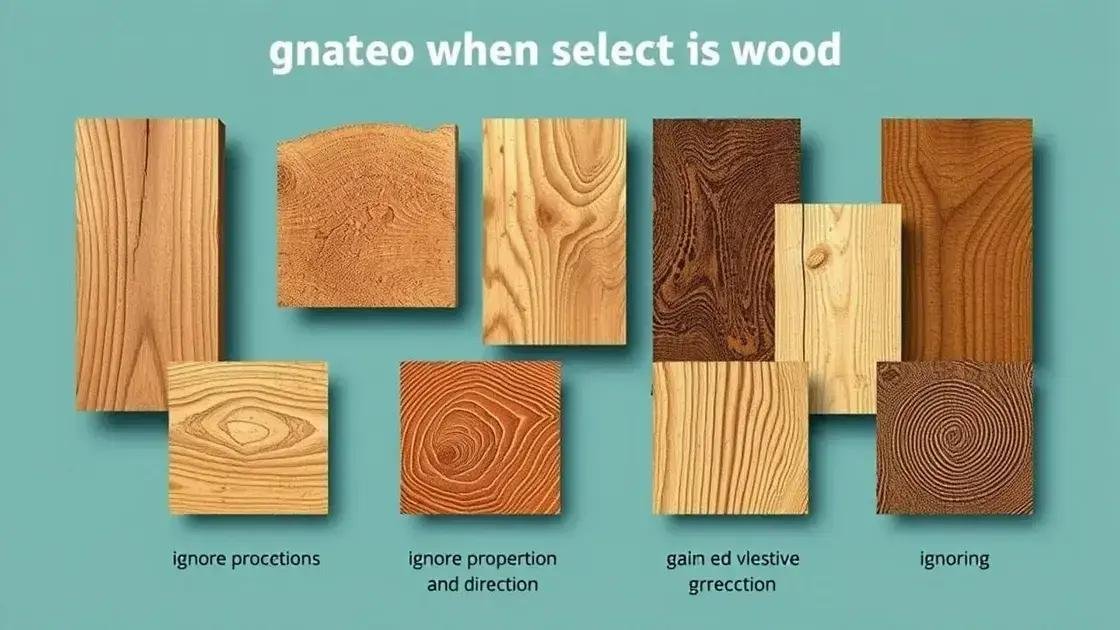
Choosing the right wood for your project can be challenging, and there are several common mistakes that many people make. Being aware of these can help you make better decisions and achieve the best results.
Overlooking Wood Properties
One common mistake is not considering the unique properties of different woods. Hardwoods and softwoods have distinct characteristics that affect their durability and suitability. Always research the specific wood type to understand its strengths and weaknesses before using it.
Ignoring Grain Direction
Another mistake is ignoring the wood grain direction. Cutting against the grain can lead to rough edges and splinters. Always plan your cuts and shaping to follow the grain, ensuring a smoother finish.
Choosing Aesthetic Over Functionality
Sometimes, people choose wood based on appearance alone, neglecting its functional requirements. While it’s important for wood to look good, it should also meet the project’s needs. For example, using a beautiful but soft wood for a high-use item may lead to damage quickly.
Not Considering Environment Conditions
Failing to account for environmental conditions is another mistake. Some woods are better suited for specific climates. For outdoor projects, select woods that resist moisture and pests, like cedar or redwood, to enhance durability.
Underestimating Budget
Finally, underestimating the cost of quality wood can lead to problems. Budgeting for premium wood types can save you from headaches later on. Always factor in your budget and consider how to balance quality and cost effectively.
Sustainability in woodworking materials
Sustainability in woodworking materials is an important topic as it affects our environment and promotes responsible practices. Selecting sustainable wood helps in preserving forests and minimizing ecological impact. Here are some key aspects to consider.
Understanding Sustainable Sourcing
Sustainable sourcing means obtaining wood from responsibly managed forests. Look for certifications like FSC (Forest Stewardship Council) and PEFC (Programme for the Endorsement of Forest Certification). These certifications ensure that the wood comes from forests that are ethically harvested, promoting replanting and conservation.
Using Reclaimed Wood
Reclaimed wood is another excellent option for sustainability. This wood is salvaged from old buildings, furniture, and other structures, giving it a second life. Using reclaimed wood reduces waste and often adds unique character to your projects.
Choosing Alternative Materials
In addition to using traditional wood, consider alternative materials like bamboo or recycled composites. Bamboo grows quickly and is a highly renewable resource, making it an eco-friendly choice. Recycled composites can be made from wood waste, minimizing the need for new resources.
Minimizing Waste
When working with wood, try to minimize waste by planning your cuts carefully. Use techniques that allow for more efficient use of each board. Not only does this reduce material waste, but it also makes your projects more cost-effective.
Finishing with Eco-Friendly Products
Lastly, when finishing your projects, opt for eco-friendly products. Look for paints, stains, and sealants that are low in volatile organic compounds (VOCs). These products are better for indoor air quality and less harmful to the environment.
Resources for sourcing quality wood
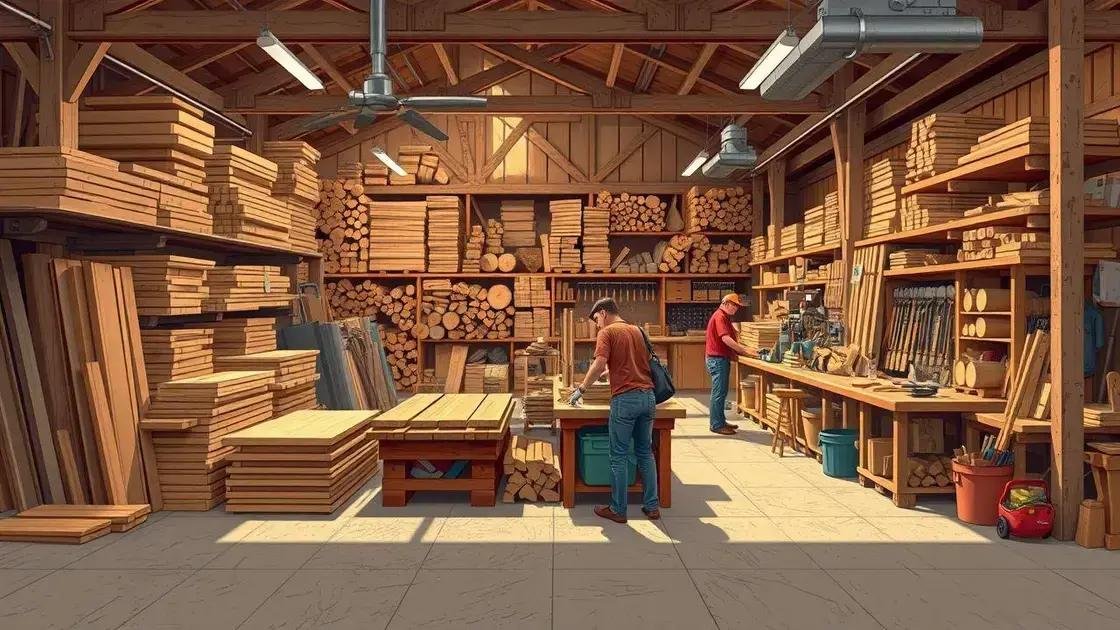
Sourcing quality wood is essential for any woodworking project. Here are some valuable resources and tips to help you find the best materials for your needs.
Local Lumber Yards
Visit local lumber yards for a wide selection of wood types. Unlike big-box stores, these yards often offer specialized woods and can provide expert advice. Speak to the staff about your project requirements, and they can recommend the best options.
Woodworking Stores
Specialty woodworking stores are another excellent resource for finding quality hardwood and softwood. These stores typically have knowledgeable staff who can help you choose the right type of wood for your specific project.
Online Retailers
Consider online retailers that specialize in selling wood. Websites like Woodcraft, Rockler, or Hardwood Lumber Company offer a variety of wood species and can ship directly to your home. Check customer reviews to ensure you are purchasing quality materials.
Wood Mills and Sawmills
Local sawmills can be great places to find high-quality, freshly milled wood. By sourcing directly from the mill, you might save money while getting unique wood options. Additionally, inquire about the possibility of custom cuts if you have specific needs.
Woodworking Expositions and Fairs
Attending woodworking expositions and fairs can connect you with various suppliers and manufacturers. These events often showcase unique wood types and finishing products, providing great opportunities to network and learn about the latest trends.
Community Resources
Join local woodworking clubs or online forums to learn from experienced woodworkers about their favorite sourcing options. Members often share tips on where to find quality wood, recommend suppliers, and exchange insights on woodworking techniques.
In summary, choosing the right wood is essential for successful woodworking projects
From understanding different types of wood to selecting sustainable options, each decision plays a vital role in the outcome of your project.
By avoiding common mistakes and utilizing the best practices for cutting, shaping, and finishing wood, you will enhance both the look and durability of your creations.
Moreover, exploring resources for sourcing quality wood can help you find the best materials to suit your needs.
Remember, with a little knowledge and care, you can achieve amazing results in your woodworking journey.
FAQ – Frequently Asked Questions about Woodworking Projects
What is the best type of wood for furniture projects?
Hardwoods like oak, maple, and cherry are often the best choices for furniture due to their durability and attractive grain.
How can I ensure I select sustainable wood?
Look for certifications like FSC (Forest Stewardship Council) that guarantee the wood comes from responsibly managed forests.
What tools are essential for cutting and shaping wood?
Key tools include saws, sanders, chisels, and routers. Each serves a specific purpose in the woodworking process.
Why is sanding important in finishing wood?
Sanding smooths the surface and ensures that stains and finishes adhere properly, giving your project a polished look.
What should I consider when sourcing wood online?
Check customer reviews, ensure the retailer has a good return policy, and verify the wood quality before purchasing.
How can I reduce waste when working with wood?
Plan your cuts carefully, and consider reusing scraps for smaller projects or components to minimize waste.