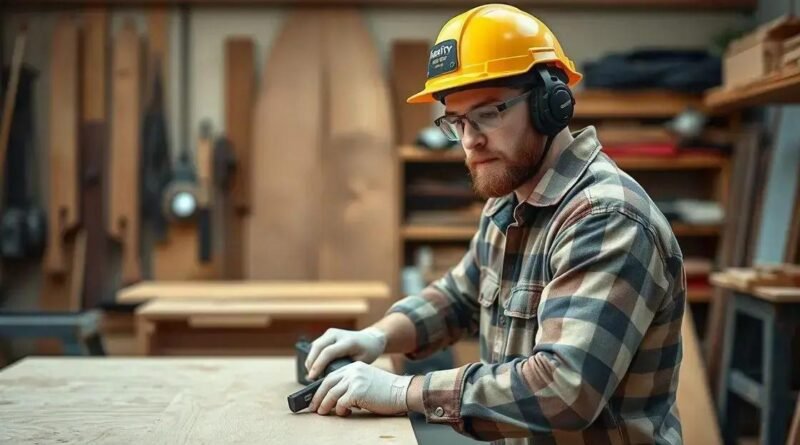
Woodworking safety tips for beginners: Protect yourself while creating
Woodworking safety tips for beginners include wearing personal protective equipment, understanding tool usage, maintaining a clean workspace, and knowing emergency procedures to prevent accidents and ensure a secure crafting experience.
In the world of crafting, woodworking safety tips for beginners are essential. Have you ever wondered how to minimize risks while enjoying this rewarding hobby? Let’s dive into practical insights to make your woodworking journey safe and enjoyable.
Understanding the basics of woodworking safety
Understanding the basics of woodworking safety is crucial for anyone entering this rewarding hobby. First and foremost, always wear the proper personal protective equipment (PPE). This includes safety goggles to protect your eyes from flying debris, hearing protection when using loud power tools, and dust masks to safeguard your lungs from harmful particles.
Another key aspect is knowing your tools. Familiarize yourself with the functions and operations of each tool you plan to use, and read the manufacturer’s instructions carefully. Each tool has unique safety considerations that must be understood to prevent accidents.
It’s essential to maintain a tidy workspace. Keep your area organized and free of clutter, which can lead to trips or falls. An orderly environment also allows you to quickly locate tools and materials when you need them.
In addition, always check your work area before starting. Ensure there are no hazards nearby, such as loose cords, water spills, or inadequate lighting. A well-lit area enhances visibility and reduces the risk of errors.
Never reach over rotating blades or cutting tools. Always position your body safely away from the cutting path, and use push sticks for handling smaller pieces of wood to keep your fingers at a safe distance.
Lastly, inform others of your work. If you’re working in a shared space, let people know when you’ll be using noisy or dangerous equipment. This not only promotes safety but keeps everyone informed and aware of potential hazards.
Essential personal protective equipment
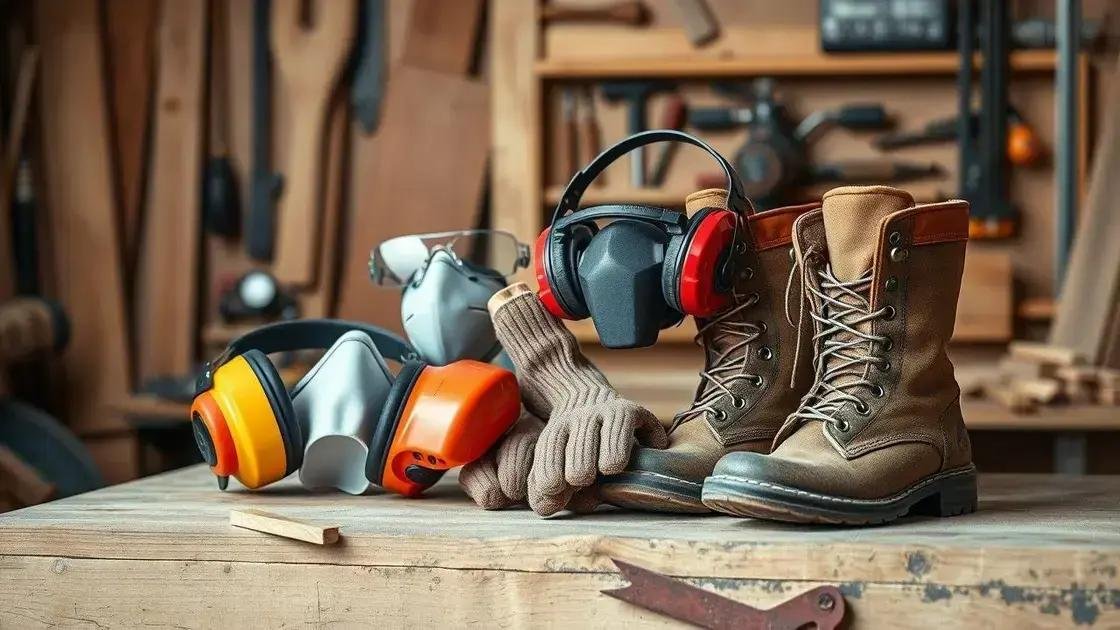
When it comes to woodworking, having the right personal protective equipment (PPE) is essential for your safety. This gear helps protect you from potential injuries while crafting. Here’s a look at the must-have items for any woodworker.
First, invest in safety glasses or goggles. They shield your eyes from dust, wood chips, and flying debris. Many accidents happen due to eye injuries, so this is a crucial piece of equipment.
Next, hearing protection is important, especially when using loud power tools like saws and routers. Consider using earplugs or earmuffs to prevent long-term hearing damage.
Dust masks or respirators should not be overlooked. They protect your lungs from inhaling fine dust created during sanding and cutting. Always choose a mask with a suitable rating for woodworking.
For hand and finger protection, consider wearing cut-resistant gloves. These gloves help prevent cuts when handling sharp tools or working with jagged wood edges. However, take care to remove gloves when using certain tools like table saws to avoid potential snags.
Another important item is steel-toed boots. These protect your feet from falling objects, such as heavy wood pieces or machinery. Ensure the shoes are comfortable since you may be standing for long periods.
Finally, consider wearing an apron with pockets. This not only keeps your clothes clean but also allows you to carry essential tools at hand without losing access to them.
Safe tool handling practices
Safe tool handling practices are crucial for preventing accidents in woodworking. One of the most important rules is to always read the instruction manual for each tool you use. Knowing how to operate tools properly will help you avoid injuries.
Always keep your hands clear of moving parts. When using circular saws or routers, ensure your fingers are away from the blade path. Use push sticks or push blocks for smaller pieces to keep your hands at a safe distance from cutting areas.
Before starting any tool, always check that it is in good working condition. Look for loose wires or damaged components. If a tool is malfunctioning, do not use it until it is repaired.
Use the right tool for the job. Each task requires specific tools designed for that function. Using a tool inappropriately can lead to accidents. For example, never use a table saw to cut metal.
Always turn off and unplug tools when changing blades or bits. This simple step can prevent accidental startups, which could cause serious injuries.
Don’t rush your work. Taking the time to perform tasks safely will help prevent accidents. Focus on what you are doing, and avoid distractions.
Finally, ensure that your workspace is clean and organized. Clutter can lead to trips and falls while carrying tools or materials. A tidy workspace helps you remain focused and safe.
Common hazards in woodworking and how to avoid them
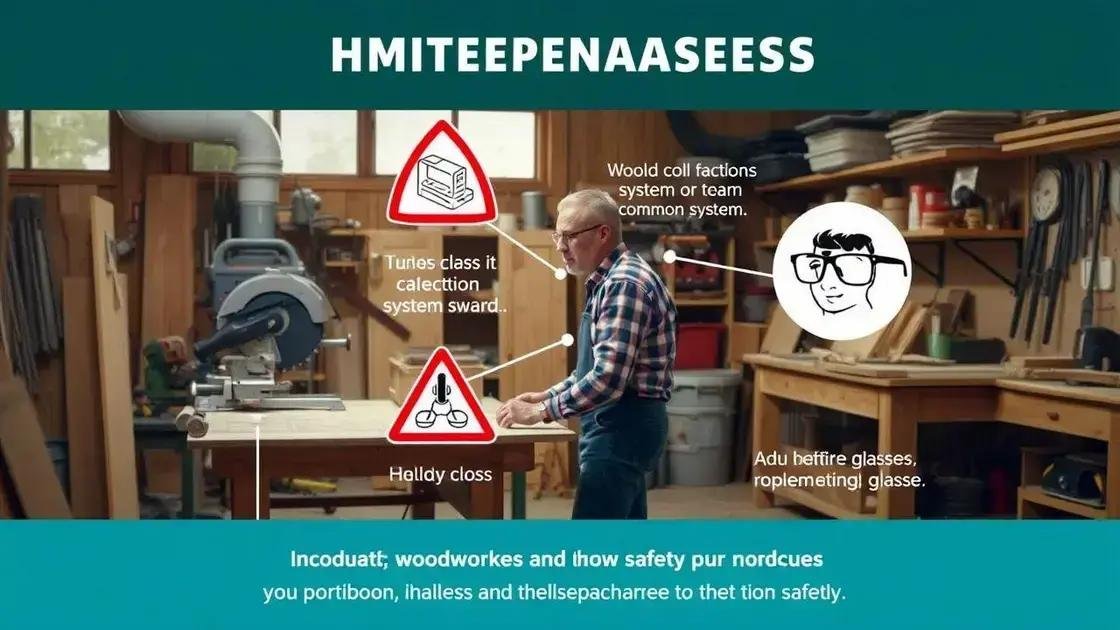
Woodworking can be a fulfilling hobby, but it comes with its own set of common hazards. Understanding these risks is essential for maintaining safety in the workshop. One major hazard is the use of power tools, which can pose risks such as cuts or entanglement. Always ensure you use tools with safety guards and read the manufacturer’s instructions before operating them.
Another hazard is wood dust, which can irritate your lungs and eyes. To reduce exposure, use a dust mask or respirator when sanding or cutting wood. Additionally, utilize dust collection systems or ensure good ventilation in your workspace.
Slips and falls are also frequent in woodworking shops due to cluttered areas or spills. Keep your workspace clean and organized, and promptly clean up any spills to prevent accidents.
Another danger is the potential for projectiles from cutting tools. Always wear safety glasses to protect your eyes from flying debris. Never wear loose clothing that could get caught in moving parts.
Injuries from improper lifting techniques are common as well. When moving heavy pieces of wood, use your legs instead of your back to lift. Consider asking for help when handling large or awkwardly shaped materials.
Finally, be aware of electrical hazards associated with power tools. Always check for exposed wires or damage before plugging in any tool. Use grounded outlets and avoid using tools in damp conditions to minimize the risk of electric shock.
Best practices for working with power tools
Working with power tools requires adherence to best practices to ensure safety and efficiency. Always start by reading the manual that comes with your tool. Understanding its features, controls, and safety mechanisms is essential before use.
Before you begin working, ensure that your workspace is clean and organized. A clutter-free area allows you to concentrate better and reduces the risk of accidents.
Always wear appropriate personal protective equipment (PPE) such as safety glasses, ear protection, and dust masks when using power tools. This gear will protect you from potential hazards like flying debris and excessive noise.
When using a power tool, maintain a firm grip and a stable stance. Always keep both hands on the tool unless the design allows for one-handed operations. This control reduces the likelihood of accidents.
Ensure that all safety features and guards are in place before starting the tool. These devices are designed to protect you from hazards, so never bypass them.
Make sure to keep the workpiece securely held. Use clamps or vises to stabilize your materials while cutting or drilling. This can prevent the piece from moving and causing injury.
If you need to adjust or change the tool’s settings, always turn it off and unplug it first. This simple step can prevent accidental start-ups during adjustments.
Finally, never distract or allow others to distract you while using power tools. Focus is key to ensuring safe operations and completing your projects without mishaps.
How to set up a safe workspace
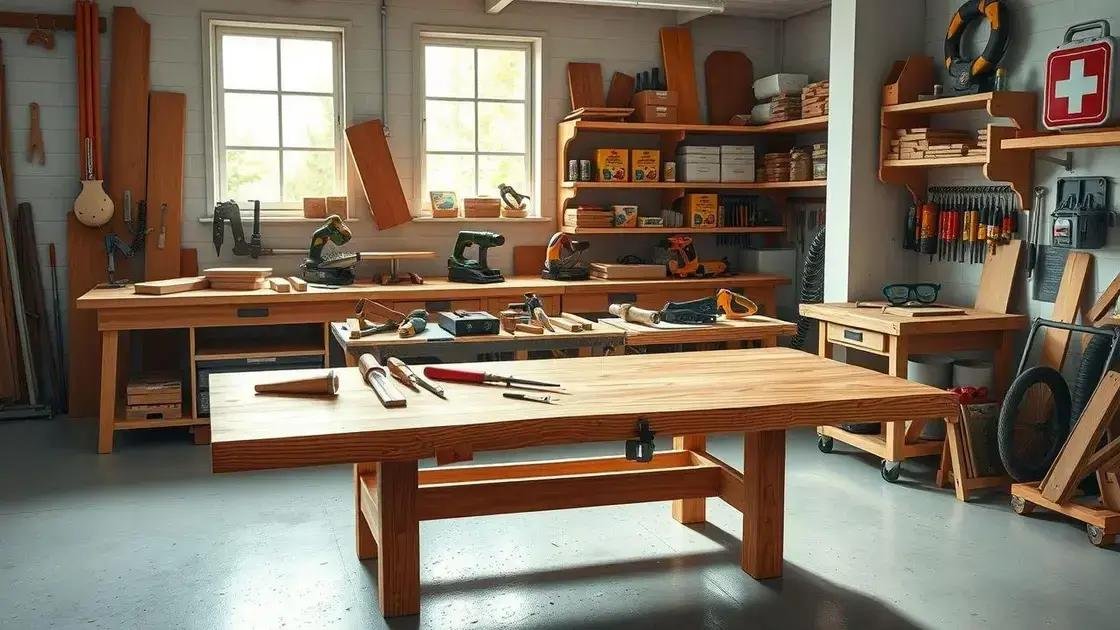
Setting up a safe workspace is essential for anyone involved in woodworking. Start by choosing a suitable location that is well-ventilated and free from clutter. This helps reduce the risk of accidents while working.
Next, invest in a strong workbench that can handle your projects. Ensure it is at a comfortable height to avoid strain while working. Having a solid surface allows for better control over your tools.
Organize your tools and materials in a way that makes them easily accessible. Use storage solutions like shelves, cabinets, and toolboxes to keep your area tidy. Labeling storage spaces can also help you find tools quickly.
Ensure all tools are in good condition before use. Check for damaged cables or missing safety guards, and repair or replace as necessary. Using damaged equipment can lead to serious injuries.
Lighting is crucial in a woodworking area. Use bright, adjustable lights to illuminate your work area effectively. Good lighting helps you see your work clearly and reduces the chance of making mistakes.
Consider the layout of your workspace. Leave enough space to move around freely, especially when using large tools or working with big pieces of wood. Avoid overcrowding your workspace, which can lead to accidents.
Always keep a first aid kit nearby in case of minor injuries. Knowing how to handle basic injuries can help you address situations quickly and effectively.
Finally, communicate with others nearby when you are working with loud tools. This ensures that you are not interrupted and can work safely without distractions.
Emergency procedures for woodworking accidents
Being prepared for woodworking accidents involves knowing the emergency procedures you should follow. The first step is to always have a first aid kit readily available in your workspace. Ensure it is stocked with essential items such as bandages, antiseptic wipes, and gauze.
In case of a minor cut or scrape, clean the wound with soap and water, and apply an antiseptic. Then cover it with a sterile bandage. If bleeding does not stop, apply direct pressure to the wound and keep it elevated.
For more serious injuries, such as deep cuts or amputations, call for help immediately. If someone is seriously hurt, do not waste time; get professional medical assistance. Ensure you provide clear directions to emergency services about the location of your workspace.
If injuries occur due to falls or other accidents, it is crucial to stabilize the injured person until help arrives. Avoid moving them unless they are in immediate danger. Moving someone can worsen injuries, especially if there are potential spinal or neck injuries.
In case of eye injuries caused by flying debris, do not rub the eye. Instead, flush it gently with clean water or saline solution. Seek medical attention right away, as eye injuries can become serious quickly.
Additionally, if someone experiences severe reactions such as difficulty breathing or severe allergic reactions, use an epinephrine auto-injector if available. Promptly call emergency services for further care.
After any incident, it is important to evaluate the circumstances that led to the accident. Take time to analyze what happened to prevent similar incidents in the future. Implementing safety measures can greatly reduce the risk of accidents during woodworking.
Tips for teaching woodworking safety to kids

Teaching woodworking safety to kids is vital for fostering a secure environment while they learn. Start by explaining the importance of personal protective equipment (PPE). Show them how to wear safety glasses, gloves, and dust masks correctly. Make it a fun learning experience by having them practice putting on the gear.
Incorporate simple demonstrations of basic tools. Use tools that are appropriate for their age and skill level. Explain the function of each tool and how to use it safely. Always emphasize the need to follow safe practices when using them.
Create a safety checklist that kids can follow before starting any project. This list should include checking that the work area is clean, wearing PPE, and ensuring that they have adult supervision. Having a physical checklist can help them remember the safety steps.
Introduce the concept of respecting tools. Teach kids that tools are not toys and should be treated with care. Explain how improper use can lead to accidents, and encourage them to ask for help if they are unsure about how to use something.
Use role-playing scenarios to help kids understand how to react in case of emergencies. This could include what to do if they get hurt or how to properly signal for help. Practicing these situations beforehand can help them remain calm and know how to respond.
Encourage open communication. Let children know that they can always ask questions without fear of getting in trouble. Keeping the lines of communication open helps them feel comfortable discussing any safety concerns.
Finally, lead by example. Always practice safe woodworking yourself. Kids learn best through observation, so demonstrate the safety standards you expect from them. Your actions will show them the importance of safety in woodworking.
In summary, mastering woodworking safety is essential
Woodworking is a great hobby, but safety must always come first. By following essential safety tips, wearing the proper protective gear, and maintaining a safe workspace, you can enjoy your craft without unnecessary risks.
Teaching kids about woodworking safety is crucial for their development and helps instill a sense of responsibility. By creating a fun and informative learning environment, you can ensure they understand the importance of safety as they explore this rewarding activity.
As you continue to grow your woodworking skills, remember that being proactive about safety will enhance your experience and protect you and those around you.
FAQ – Frequently Asked Questions about Woodworking Safety
What should I wear for woodworking safety?
You should wear personal protective equipment (PPE) such as safety glasses, gloves, a dust mask, and ear protection to keep yourself safe from hazards.
What are some common woodworking hazards to watch out for?
Common hazards include cuts from tools, eye injuries from flying debris, inhalation of wood dust, slips and falls, and electrical risks from power tools.
How can I teach kids about woodworking safety?
You can teach kids by demonstrating safe practices, using age-appropriate tools, explaining the importance of PPE, and creating a safety checklist they can follow.
What should I do if there is an accident in the workshop?
You should immediately assess the injury and call for professional medical help if needed. Always keep a first aid kit nearby for minor injuries.
How can I set up a safe woodworking workspace?
Create a clean and organized workspace, use proper lighting, store tools safely, and ensure that all tools are in good working condition.
Why is it important to practice woodworking safety?
Practicing safety helps prevent accidents and injuries, creating a more enjoyable and secure environment for woodworking.