Woodworking projects for fathers and sons to build together: create lasting memories
Woodworking projects for fathers and sons to build together foster creativity, teach essential skills, and create lasting memories through shared experiences and teamwork.
Woodworking projects for fathers and sons to build together create unique opportunities for bonding and learning. Have you ever thought about making something special side by side with your child? Let’s explore some engaging ideas!
The joy of woodworking with your son
The joy of woodworking with your son goes beyond creating projects; it builds lasting memories. Spending time together in the workshop fosters communication and teamwork. It’s an opportunity to teach essential skills while also learning from each other.
Creating Together
When you and your son work on a woodworking project, you’re not just building a physical object but also a relationship. Start by choosing a simple project, like a birdhouse or a toy box. This will make it easier for your son to engage and feel a sense of accomplishment.
Learning the Basics
Teaching your son the basics of woodworking, such as measuring, cutting, and assembling, can be incredibly rewarding. Encourage him to ask questions and share ideas. Remember, mistakes are part of the learning process, so embrace them together.
Sharing the Experience
Take time during your project to share stories or discuss topics that matter to both of you. This conversation can enhance your bond and make the experience even more special. Don’t rush; enjoy the moments spent together.
Celebrating Success
Once your project is complete, celebrate your success. Admire your hard work and the creativity you both contributed. You might want to take photographs of your completed project or even gift it to someone special.
Essential tools for woodworking projects
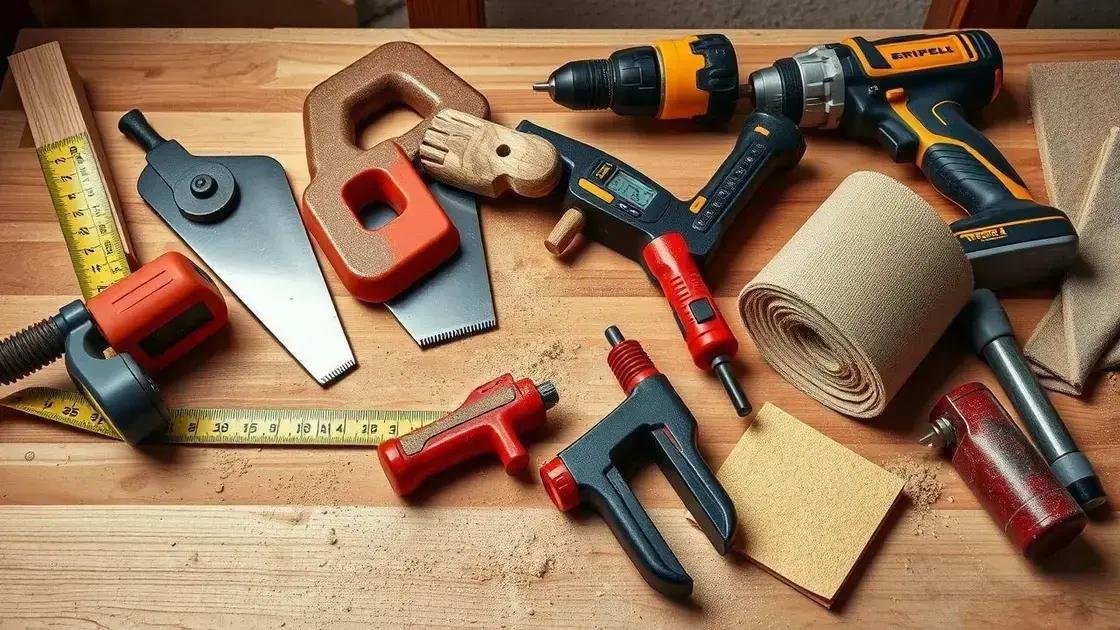
Having the right tools is crucial for successful woodworking projects. Whether you are a beginner or an experienced woodworker, essential tools will ensure that you can work efficiently and safely.
Measuring and Marking Tools
Accurate measurements are vital in woodworking. Use a tape measure and a square to ensure precise cuts. A marking knife helps create clear lines, while a pencil is handy for making quick notes on your wood.
Cutting Tools
A good handsaw is essential for basic cut tasks. For more advanced projects, consider investing in a circular saw or a jigsaw for curved cuts. Remember to use a sawhorse for better stability when cutting.
Drilling Tools
A power drill is invaluable for making holes in wood. Use various drill bits for different sizes and applications. A drill press can further enhance precision for more detailed work.
Assembling Tools
When it comes to putting your project together, think about using screws, wood glue, and clamps. Each plays a role in ensuring your pieces fit tightly and securely.
Finishing Tools
Finally, to give your projects a polished look, you will need sanders and paintbrushes for applying finishes. Sandpaper helps smooth rough edges, while brushes apply paint or stain evenly.
Fun beginner projects for a bonding experience
Starting with fun beginner projects can make woodworking a delightful experience for both fathers and sons. These projects not only teach basic skills but also create opportunities for bonding.
Birdhouse Project
A simple birdhouse is a perfect first project. It allows your son to learn about measuring and cutting wood. You can customize it together by painting or decorating it with various designs. Plus, you’ll have the joy of watching birds use it!
Wooden Toy Cars
Building wooden toy cars is another exciting project. Use scrap wood pieces and get creative with designs. Your son can sand the edges for a smooth finish and even paint them in fun colors. This project encourages imagination and fine motor skills.
Pencil Holder
A pencil holder is a practical beginner project. All you need are a few wooden blocks and some glue. Your son can personalize it by adding his name or using stickers. This project teaches assembly and creativity.
Picture Frame
Constructing a picture frame is a fantastic way to capture memories. Use wood strips to create a frame and let your son choose the color of the paint or stain. This project combines woodworking skills with personal expression.
Simple Bookshelf
A small bookshelf is a slightly more advanced project, suitable for those ready for a challenge. It will teach your son about structure and stability. Choose a design together and let him help with every step from assembly to finishing touches.
Safety tips for woodworking with kids

When engaging in woodworking with kids, safety should always be the top priority. Teaching children how to safely use tools and handle materials can help foster a safe and enjoyable environment.
Use Proper Safety Gear
Make sure your child wears safety goggles to protect their eyes from dust and debris. You should also consider using ear protection when using loud tools, and a dust mask to prevent inhalation of sawdust.
Supervise Constantly
Always supervise children while they are in the workshop. This ensures they are using tools correctly and helps prevent accidents. Never leave them unattended when they are handling tools.
Teach Tool Safety
Before starting a project, take the time to teach your child about each tool’s function and how to use it safely. Show them how to handle power tools with care. Emphasize the importance of keeping hands away from cutting areas and always maintaining a firm grip on tools.
Establish a Safe Work Area
Keep the workspace clean and organized to reduce the risk of accidents. Make sure there are no tripping hazards, such as loose cords or scattered tools. Designate a specific area for woodworking projects to maintain focus and safety.
Use Kid-Friendly Tools
Consider using tools designed for children. These tools are typically lighter and easier to handle. For instance, there are saws specifically made for kids that are safer to use.
Encourage a Safety Mindset
Reinforce the importance of safety during every project. Encourage your child to ask questions and speak up if they feel uncomfortable or unsure about using a tool. Making safety a priority will help them feel more confident in their woodworking skills.
Creative ideas for custom projects
Custom woodworking projects allow fathers and sons to express their creativity while learning new skills. Here are some creative ideas for unique projects that you can work on together.
Personalized Step Stool
A step stool is a practical addition to any home. You can create a personalized step stool by adding your child’s name or favorite colors. This project teaches measuring, cutting, and painting.
Custom Name Plaques
Creating name plaques for bedrooms is fun and easy. Use different shaped wood pieces and let your child paint or decorate them. This project allows for artistic expression while building basic woodworking skills.
Decorative Wall Shelves
Designing decorative wall shelves can be both functional and artistic. Choose a creative shape, like a tree or animal, and paint it in vibrant colors. This project provides an opportunity to learn about weight distribution and mounting.
Memory Box
Crafting a memory box is a wonderful way to store special items. Customize the box with various finishes and paint designs. You can even create dividers inside for better organization. This promotes creativity and personal sentiment.
Wooden Puzzle
Making a personalized wooden puzzle can be a fun challenge. Use a jigsaw to cut puzzle pieces in different shapes. Allow your child to paint or even draw images on the pieces. This project enhances problem-solving skills and patience.
Bird Feeder
A custom bird feeder can attract various birds to your yard. Build a unique design using scrap wood and decorate it with bright paint. This project teaches responsibility as your child can help in maintaining it.
How to choose the right wood for your project
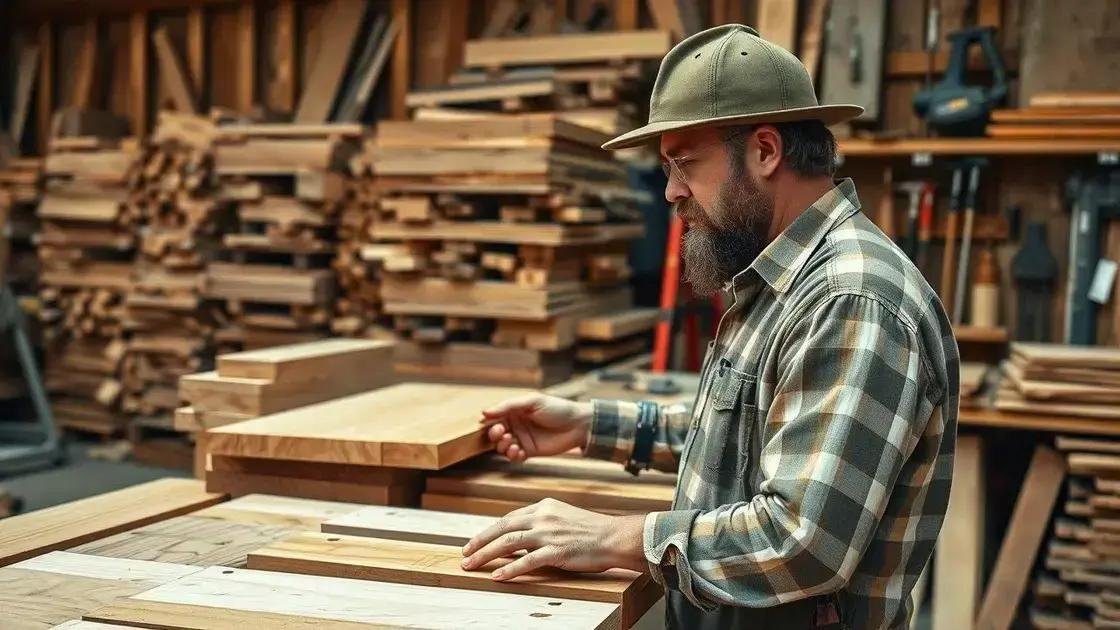
Choosing the right wood is essential for any woodworking project. Different types of wood have unique properties that make them suitable for specific projects. Here are some tips on how to select the perfect wood for your needs.
Consider the Project Type
Identify what you are building. For furniture, hardwoods like oak or maple are durable and provide a beautiful finish. For items like birdhouses or outdoor projects, softwoods such as pine or cedar are ideal due to their resistance to weathering.
Check the Wood Grain
The grain of the wood affects its appearance and strength. A tight grain usually indicates a stronger piece. Consider how the grain will look in your finished project. Quarter-sawn wood often has a unique pattern that many find appealing.
Moisture Content
Ensure the wood is properly dried. Wood with high moisture content can warp or crack as it dries. If you’re using fresh lumber, let it dry gradually before working with it. Seasoned wood is more stable and less likely to change shape.
Cost and Availability
Some woods can be expensive or hard to find. Always consider your budget and the availability of specific types of wood. Local lumberyards often have recommendations for good options that fit your budget.
Sustainability
Choose wood from sustainable sources whenever possible. Look for certifications like FSC (Forest Stewardship Council) to ensure that your wood is harvested responsibly.
Maintaining your tools: Tips for longevity
Proper maintenance of your woodworking tools is vital for ensuring their longevity and performance. Here are some essential tips to keep your tools in excellent condition.
Regular Cleaning
After using your tools, make it a habit to clean them thoroughly. Remove any sawdust, resin, or dirt that may have accumulated. Use a soft brush or cloth to gently wipe surfaces, and avoid using harsh chemicals that could damage the finish.
Lubrication
Many tools require lubrication to function smoothly. For moving parts, such as saw blades or drill bits, apply a light oil to keep them from sticking. Regular lubrication can prevent rust and reduce friction, extending the life of your tools.
Inspect for Damage
Before each use, inspect your tools for any signs of damage or wear. Check for dull blades, rust, or loose handles. Addressing these issues promptly can prevent further damage and ensure your tools work correctly.
Proper Storage
Store your tools in a dry, cool place. Consider using a dedicated storage box or wall-mounted system to keep them organized and protected. Avoid leaving them outside or in damp areas, as moisture can lead to rust and deterioration.
Sharpening Blades
Keep your blades sharp for efficient cutting. Use a sharpening stone or professional sharpening service when needed. Dull blades can be dangerous and require more effort to use, which can lead to mistakes.
Follow Manufacturer Guidelines
Always refer to the manufacturer’s instructions for specific maintenance recommendations. Following these guidelines can help you understand the best practices for each tool and ensure that they remain in optimal working condition.
Celebrating your finished projects together
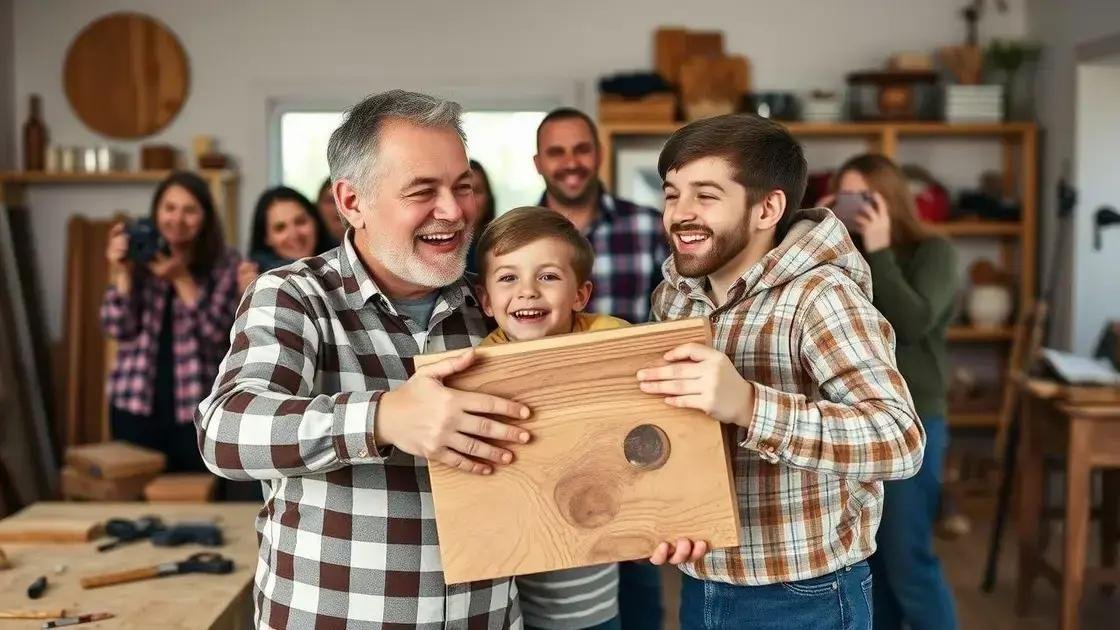
Celebrating your finished projects together is a vital part of the woodworking experience. It reinforces teamwork and creates lasting memories. Here are some enjoyable ways to celebrate your accomplishments.
Have a Reveal Ceremony
Set aside a special time to showcase your completed project. Prepare a small unveiling, just like in a gallery. Cover the project with a cloth and remove it to reveal your hard work. This adds excitement and allows everyone to appreciate the effort put into the creation.
Take Photos
Document your project by taking photos together. Capture individual photos with the completed piece and include candid shots while working. These memories can be shared later and remembered fondly for years to come.
Share with Family and Friends
Invite family and friends over to show off your work. This can be a great way to share the experience and enjoy a gathering. Share stories about the process and what you learned while working on the project.
Display Your Work
Find a prominent place in your home to display the finished project. Whether it’s a shelf, a wall, or the patio, showcasing your projects allows you to admire your hard work daily. It can also inspire others to start their own woodworking adventures.
Reflect on the Experience
After completing a project, sit down together and discuss what you enjoyed most and what you learned. This reflection reinforces the bond you formed during the process and makes future projects even more meaningful.
Plan the Next Adventure
Celebrate by planning your next woodworking project together. Discuss ideas and dream about what you want to create next. This excitement for future projects can motivate you both and keep the woodworking spirit alive.
In conclusion: The joy of woodworking and bonding
Woodworking projects are more than just about creating items; they are valuable opportunities for bonding between fathers and sons. By working together, you can create lasting memories while developing skills and techniques.
From choosing the right wood to celebrating your finished projects, each step is filled with learning and joy. Safety measures, proper tool maintenance, and creative ideas enhance the experience, making it enjoyable and rewarding.
Whether you’re crafting a simple birdhouse or a custom furniture piece, the benefits extend beyond the craft itself. Embrace these moments, and enjoy the journey of woodworking together!
FAQ – Frequently Asked Questions about Woodworking Projects for Fathers and Sons
What are some good beginner woodworking projects for kids?
Beginner woodworking projects for kids include birdhouses, wooden toy cars, pencil holders, and simple picture frames. These projects help teach basic skills and allow for creativity.
How can I ensure safety while woodworking with my child?
Always supervise your child, use proper safety gear like goggles, teach them how to use tools safely, and establish a clean, organized workspace to prevent accidents.
What type of wood is best for a first woodworking project?
Softwoods like pine or cedar are great for first projects as they are easier to cut and work with. They are also less expensive, making them perfect for beginners.
How can we celebrate finishing a woodworking project together?
You can celebrate by having a reveal ceremony, taking photos, sharing your project with family and friends, and reflecting on the experience to appreciate your teamwork.
What is the best way to maintain woodworking tools?
Regularly clean your tools, lubricate moving parts, inspect for damage, store them properly, sharpen blades as needed, and follow the manufacturer’s maintenance guidelines.
How do woodworking projects help build a bond between fathers and sons?
Working on woodworking projects together promotes teamwork, communication, and shared achievements, creating lasting memories and strengthening relationships.