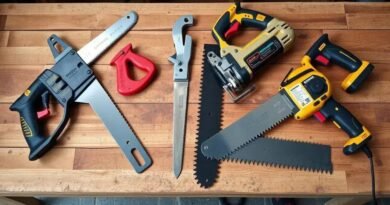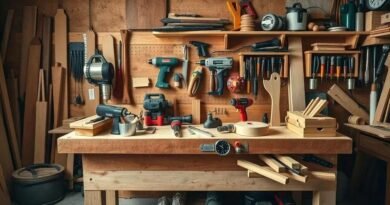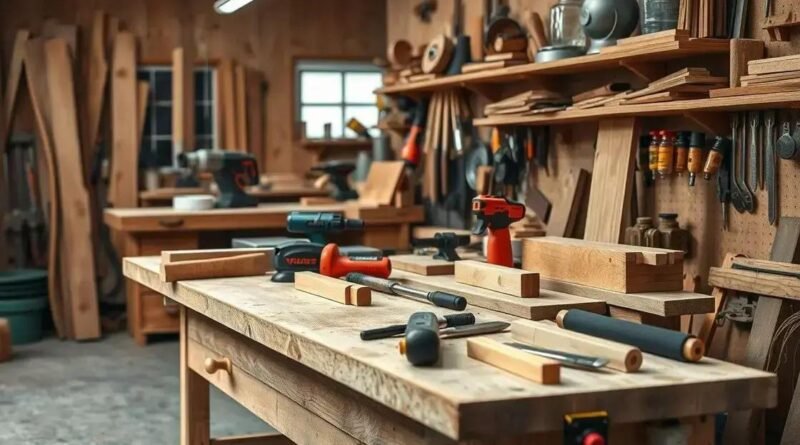
Tool maintenance tips for woodworking tools to ensure longevity
Effective tool maintenance tips for woodworking include regular cleaning, lubrication, proper storage, and timely sharpening to ensure optimal performance and longevity of your equipment.
Tool maintenance tips for woodworking tools are essential for anyone looking to keep their equipment in top shape. Ever wondered how a small adjustment can drastically improve your tool’s efficiency? Let’s dive into some practical advice that can help.
Essential cleaning practices for woodworking tools
Keeping your woodworking tools clean is essential for maintaining their performance and longevity. One of the most critical aspects of tool maintenance is regular cleaning. By removing dust and debris, you can prevent rust and ensure smooth operation.
Daily Cleaning Routine
After each use, take a moment to clean your tools. Use a soft cloth to wipe down surfaces and remove any sawdust or wood particles. For tools with moving parts, consider using a brush to get into hard-to-reach areas.
Deep Cleaning Techniques
Periodically, deep clean your tools to remove built-up grime. You can soak metal parts in a solution of warm water and mild detergent. Use a soft brush to scrub away dirt. Always dry thoroughly to prevent rust.
Cleaning Specific Tools
Different tools may require unique cleaning methods. For example, saw blades should be cleaned with a specialized degreaser to remove resin buildup. For woodworking planes, ensure the sole is clean and free from any obstructions.
Utilizing Proper Cleaning Supplies
Invest in good quality cleaning supplies such as brushes, cloths, and non-corrosive cleaning solutions. These can make the cleaning process more effective and protect the integrity of your tools.
Post-Cleaning Maintenance
After cleaning, it’s a good idea to apply a thin layer of oil to metal parts. This helps to prevent rust and keeps the tool parts moving smoothly.
How to sharpen different types of woodworking tools
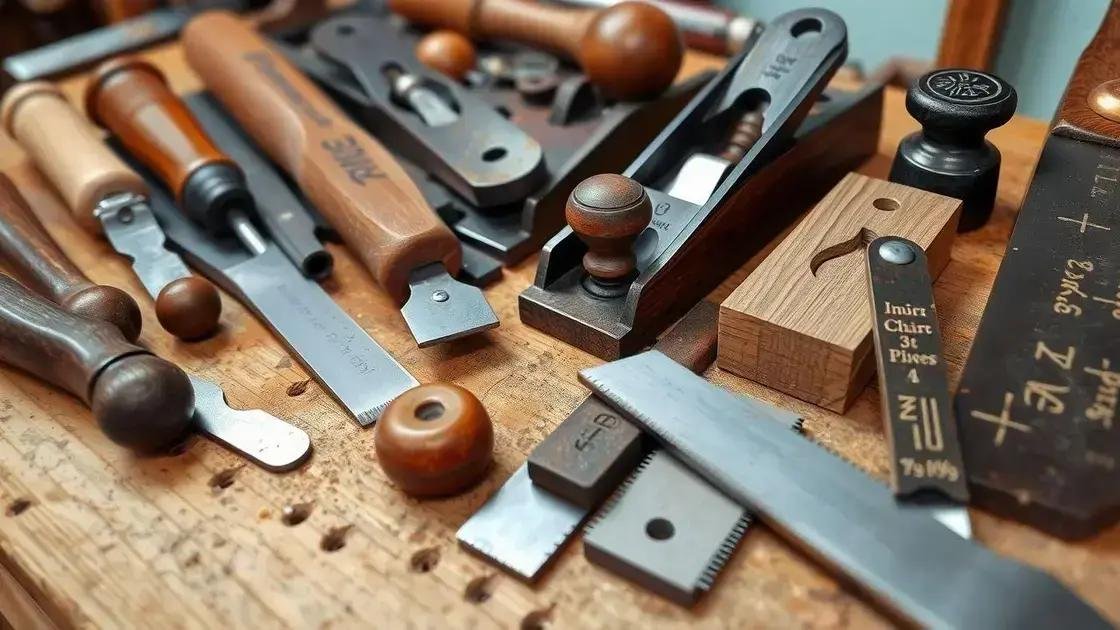
Sharpening your woodworking tools is essential to ensure precise cuts and enhance the quality of your projects. Each tool requires a specific sharpening technique for optimal results.
Understanding Your Tools
Begin by identifying the type of tool you are working with, such as chisels, planes, or saws. Each tool has a unique angle and edge that you need to maintain.
Sharpening Chisels
To sharpen a chisel, start with a coarse sharpening stone to create a new edge. Keep the bevel angle consistent, usually around 25-30 degrees. After shaping the edge, switch to finer stones for a polished finish.
Sharpening Planes
For plane irons, follow a similar process as chisels. Use a sharpening stone to maintain the bevel angle. It’s important to sharpen both the bevel and the flat side to achieve a sharp, effective edge.
Sharpening Saws
Saw blades require a different approach. Use a file specifically designed for sharpness to work on the teeth of the saw. Ensure each tooth is sharpened at the same angle to maintain a smooth cutting action.
Using Sharpening Jigs
If you find it challenging to sharpen by hand, consider using sharpening jigs. These tools help maintain the correct angle and can improve consistency in your sharpening efforts.
Regular Maintenance
Establish a regular sharpening schedule to maintain the performance of your tools. Dull tools can lead to injuries and poor results, so don’t overlook this crucial maintenance step.
Lubrication techniques for smooth operation
Proper lubrication is a key aspect of maintaining woodworking tools. It ensures smooth operation and extends the life of your equipment. Regularly lubricating moving parts reduces friction and helps tools remain in working condition.
Understanding Lubrication Types
Different tools require various types of lubricants. For example, oil-based lubricants work well for saw blades and chisels, while silicone sprays are often used for sliding parts on tools like miters and jointers.
When to Lubricate
Establish a regular schedule for lubrication, depending on usage. More frequent use may require lubrication after every few sessions, while tools used less often can be lubricated monthly or seasonally.
How to Apply Lubricants
When applying lubricant, use a clean cloth or an applicator to avoid oversaturation. Apply a thin layer to ensure even coverage. It’s best to wipe off any excess to prevent dirt accumulation.
Lubricating Specific Tools
For saws, apply lubricant to the pivot points and along the blade to reduce friction. For handheld tools like pliers or scissors, apply lubricant to the joints for smooth opening and closing.
Storing Tools After Lubrication
After lubrication, ensure your tools are stored properly. Keep them in a dry, cool place to avoid moisture buildup that can lead to rust. Consider wrapping them in a cloth to protect them during storage.
Protecting your tools from rust and corrosion

Rust and corrosion can significantly damage your woodworking tools, leading to costly repairs or replacements. Preventing these issues is essential for maintaining the quality and longevity of your tools.
Understanding Rust and Corrosion
Rust forms when iron and oxygen react in the presence of moisture. Corrosion occurs on different metals, often due to exposure to their surroundings. Both can hinder the performance of your tools if not managed properly.
Storing Tools Properly
To protect your tools, store them in a dry environment. Use a dehumidifier in damp areas, like basements, to reduce moisture levels. Additionally, ensure tools are stored off the ground to prevent contact with moisture.
Applying Protective Coatings
Consider using protective coatings on metal surfaces. Products like rust inhibitor sprays or oils create a barrier against moisture. Apply a thin layer after cleaning tools, ensuring they are completely dry before coating.
Regular Maintenance Checks
Establish a routine to inspect your tools for early signs of rust or corrosion. Look for discoloration or rough spots on metal surfaces. Addressing these issues promptly can prevent further damage.
Using Linseed Oil
Applying linseed oil to wooden and metal surfaces can help protect against moisture. It not only nourishes wooden handles but also provides a protective coating for metal parts.
Proper storage methods for woodworking tools
Storing your woodworking tools properly is crucial for maintaining their performance and prolonging their lifespan. With the right storage methods, you can keep your tools organized, accessible, and protected from damage.
Choosing the Right Storage Location
Find a dry and well-ventilated area for tool storage. Avoid damp basements or unprotected outdoor sheds, as humidity can lead to rust and corrosion.
Toolboxes and Chests
Using toolboxes or chests allows for organized storage. Choose metal or sturdy plastic options with compartments to separate different tools. Keep frequently used tools near the top for easy access.
Wall-Mounted Storage
Consider wall-mounted shelves, pegboards, or magnetic strips for storing tools. This keeps them off the ground and visible, making it easy to find what you need quickly. Ensure tools are securely fastened to prevent accidents.
Hanging Tools
For larger tools, hanging racks can save space. Secure tools such as saws and levels with brackets that support their weight, keeping your workspace tidy and safe.
Protecting Tool Edges
When storing cutting tools like chisels or blades, use blade guards or sheaths. This prevents damage to the edges and reduces the risk of accidents when reaching for them.
Regular Maintenance
Perform regular checks of your stored tools to ensure they remain in good condition. Look for signs of rust or damage, and apply protective coatings as needed.
Identifying wear and tear in tools
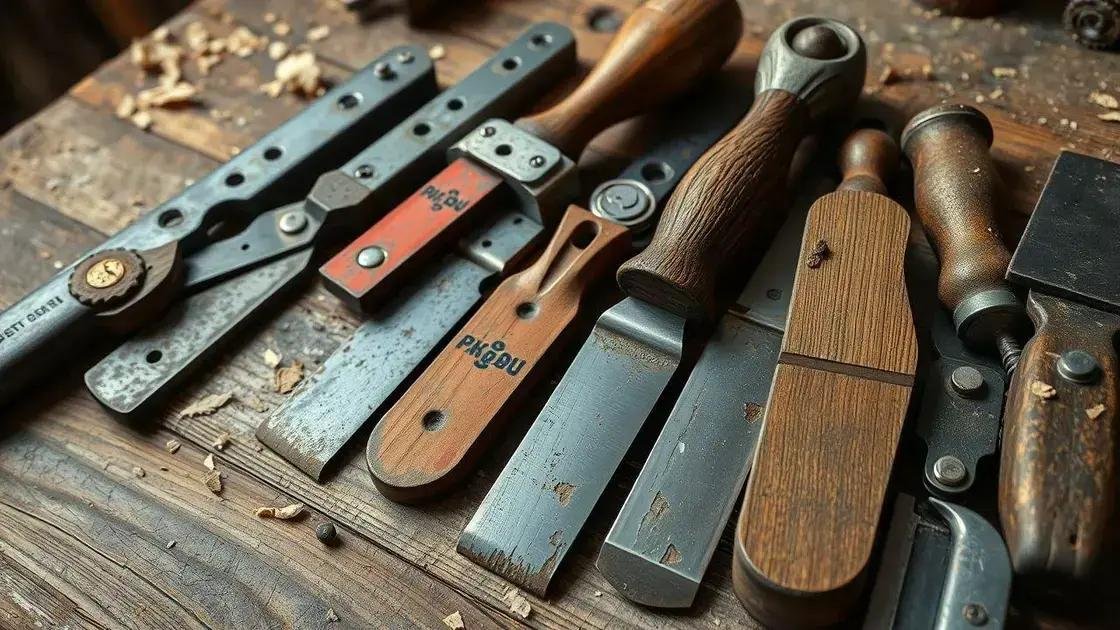
Regularly checking your woodworking tools for wear and tear is essential for ensuring their effectiveness and safety. Identifying potential issues early can save you time and money in repairs or replacements.
What to Look For
Start by inspecting the physical condition of your tools. Look for any signs of dull edges, cracks, or chips on blades and cutting surfaces. These imperfections can affect performance and safety.
Check Moving Parts
For tools with moving parts, such as saws or drills, listen for unusual noises during operation. Squeaks or grinding sounds can indicate wear that needs attention. Regularly lubricate these parts to ensure smooth operation.
Inspect Wooden Handles
Wooden handles can become splintered or worn over time. Check for cracks or breaks that can lead to tool failure. If you notice significant wear, consider replacing the handle for safety.
Evaluate Tool Performance
If your tools are not performing as expected, it may be time to examine them closely. Dull blades may require sharpening, while tools may need adjustments or replacements to function properly.
Regular Maintenance Logs
Keep a log of your tools’ maintenance history, noting any issues you observe. This will help you recognize patterns of wear and allow for timely interventions.
Seasonal maintenance tips for woodworkers
Seasonal maintenance is vital for woodworkers to keep their tools in top shape throughout the year. By performing regular checks and maintenance, you can prevent issues and enhance the performance of your equipment.
Spring Maintenance
As the weather warms, start by cleaning your tools thoroughly. Remove any dust or dirt collected during winter. Check for any rust and apply a rust remover if necessary. This is a great time to sharpen blades and lubricate moving parts.
Summer Tips
During the summer, focus on ensuring that your tools are stored properly to avoid damage from humidity. Use silica gel packs in your storage area to reduce moisture. Regularly inspect your wooden tools and handles for signs of warping due to heat and humidity.
Fall Preparation
As temperatures begin to drop, take the time to check the alignment and calibration of your tools. Make adjustments as needed to maintain accuracy. Fall is also an excellent time to review your maintenance logs and plan for any necessary repairs before winter.
Winter Care
In winter, inspect your tools for any signs of wear or damage due to temperature changes. Store your tools in a climate-controlled environment if possible to prevent freezing or excessive drying. Ensure that all lubricants are appropriate for colder temperatures.
Creating a Maintenance Schedule
Establish a seasonal maintenance schedule to keep track of tasks. This can include cleaning, lubricating, sharpening, and inspecting tools. Regular maintenance will prolong the life of your equipment and ensure quality work.
Best practices for purchasing replacement parts

When your woodworking tools need replacement parts, knowing the best practices for purchasing them can save you time and money. This ensures that you get the right components for your tools.
Identify the Right Parts
Start by determining exactly what part you need to replace. Consult the user manual or manufacturer’s website for details about the specific part, including model numbers and specifications.
Choose Quality Over Price
While it might be tempting to opt for cheaper options, always prioritize quality over price. High-quality parts will last longer and perform better, ultimately saving you money in the long run.
Buy from Reputable Vendors
Purchase replacement parts from established and reputable vendors. This could be directly from the manufacturer or from authorized dealers. Ensure they have good reviews and a solid return policy in case the part is not the right fit.
Consider OEM vs. Aftermarket Parts
Understand the difference between OEM (Original Equipment Manufacturer) parts and aftermarket parts. OEM parts are made by the tool’s manufacturer and usually offer guaranteed compatibility, while aftermarket parts may be less expensive but can vary in quality.
Check for Warranties and Guarantees
When purchasing replacement parts, check if the parts come with a warranty or guarantee. This provides peace of mind and may cover any defects or issues that arise after purchase.
Keep Spare Parts on Hand
If you frequently use certain tools, consider keeping spare parts on hand. This can help minimize downtime and keep your projects on schedule.
In conclusion, effective maintenance is key to prolonging the life of your woodworking tools
By adopting best practices for cleaning, lubricating, and storing your tools, you can ensure they perform at their best. Regularly checking for wear and tear, as well as knowing how to purchase quality replacement parts, will also help keep your tools in top shape.
Implementing seasonal maintenance tips will prepare your tools for the changing conditions throughout the year. With these steps, you can enjoy woodworking without the worry of equipment failure.
Remember, taking care of your tools is as important as the projects you create!
FAQ – Frequently Asked Questions About Woodworking Tools Maintenance
How often should I clean my woodworking tools?
It’s best to clean your tools after every use to prevent dirt and residue buildup, which can affect their performance.
What type of lubricant is best for my tools?
Oil-based lubricants are great for cutting tools, while silicone sprays are useful for sliding parts on tools like miter saws.
How can I tell if my tools need sharpening?
If you notice that your tools are not cutting smoothly or require more force to use, it’s time to sharpen them.
What are the signs of rust on my tools?
Look for orange or reddish-brown spots on metal surfaces, as well as rough patches where rust may have formed.
Should I buy original parts or aftermarket parts for replacements?
OEM (original equipment manufacturer) parts are typically more reliable, but quality aftermarket parts can also be good; just ensure they meet the specifications of your tools.
How can I protect my tools from seasonal changes?
Regularly inspect tools, store them in a controlled environment, and apply protective coatings to prevent rust and other damage due to humidity or temperature changes.