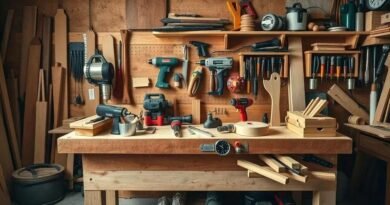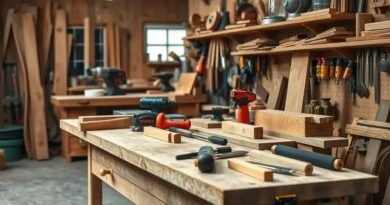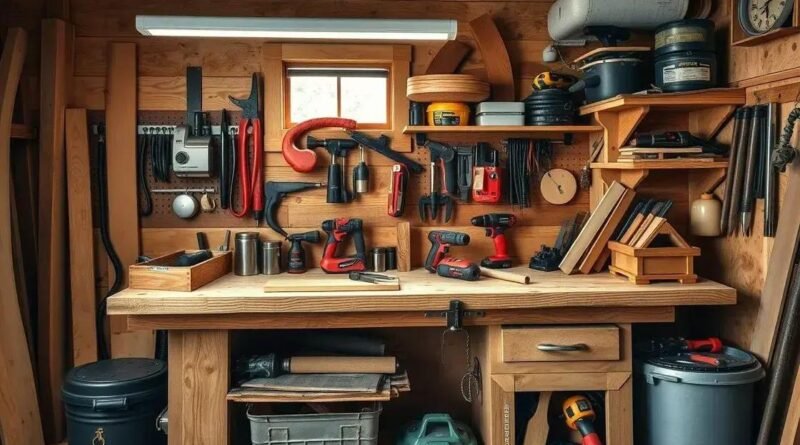
Must-have woodworking tools for small shop to boost your creativity
Must-have woodworking tools for a small shop include essential hand tools like chisels and saws, along with compact power tools such as drills and jigsaws that maximize space and efficiency, allowing for a variety of woodworking projects.
If you’re setting up your space, knowing the must-have woodworking tools for small shop can make a huge difference. Have you ever thought about how the right tools can unlock your creativity and improve your craftsmanship? Let’s dive into what you really need to get started.
Essential hand tools every woodworker should have
Every woodworker needs a solid set of hand tools to ensure quality and precision in their projects. These tools not only help you shape and join wood but also allow you to express your creativity effectively.
Basic Hand Tools
The most fundamental hand tools include a hand saw, which is essential for making straight cuts. A good-quality hand saw should be comfortable and sharp. Along with a hand saw, having a chisel set is crucial for carving and shaping wood with accuracy.
Measuring Tools
Accurate measurements are vital in woodworking. A reliable tape measure and a square will help you achieve precise cuts and ensure your joints are square. Consider investing in a caliper for measuring smaller pieces as well.
Cutting and Shaping Tools
Besides saws and chisels, a handplane is invaluable for smoothing surfaces and making fine adjustments to your work. A rasp and a files set will allow you to refine shapes and details.
Assembly Tools
For assembly, consider having a small hammer and a good-quality screwdriver to secure joints. A clamp is also necessary to hold pieces together while the glue dries, ensuring strong bonds.
Finishing Tools
Lastly, finishing your wood projects requires tools like a paintbrush or a roller, especially if you plan to stain or paint your work. Finishing tools ensure that your final product looks polished and professional.
Equipping your small shop with these essential hand tools will enhance your woodworking experience, allowing you to create with confidence.
Top power tools for efficiency in small spaces
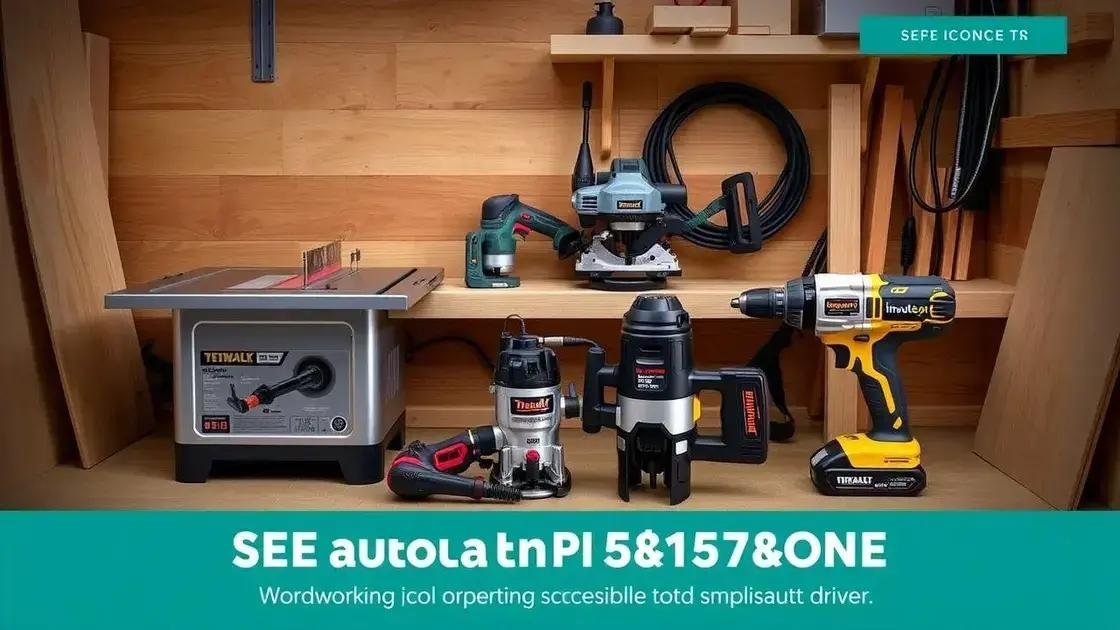
When it comes to woodworking in a small shop, choosing the right power tools is crucial for maximizing efficiency. Here are some top tools that every small shop owner should consider.
Compact Table Saw
A compact table saw is a versatile tool ideal for making precise cuts. Look for one with a sturdy base and a folding stand for easy storage. This tool can help you handle larger sheets of wood without taking up too much space.
Jigsaw
A jigsaw is perfect for making intricate cuts and curves. Its compact size allows for easy maneuverability, and it’s great for smaller projects. With the correct blade, a jigsaw can cut through various materials, offering flexibility.
Oscillating Multi-Tool
The oscillating multi-tool is incredibly handy for sanding, cutting, and scraping in tight spots. It’s a must-have for detail work and can often replace several other tools, saving space.
Portable Router
A portable router is essential for adding decorative edges and making precise cuts in wood. Choose one that comes with various attachments for greater versatility. These routers are compact and easy to store, making them perfect for small workshops.
Impact Driver
An impact driver can help you drive screws with ease, which is crucial for assembly tasks. It’s lightweight and often more powerful than regular drills, allowing you to complete projects quickly.
Dust Collector
Maintaining a clean workspace is essential, especially in a small area. A dust collector will help manage sawdust and debris, ensuring a safe working environment. Look for a compact model that efficiently collects dust without taking up too much space.
Choosing the right power tools designed for small spaces will help you work efficiently and effectively, ensuring your projects turn out just as you envisioned.
How to organize your woodworking shop effectively
Organizing your woodworking shop effectively is key to maintaining productivity and safety. Here are some strategies to create a functional workspace.
Utilize Vertical Space
Installing shelves and cabinets can help you make the most of your vertical space. Wall-mounted pegboards are ideal for hanging tools, making them easy to access and keeping your workbench free of clutter.
Designate Zones
Creating specific zones for different tasks can improve efficiency. Have a dedicated area for cutting, assembling, and finishing. This helps you stay organized and minimizes the time spent moving from one task to another.
Use Storage Solutions
Invest in storage solutions like clear bins, drawers, and tool chests. Label these storage options to quickly find what you need. Keeping similar items together will save you time and effort when working on projects.
Keep Tools Accessible
Place the tools you use most often within easy reach. Use rolling carts for mobility and to transport tools between zones. This will enhance your workflow and reduce the risk of injury from unnecessary bending or stretching.
Maintain a Clean Workspace
Regularly clean your shop to maintain safety and organization. Implement a cleaning schedule that encourages tidiness. A clean workspace can help you stay focused and ready for your next project.
Organizing your woodworking shop doesn’t have to be a daunting task. With these strategies, you can create a functional space that fosters productivity and creativity.
Choosing the right wood for your projects

Choosing the right wood for your projects is essential for achieving the best results. Different types of wood have unique properties that can affect the look and durability of your work.
Softwoods vs. Hardwoods
Softwoods like pine and cedar are easier to work with, making them great for beginners. They’re often more affordable and ideal for furniture and outdoor projects. On the other hand, hardwoods like oak and maple are denser and more durable, making them perfect for high-quality furniture and cabinetry.
Understanding Wood Grain
The grain of the wood affects its appearance and strength. Woods with a straight grain are easier to work with and less likely to warp. Figured woods, like quilted maple, offer unique patterns that enhance visual appeal but can be harder to work with.
Consider the Project’s Purpose
Think about what you are making. For items that will face wear and tear, such as tabletops, choose hard and durable wood. Lighter softwoods may work well for decorative pieces or things that won’t see heavy use.
Environmental Impact
It’s essential to consider the environmental impact of your wood choices. Look for woods that are sustainably sourced or certified by organizations like the Forest Stewardship Council (FSC) to ensure you are making eco-friendly selections.
Finishing Options
Different woods accept finishes differently. Some woods, like cherry, will darken beautifully over time, while others might require staining to get the desired color. Test finishes on scraps to see how they will look on your final project.
Making informed decisions about the wood you choose will greatly enhance your woodworking projects and ensure they stand the test of time.
Safety tips for using woodworking tools
Safety is paramount when working with woodworking tools. Following proper precautions can help prevent accidents and injuries.
Wear Protective Gear
Always wear safety glasses to protect your eyes from dust and debris. A good-quality dust mask or respirator is important to avoid inhaling harmful particles. Additionally, wearing ear protection can safeguard your hearing when using loud power tools.
Keep Your Workspace Clean
A clean workspace helps prevent accidents. Regularly remove sawdust and debris from your work area. This not only improves visibility but also reduces the risk of tripping hazards.
Inspect Tools Before Use
Before using any tool, checks for damages or defects. Ensure blades are sharp and secure, and that electrical tools are free from frays or exposed wires. Regular maintenance is key to keeping tools in safe working order.
Use Tools Correctly
Always follow the manufacturer’s instructions for proper usage. Use tools for their intended purposes only. For instance, avoid using a saw to pry objects apart, as this can lead to slips and injuries.
Practice Good Posture
Maintaining a good stance can prevent strain injuries. Stand with your feet shoulder-width apart and keep your weight centered. Always work at a comfortable height to avoid bending or reaching awkwardly.
Stay Focused
Concentration is essential when using power tools. Always remain alert and avoid distractions. If you feel tired or distracted, take a break before continuing your work.
By following these safety tips, you can enjoy woodworking while minimizing the risk of injury. Prioritize your safety to ensure a rewarding and productive woodworking experience.
Maintaining your tools for longevity
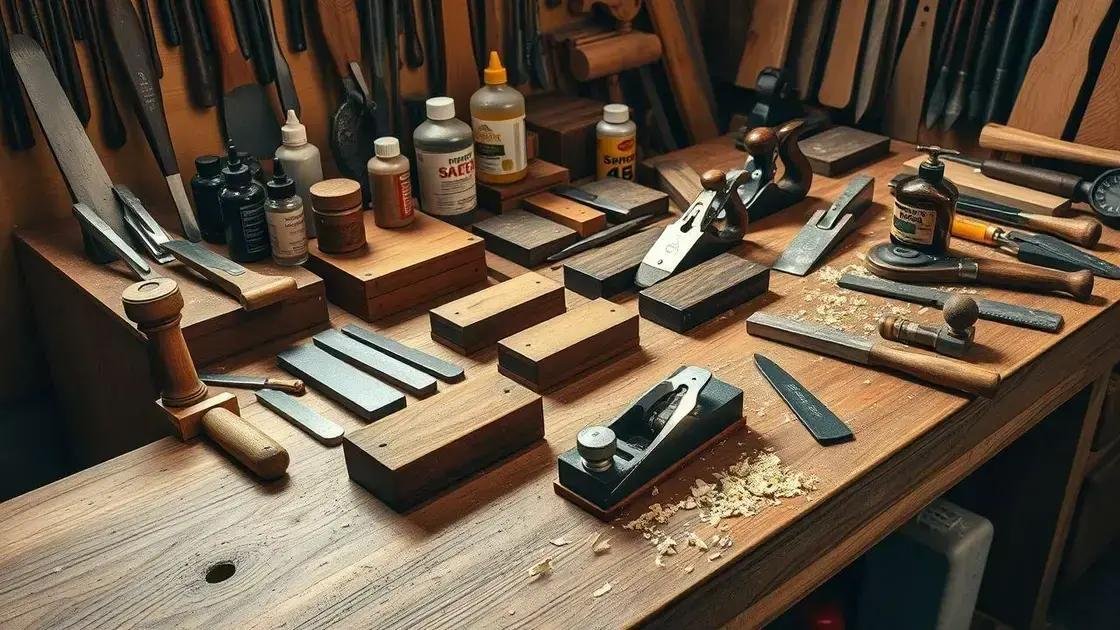
Proper maintenance of your woodworking tools is essential for ensuring longevity and performance. Here are some important tips to keep your tools in top shape.
Regular Cleaning
After each use, take time to clean your tools. Remove sawdust, resin, and other debris from surfaces. Use a brush or compressed air for hard-to-reach areas. For power tools, ensure the vents are clear to prevent overheating.
Sharpen Blades
Keeping blades sharp is crucial for effective cutting. Dull blades require more effort, which can lead to accidents. Regularly sharpen your saw blades and chisels using sharpening stones or jigs to maintain precision in your cuts.
Proper Storage
Store your tools in a dry and clean environment. Use toolboxes, magnetic strips, or pegboards to keep tools organized and prevent damage. Avoid leaving tools exposed to moisture, which can lead to rust.
Check for Wear and Tear
Periodically inspect your tools for any signs of wear and tear. Look for cracks, rust, or loose components. Addressing issues early can save you from costly repairs or replacements in the future.
Lubricate Moving Parts
For tools with moving parts, like drills and saws, apply appropriate lubricants regularly. This helps ensure smooth operation and reduces friction, which can wear out components faster.
Follow Manufacturer Instructions
Always refer to the manufacturer’s instructions for specific maintenance guidelines. Following these recommendations can help you care for your tools effectively and prolong their lifespan.
By incorporating these maintenance practices, you can enjoy reliable performance from your woodworking tools for years to come.
Budget-friendly options for essential woodworking tools
Building a woodworking shop on a budget doesn’t mean sacrificing quality. Here are some budget-friendly options for essential woodworking tools.
Hand Tools
Start with basic hand tools such as a handsaw, chisel set, and a hammer. These tools are often more affordable than power tools and are essential for many woodworking projects. Brands like Stanley and Irwin offer quality tools at reasonable prices.
Quality Power Tools
When it comes to power tools, consider cordless tools that combine multiple functions, like a cordless drill. Look for options from brands like Ryobi or BLACK+DECKER, which provide good reliability without breaking the bank.
Used Tools
Buying used tools can save you a lot of money. Check online marketplaces, pawn shops, and local classifieds for gently used tools. Just make sure to inspect them for damage before purchasing.
DIY Tools
If you’re handy, consider making some of your own tools. For instance, a workbench or simple jigs can be built using inexpensive materials, providing both savings and a personalized touch to your setup.
Shop for Sales
Keep an eye out for seasonal sales at hardware stores. Many retailers offer discounts during holidays or clearance events. Joining loyalty programs can also lead to additional savings.
Renting Tools
If you need a tool for a one-time project, consider renting instead of buying. Many home improvement stores offer tool rentals for a fraction of the purchase price, giving you access to high-quality equipment without the commitment.
By exploring these budget-friendly options, you can equip your woodworking shop without overspending, allowing you to focus on your craft.
Types of woodworking projects you can tackle
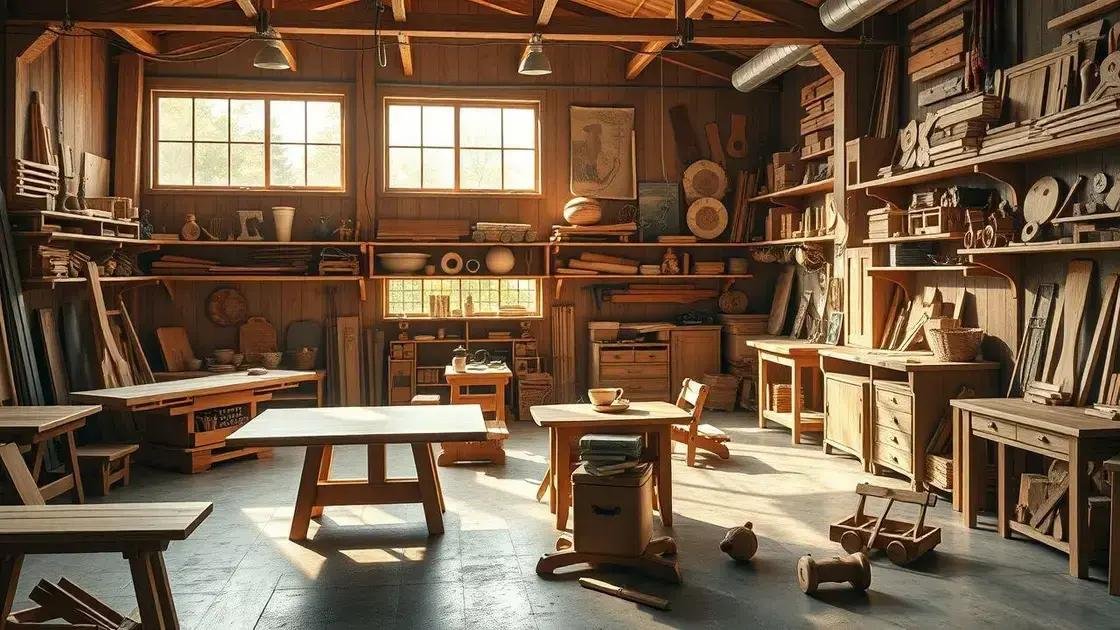
Woodworking is a versatile craft that offers a wide range of projects to suit all skill levels. Here are some types of woodworking projects you can tackle.
Furniture Making
Creating your own furniture is a rewarding challenge. You can start with simple projects such as bookshelves, tables, or benches. As you gain experience, consider building more complex pieces like dressers or dining tables.
Home Decor
Woodworking allows you to create beautiful home decor items. Try crafting picture frames, wall art, or decorative shelves. These projects can add a personal touch to your home and make thoughtful gifts.
Outdoor Projects
Outdoor woodworking projects are perfect for enhancing your backyard. Build items like plant boxes, picnic tables, or birdhouses. These projects are great for enjoying the outdoors and can improve your yard’s appearance.
Toys and Games
Using wood to create toys and games can be a fun project for both kids and adults. Wooden puzzles, toy cars, and game boards are exciting options that can be personalized or made as gifts.
Storage Solutions
Building storage solutions can help keep your home organized. Consider making storage benches, toolboxes, or shelving units. These projects not only enhance your space but also provide practical benefits.
Custom Woodworking
Once you’re comfortable with basic projects, explore custom woodworking. Create unique items like a custom coffee table or a personalized sign. This type of project allows you to combine creativity with practical skills.
With so many woodworking project options available, you can find something that matches your interests and skill level, helping you to grow as a woodworker.
Wrapping Up Your Woodworking Journey
Woodworking is a fulfilling hobby that allows you to create practical and beautiful items. Whether you are building furniture, crafting home decor, or tackling outdoor projects, the possibilities are endless.
By understanding the essential tools, maintaining them properly, and exploring various project types, you can enhance your skills and enjoy the process of woodworking. Start with budget-friendly options and gradually expand your toolkit as you grow more confident in your abilities.
Remember, every woodworking project teaches you something new, so embrace the learning experience and let your creativity shine!
FAQ – Frequently Asked Questions about Woodworking Projects
What are some beginner woodworking projects I can start with?
Beginner projects include making simple furniture like bookshelves, creating home decor items like picture frames, or crafting small outdoor items such as birdhouses.
How can I maintain my woodworking tools?
Regularly clean your tools, check for wear and tear, sharpen blades, and store them properly in a dry and organized workspace.
What essential tools do I need for woodworking?
Basic tools include a handsaw, chisels, a hammer, a drill, and a workbench. As you advance, you can add power tools like a jigsaw or a circular saw.
Are there budget-friendly options for woodworking tools?
Yes, consider buying used tools, shopping for sales, or even making some of your own tools to save money while still getting quality equipment.
What types of wood are best for furniture making?
Hardwoods like oak, maple, and cherry are great for furniture due to their durability and aesthetic appeal, while softer woods like pine are ideal for beginners.
Can I find plans for woodworking projects online?
Absolutely! There are many websites and forums dedicated to woodworking that offer free plans and tutorials for projects at all skill levels.