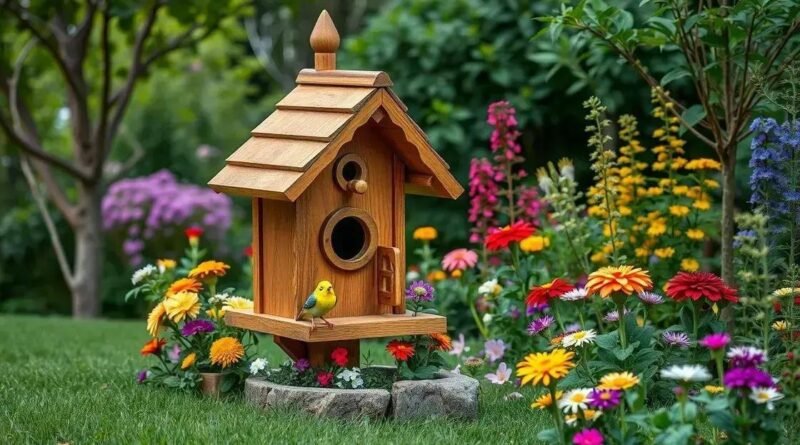
How to build birdhouses with woodworking plans: a complete guide
Building birdhouses involves selecting the right materials, following detailed plans, and maintaining them properly to create a safe and inviting environment for birds.
How to build birdhouses with woodworking plans can seem daunting at first, but it’s easier than you think! Imagine creating a cozy home for birds in your yard; wouldn’t that be fantastic? Let’s explore how you can turn this idea into reality.
Selecting the right wood for your birdhouse
Selecting the right wood for your birdhouse is crucial for ensuring durability and safety. Certain types of wood are better suited for outdoor exposure and can withstand the elements.
Types of Wood to Consider
Cedar and redwood are popular choices because they are both naturally resistant to decay and insects. They can last for many years, making them a wise investment for your birdhouse project.
Pine is another option that is more affordable, but it should be treated to resist moisture and pests. Avoid using pressure-treated wood, as the chemicals can be harmful to birds.
Thickness and Sizing
When selecting wood, consider the thickness. A minimum thickness of 3/4 inches will provide better insulation and sturdiness. Make sure the dimensions of your birdhouse align with the needs of the type of birds you wish to attract.
Finishing the Wood
It is advisable to avoid paints and stains that can release harmful fumes. Instead, leave the wood natural or use a clear, non-toxic sealer to protect it from weather damage while keeping it safe for the birds.
Essential tools for building birdhouses
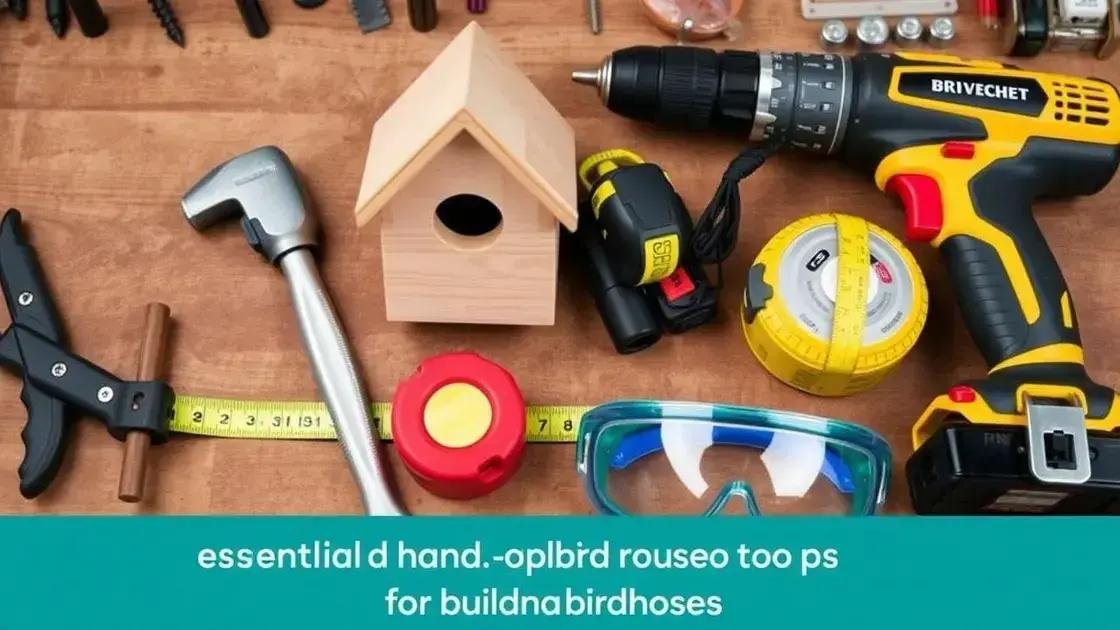
Having the right tools is essential for building birdhouses successfully. This not only simplifies the process but also ensures that your birdhouse is durable and well-constructed.
Basic Hand Tools
Every woodworker should start with some basic hand tools. A hammer and a screwdriver are crucial for assembling parts. Additionally, a hand saw is necessary for cutting your wood to size.
Measuring Tools
Accurate measurements are vital. A tape measure and a square will help you ensure that all parts fit together properly. A level is also useful to make sure your birdhouse is balanced.
Power Tools
If you want to speed up the process, consider using power tools. A power drill can make creating holes for screws easier and faster. A jigsaw allows you to cut complex shapes, which can be useful for your birdhouse design.
Safety Equipment
Safety should always come first. Wear safety goggles to protect your eyes from sawdust and debris. Also, use ear protection when using loud power tools.
Basic woodworking techniques for beginners
Basic woodworking techniques are essential for beginners aiming to build birdhouses. Understanding these methods will improve your skills and make your projects more enjoyable.
Measuring and Marking
Before making any cuts, take the time to measure and mark your wood accurately. Use a tape measure and a square to ensure precise measurements. Mark your cuts clearly, allowing for a clean and accurate cutting process.
Cutting Techniques
There are several cutting methods to master. A hand saw is great for straight cuts, while a jigsaw allows for curves and intricate shapes. Always follow safety protocols by wearing safety goggles when cutting.
Joinery Methods
Learn basic joinery techniques such as screwing, nailing, and gluing. Each method has its uses, but using screws often provides a stronger hold than nails and is easier to remove if needed.
Sanding for a Smooth Finish
After assembling your birdhouse, use sanding paper to smooth edges and surfaces. This not only gives your birdhouse a cleaner look but also ensures it’s safe for birds by removing any sharp edges.
Painting and Sealing
If you decide to paint or seal your birdhouse, choose non-toxic products. Apply them carefully and ensure they dry completely before placing the birdhouse outdoors.
Choosing the best birdhouse design
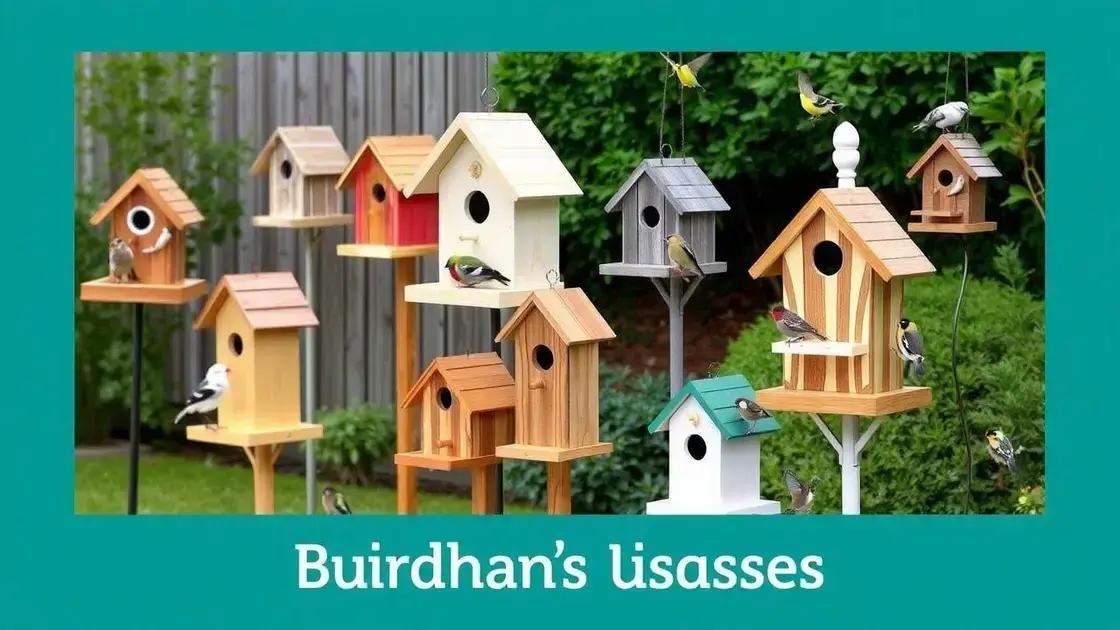
Choosing the best birdhouse design is essential for attracting birds while ensuring their safety and comfort. Several factors come into play when selecting a design suitable for your backyard.
Consider the Target Birds
Start by identifying the species of birds you want to attract. Different birds have varying needs when it comes to housing. For example, bluebirds prefer open nesting areas, while chickadees appreciate small entrance holes for protection.
Size and Dimensions
Once you know which birds you want to attract, consider the size. Each species requires specific internal dimensions. Generally, the internal height should be at least 6-8 inches, and the floor space should be around 4×4 inches for smaller birds.
Ventilation and Drainage
Ensure your design includes proper ventilation and drainage. Small holes at the top and drainage holes at the bottom are essential to maintain a healthy environment, preventing overheating and water accumulation.
Entrance Hole Size
The size of the entrance hole is critical. It should be large enough for the target birds to enter but small enough to keep out predators. For example, a 1 1/2-inch hole works well for bluebirds, while chickadees require a smaller opening.
Material Choices
Choosing materials is also important. Cedar and untreated wood are great options for lasting durability. Avoid using painted or treated wood, as these can release harmful chemicals.
Step-by-step guide to building a birdhouse
Building a birdhouse can be a fun and rewarding project. Follow this step-by-step guide to create a safe and inviting home for your feathered friends.
Step 1: Gather Materials
For this project, you will need wood (cedar or plywood), nails or screws, a hammer or drill, sandpaper, and a non-toxic sealant. Make sure to measure and cut your wood pieces before starting.
Step 2: Create the Pieces
Cut the wood into the following pieces: one base (6×6 inches), two side walls (6×8 inches), a back wall (6×10 inches), a front wall (6×8 inches with a hole), and a roof (two pieces, 7×7 inches).
Step 3: Make the Entrance Hole
For the front wall, drill a hole approximately 1 1/2 inches in diameter about 6 inches from the base. This size is perfect for smaller birds like chickadees and wrens.
Step 4: Assemble the Walls
Start by attaching the back wall to the base using nails or screws. Next, attach the side walls and then the front wall. Make sure everything is square and tight.
Step 5: Attach the Roof
Place the two roof pieces angled to create a peak. Secure them with nails or screws, ensuring they overlap slightly to keep rain out.
Step 6: Sand and Finish
Use sandpaper to smooth all edges and surfaces. This step is important for making the birdhouse safe for birds. Finally, apply a non-toxic sealant to protect the wood from moisture.
Step 7: Add Ventilation and Drainage
Drill small holes near the roof for ventilation and at the bottom for drainage. This keeps the interior comfortable for birds.
Step 8: Hang or Place Your Birdhouse
Choose a suitable location to hang or place the birdhouse. Ensure it’s sheltered from direct sunlight and predators, and enjoy watching the birds come and go!
Finishing touches: paint and decor
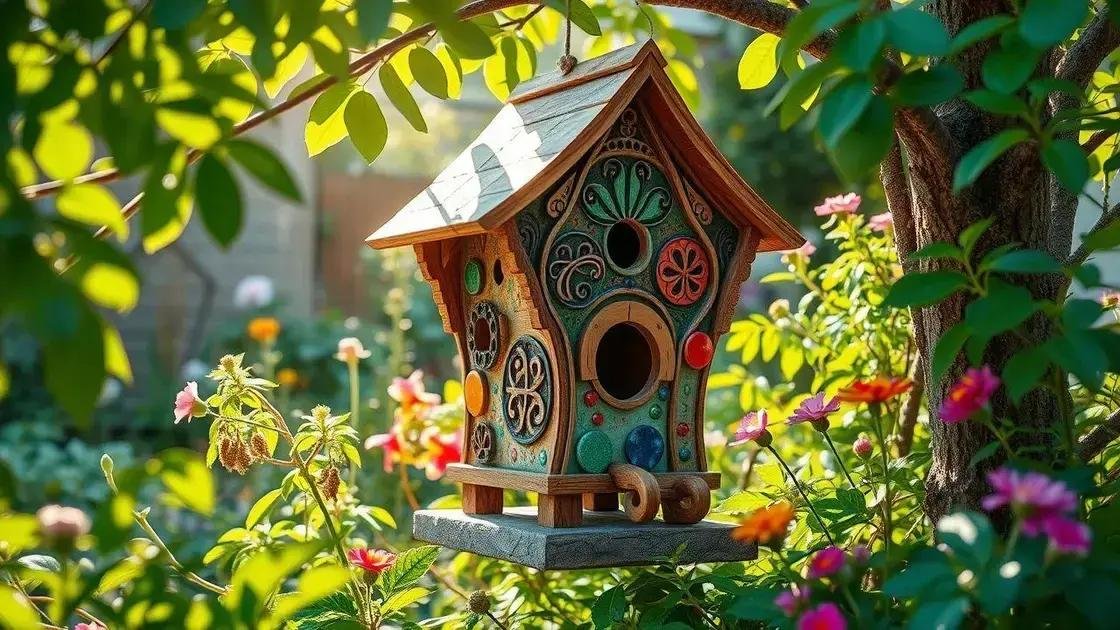
Adding finishing touches like paint and decor to your birdhouse not only enhances its appearance but also helps protect it from the elements. Here’s how to make your birdhouse look great while ensuring it’s safe for birds.
Choosing the Right Paint
Select non-toxic, water-based paints or stains that are safe for outdoor use. Avoid bright colors, as they can scare birds away. Instead, opt for earthy tones that blend into the natural surroundings.
Applying Paint
Before painting, make sure the birdhouse is completely dry and sanded smooth. Apply the paint with a brush or use a spray can for even coverage. Allow the paint to dry thoroughly before adding any decorations.
Sealing for Protection
Once the paint is dry, apply a non-toxic sealer to protect the wood from moisture. This will help extend the life of your birdhouse, keeping it safe and dry inside.
Adding Decorative Elements
You can personalize your birdhouse by adding decorative elements like stickers, small tiles, or natural embellishments such as twigs and leaves. Just ensure that these decorations do not obstruct the entrance or ventilation holes.
Creating a Functional Display
Consider adding hanging hooks or brackets if you wish to display your birdhouse. This not only makes it visually appealing but also ensures it is secure and well-positioned for birds to access.
Placement Considerations
Once decorated, place your birdhouse in an appropriate location, sheltered from harsh weather. Ideally, it should be mounted on a pole or tree branch, away from predators and facing away from direct sunlight.
Tips for attracting birds to your birdhouse
Attracting birds to your birdhouse requires a few simple yet effective strategies. By creating a welcoming environment, you can increase the chances of birds making your birdhouse their home.
Choose the Right Location
Place your birdhouse in a quiet spot, away from heavy foot traffic. Ideally, it should be near shrubs or trees, providing birds with shelter and safety from predators.
Provide Food Sources
Consider adding bird feeders nearby with seeds or suet to attract birds. Common foods like sunflower seeds or birdseed mixes can help draw them closer to your birdhouse.
Ensure Safety and Shelter
Birdhouses need to be in areas that offer protection from harsh weather. Avoid placing them in direct sunlight or strong winds. A little cover from overhanging branches or nearby foliage can help keep the birdhouse safe.
Keep it Clean
Regularly clean out the birdhouse after the breeding season to remove old nesting materials. This encourages birds to return for future nesting. Ensure that no mites or parasites are present to create a safe environment.
Use Suitable Birdhouse Features
Install features like drainage holes and ventilation slots. These will not only keep the birdhouse dry but also regulate temperature inside, making it more appealing to birds.
Be Patient
It may take some time for birds to discover and trust your birdhouse. Keep observing the area, and be patient while nature takes her course. Avoid disturbing the birds once they begin to settle in.
Maintenance and care for your birdhouses
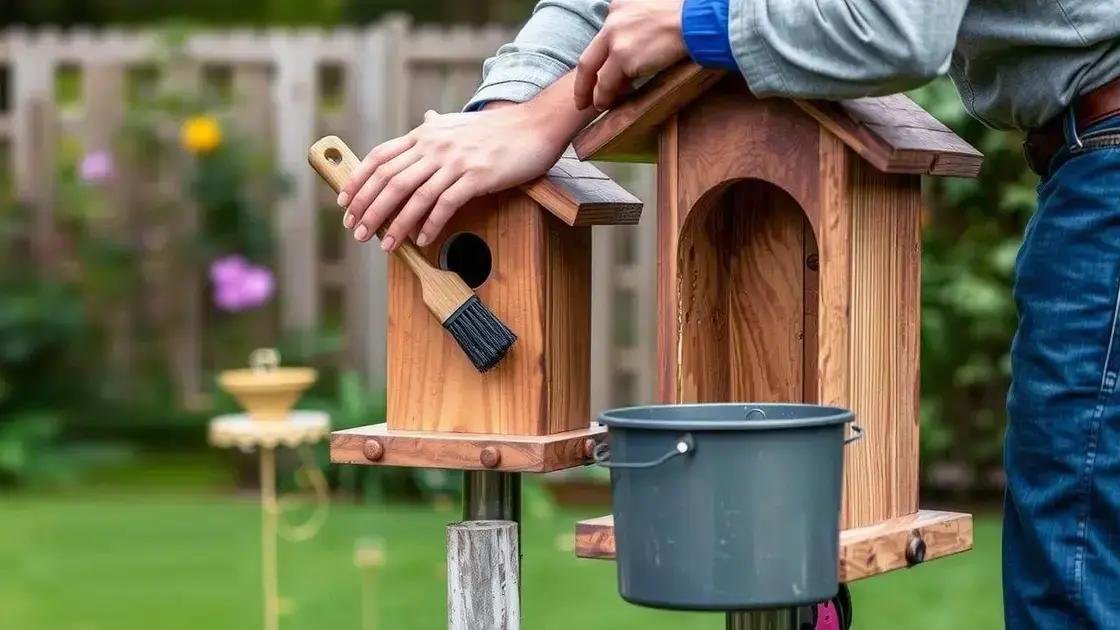
Regular maintenance and care for your birdhouses are essential to ensure they remain safe and inviting for birds. This process not only helps extend the life of the birdhouse but also promotes bird health.
Cleaning After the Breeding Season
After the nesting season, remove old nesting materials from the birdhouse. This prevents the buildup of parasites and diseases. Use a small brush or vacuum to clean the interior and ensure it is free from dirt and debris.
Inspect for Damage
Regularly check the birdhouse for signs of wear and tear. Look for cracks, holes, or loose screws that could compromise the structure. Make necessary repairs promptly to ensure the birdhouse remains secure.
Check Ventilation and Drainage
Ensure that the ventilation holes are clear and that the drainage holes at the bottom are not blocked. This will help regulate temperature and moisture levels inside the birdhouse.
Repaint or Reseal if Needed
If the paint begins to chip or the sealer wears off, consider repainting or resealing the birdhouse. Use only non-toxic products to ensure the safety of the birds. A fresh coat can also help protect the wood from the elements.
Keep the Area Surrounding the Birdhouse Clean
Maintain the area around the birdhouse by removing debris and vegetation that could attract predators. A clear area helps create a safe environment for the birds.
Monitor Bird Activity
Observe the birdhouse throughout the seasons. If you notice that birds are not returning, it may be time to reassess the location or condition of the birdhouse. Regular monitoring can provide clues on how to improve its appeal.
In conclusion
Building and maintaining birdhouses is a rewarding activity that not only enhances your garden but also provides a safe home for local birds. By following the right techniques and tips, you can create inviting birdhouses that attract various species.
Regular maintenance is crucial to ensure these houses remain safe and functional for their feathered visitors. Clean them out after the nesting season, check for damages, and make necessary repairs.
With patience and care, you can enjoy watching birds thrive in your backyard, adding beauty and life to your outdoor space. Remember, your efforts contribute to the well-being of our feathered friends and the environment.
FAQ – Frequently Asked Questions about Building and Maintaining Birdhouses
What is the best wood to use for birdhouses?
Cedar and untreated pine are excellent choices for building birdhouses because they are durable and weather-resistant.
How often should I clean out my birdhouse?
It is best to clean out the birdhouse after the breeding season, usually once a year, to prevent the buildup of parasites and old nesting materials.
What can I do to attract more birds to my birdhouse?
Place your birdhouse in a quiet area, provide nearby food sources, and ensure it has the right size and features for the target bird species.
How can I protect my birdhouse from predators?
Keep the birdhouse away from areas where predators can easily reach. Position it at least five feet off the ground and use a sturdy pole or tree as a mounting point.
Is it necessary to paint or decorate my birdhouse?
While not necessary, adding non-toxic paint or decor can make your birdhouse more appealing. Just ensure it doesn’t affect the safety of the birds inside.
What maintenance should I perform on my birdhouse?
Regularly check for damages, clean it out annually, and ensure proper ventilation and drainage holes are clear to keep it functional and safe.